Marketers & Business Owners

A strong brand does not happen by accident. It is built through deliberate choices, clear direction, and consistent execution over time. While relying on “marketing instincts” can get you decently far at the early stages, having a structured brand strategy template can set you up for growth in the long run.
As businesses scale, every message, design choice, and customer interaction starts to compound. Without a clear reference point, even well-intentioned marketing efforts can pull the company in different directions and miscommunicate what the brand stands for.
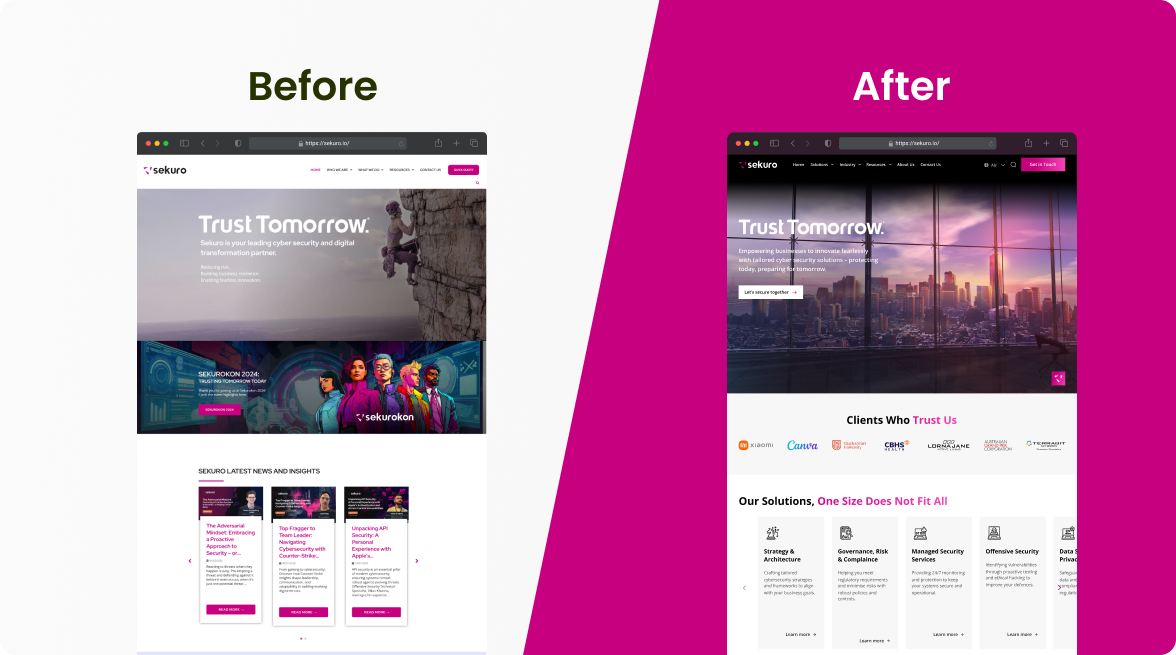
We saw this clearly in projects like Tento, a Japanese restaurant in Sydney’s Surry Hills. Before working with Mindesigns, Tento had a strong creative vision inspired by 1990s Japan, but their self-managed website struggled to translate that identity into a cohesive, user-friendly experience that also supported discoverability and bookings.
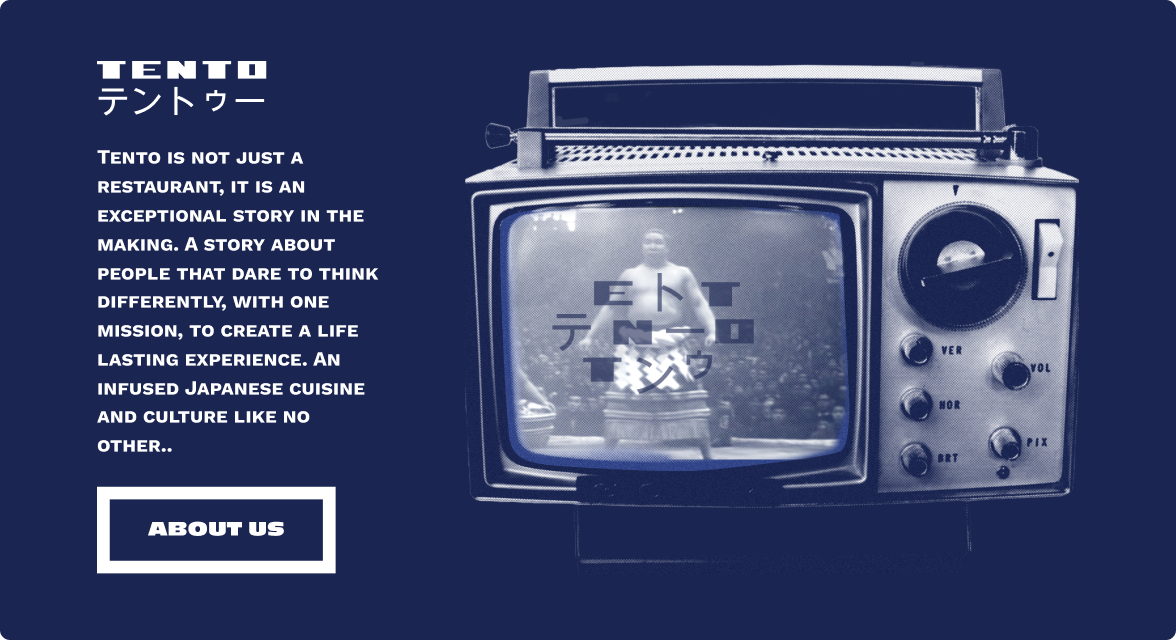
After aligning their branding with UX, design, and SEO from the outset, the website evolved into a clear expression of their identity that balanced cultural authenticity with contemporary usability, making it easier for customers to find, navigate, and engage with the brand.
This guide breaks down what a brand strategy template includes, what a brand strategy actually is, why it matters for long-term growth, and how businesses can use it as a practical foundation rather than a theoretical document.
What Is a Brand Strategy?
A brand strategy is the strategic blueprint that shapes how your business is understood by both your customers and your internal teams. It provides a clear, documented framework that guides how your brand communicates, presents itself visually, and positions itself in the market.
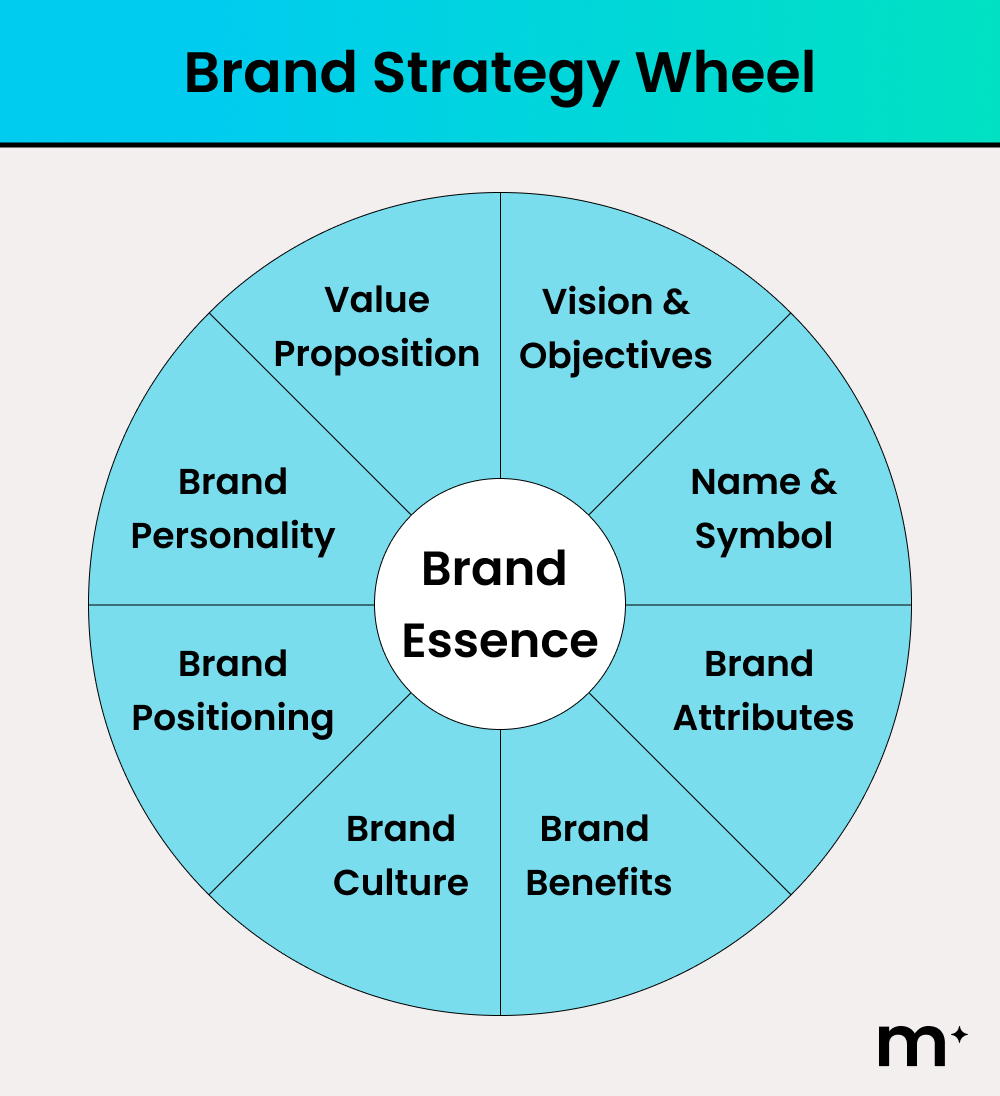
At its core, a strong brand strategy answers three essential questions:
- Who is your brand?
- Who is your brand for?
- What is the brand’s purpose?
A brand strategy template documents the strategic thinking behind a brand and serves as a reference for marketing, design, and operational decisions as the business grows.
Without a documented brand strategy, decisions are often made in isolation, which can make your messaging incoherent. Since there are now overarching guidelines on how you present your brand to the world, your website messaging might follow a different logic from what salespeople are saying to the client. It could also result in design and branding choices that drift away from the brand you meant to build.
What Should Be in Your Brand Strategy Template?
A strong brand strategy template starts by defining the foundation of your brand. These elements guide every decision that follows.
1. Brand Purpose, Vision, and Values
This section defines the foundation of your brand. Your purpose explains why the business exists beyond profit. It gives meaning to the work and sets out a clear reason for being. Your vision describes where the business is going over the long term so that it gives your team direction and understand what they are working toward. Your values guide behaviour, decision-making, and company culture.
Strong brands ensure these principles are lived, not just stated. One such brand is Patagonia. Patagonia’s purpose is rooted in protecting the environment. Its values show up in product design, supply chain choices, and even public activism. Repair programs, recycled materials, and transparent pricing all reinforce the same foundation. The brand feels credible because its actions consistently reflect its stated beliefs.
2. Target Audience and Customer Personas
This section defines who the brand is for and who it is not for. It documents the specific audience the business is built to serve. This includes demographics such as location, age, and buying context. Rather than trying to appeal to everyone, the brand speaks directly to the people most likely to care. This focus builds trust faster than broad claims.
For example, two snack brands offering similar products can have wildly different target audiences. Take BC Snacks vs Carman’s as an example.
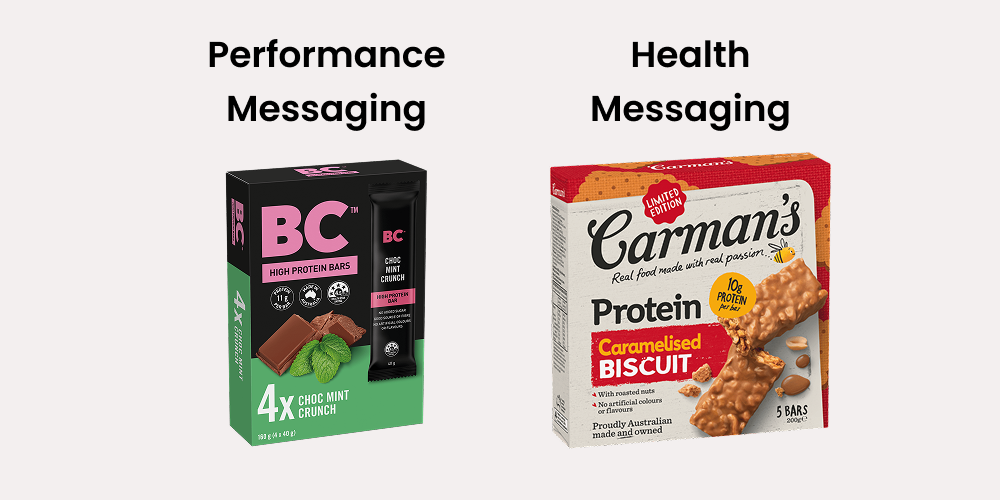
BC Snacks’ protein bars target performance-driven consumers who actively track macros, training load, and cost per gram of protein. Since purchasing decisions here are rational and comparison-based, the branding is functional, with packaging prioritising numbers and ingredients.
Meanwhile, Carman’s protein bars target health-conscious adults who value balance and natural ingredients. They care about quality, restraint, and everyday wellness. Protein is positioned as part of a balanced lifestyle rather than a performance tool.
3. Brand Positioning and Competitive Landscape
Brand positioning defines how your brand fits within the market. It shapes how customers understand you relative to available alternatives. This clarity influences pricing, messaging, and expectations at every touchpoint.
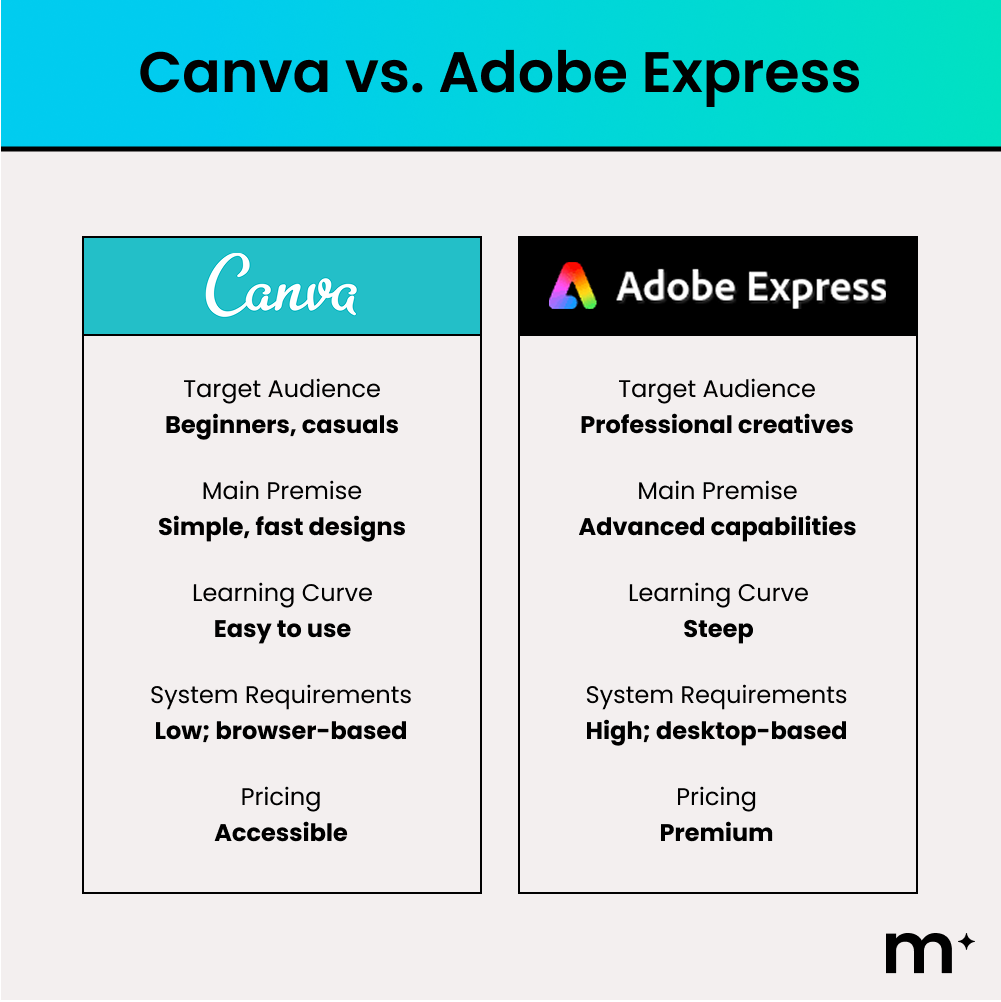
A clear positioning statement answers a simple question. Why should a customer choose you instead of someone else. For example, Canva did not try to outcompete Adobe on depth or professional complexity. Instead, it positioned itself around accessibility and ease of use, making design approachable for non-designers. That distinction reshaped its audience, pricing expectations, and growth trajectory without needing to be “better” in the traditional sense.
A useful principle comes from Building a StoryBrand. The framework positions the customer as the hero. The brand takes the role of the guide. The guide brings expertise, empathy, and a clear plan. This structure reframes messaging around customer needs rather than brand ego.
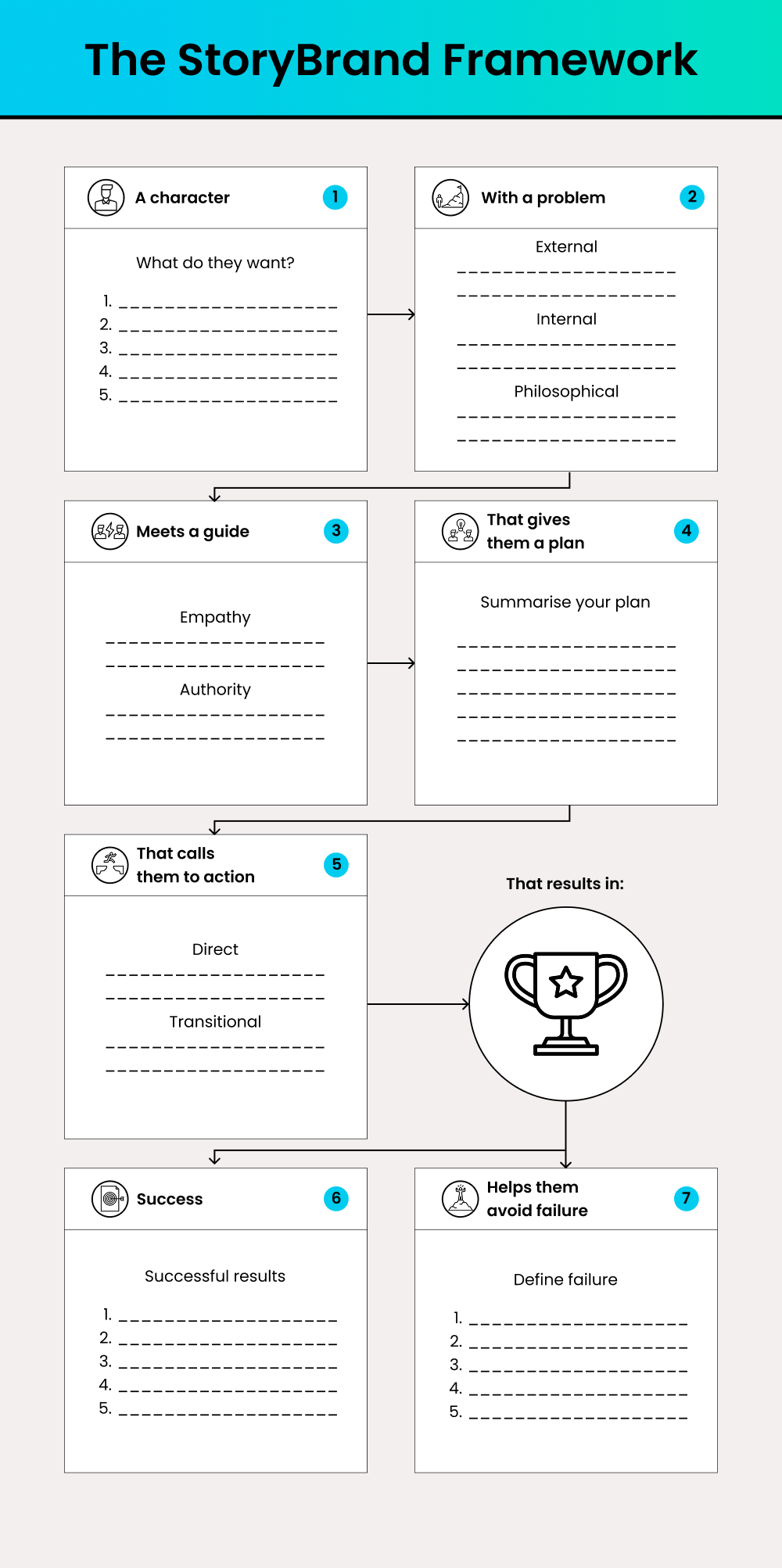
When brands adopt this approach, communication becomes easier to understand. Messaging feels more empathetic. Value is expressed through outcomes rather than features. This shift alone can significantly improve how a brand connects, differentiates, and earns trust.
4. Brand Messaging and Value Proposition
This section defines how your brand communicates and what it promises to deliver. A strong value proposition explains the primary benefit you offer and why it matters to your audience.
Strong messaging must align with positioning. For example, a brand positioned around accessibility, like IKEA, should sound clear and welcoming. Its messaging is built almost entirely around accessibility. Packaging uses diagrams instead of copy. Product names are simple and functional. The website prioritises clarity, guidance, and ease of decision-making. The brand never tries to sound exclusive. It focuses on being useful.
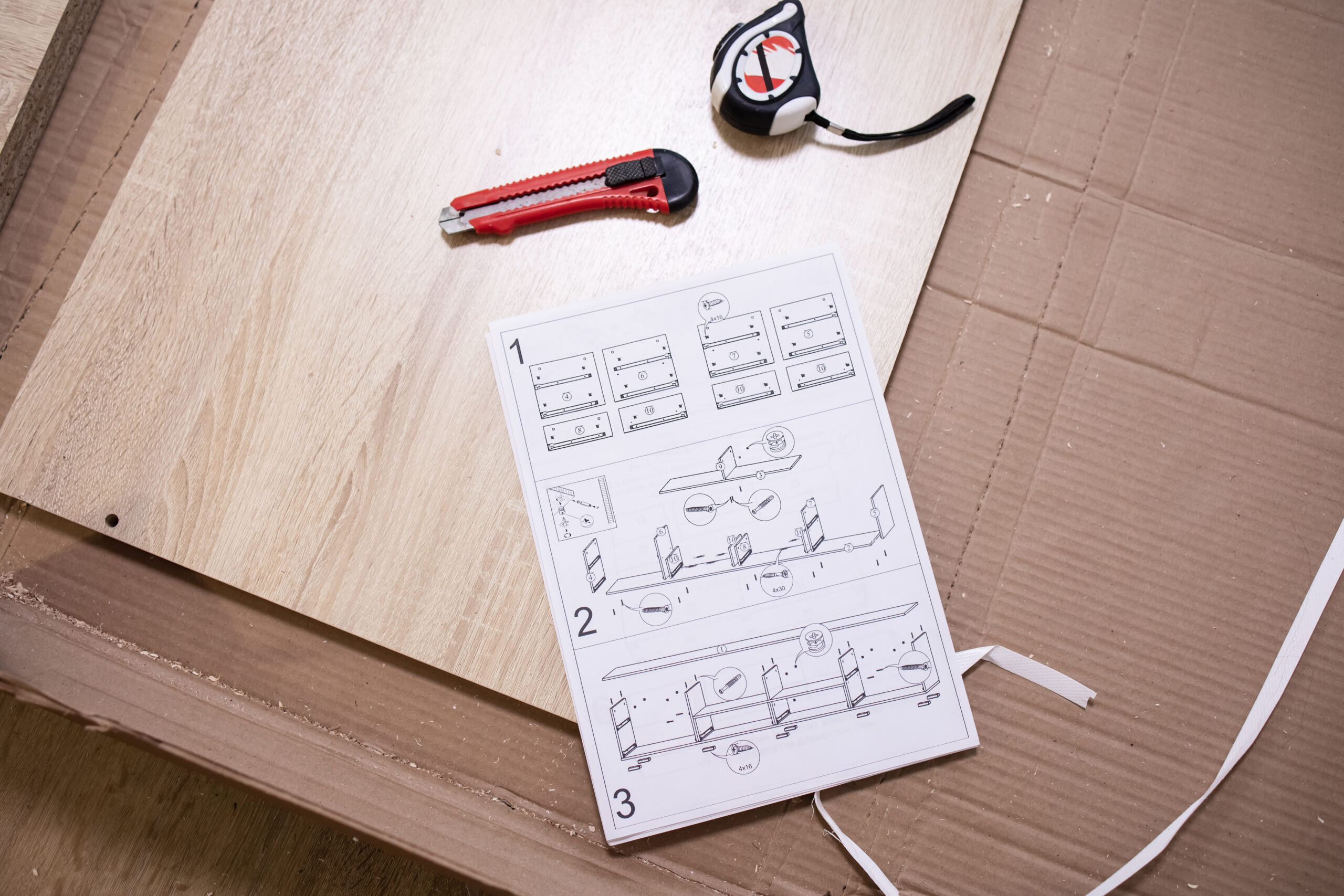
Messaging frameworks create consistency at scale. Websites, social media, proposals, and campaigns all draw from the same source. The brand sounds like one voice across every channel. This consistency strengthens recognition and prevents confusion as teams and touchpoints grow.
5. Visual Identity Foundations
Visual identity brings the brand strategy to life. It should be guided by intent rather than trends. This section defines the visual personality of the brand. It explains the rationale behind colour, typography, and layout choices. It also sets clear principles for logo usage so the brand remains recognisable and coherent across contexts.
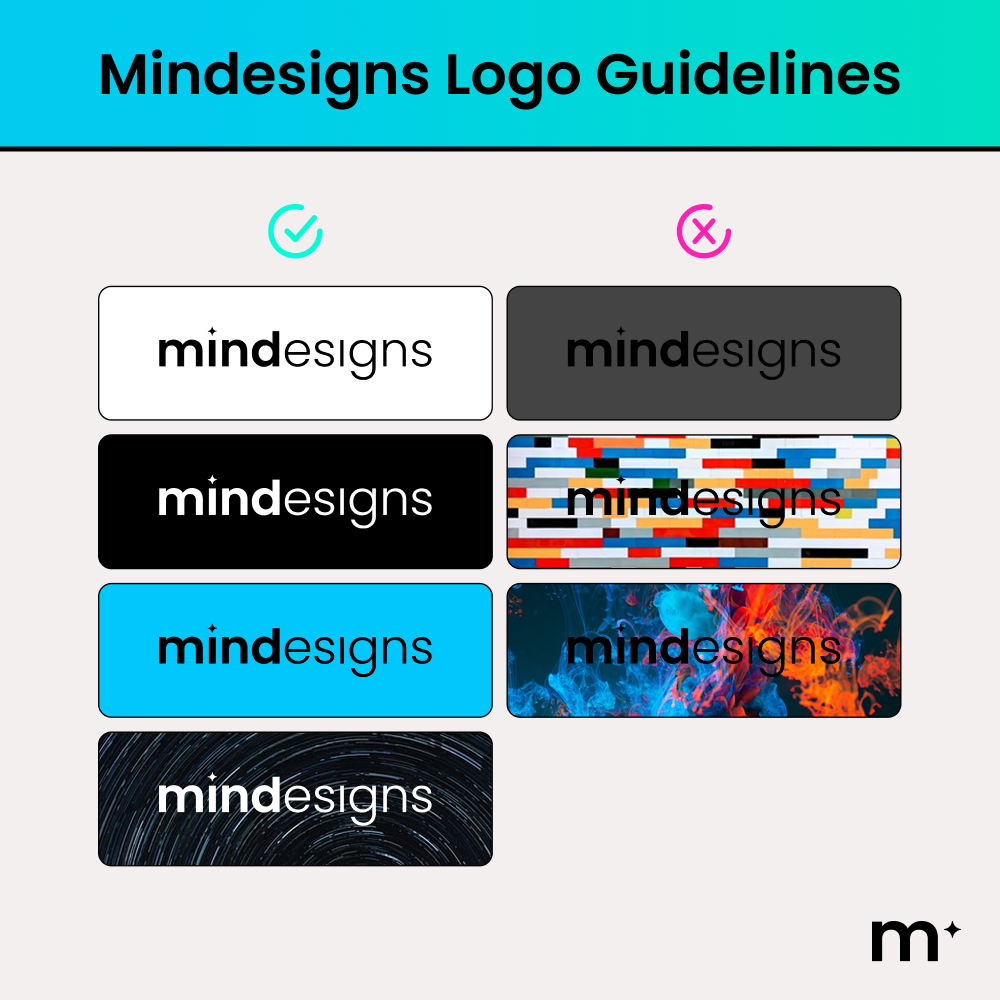
Rather than prescribing exact designs, a brand strategy template explains why certain visual approaches are appropriate. Visual decisions are linked back to positioning and audience expectations. This gives designers a clear framework to work within. It also allows flexibility as the brand evolves without losing its core identity.
How to Create Your Brand Strategy
The brand strategy process works best when approached in stages. Each step builds on the last, from defining purpose and audience to clarifying positioning and communication. When these elements are aligned, the brand becomes easier to manage, easier to scale, and easier for customers to understand.
Clarify Your Business Context and Goals
Start by simplifying the picture. Document what your business does today in clear, practical language. Define who you serve by narrowing your audience through industry, location, or shared values.
Next, frame the brand around guidance rather than self-promotion. Describe how your business helps customers make progress instead of positioning the brand as the hero. Focus on the problems you are best equipped to solve and the direction you want to move in over the long term.
Finally, translate direction into measurable outcomes. Define what success looks like over the next 12 to 36 months in realistic terms, like fully rolling out a rebrand across all customer touchpoints within 12 months or increasing unaided brand recall by a defined percentage through clearer and more consistent messaging.
Research and Define Your Target Audience
Define your audience with precision. Document ideal customer profiles by industry, location, and business size. Capture challenges, goals, and values that influence buying decisions.
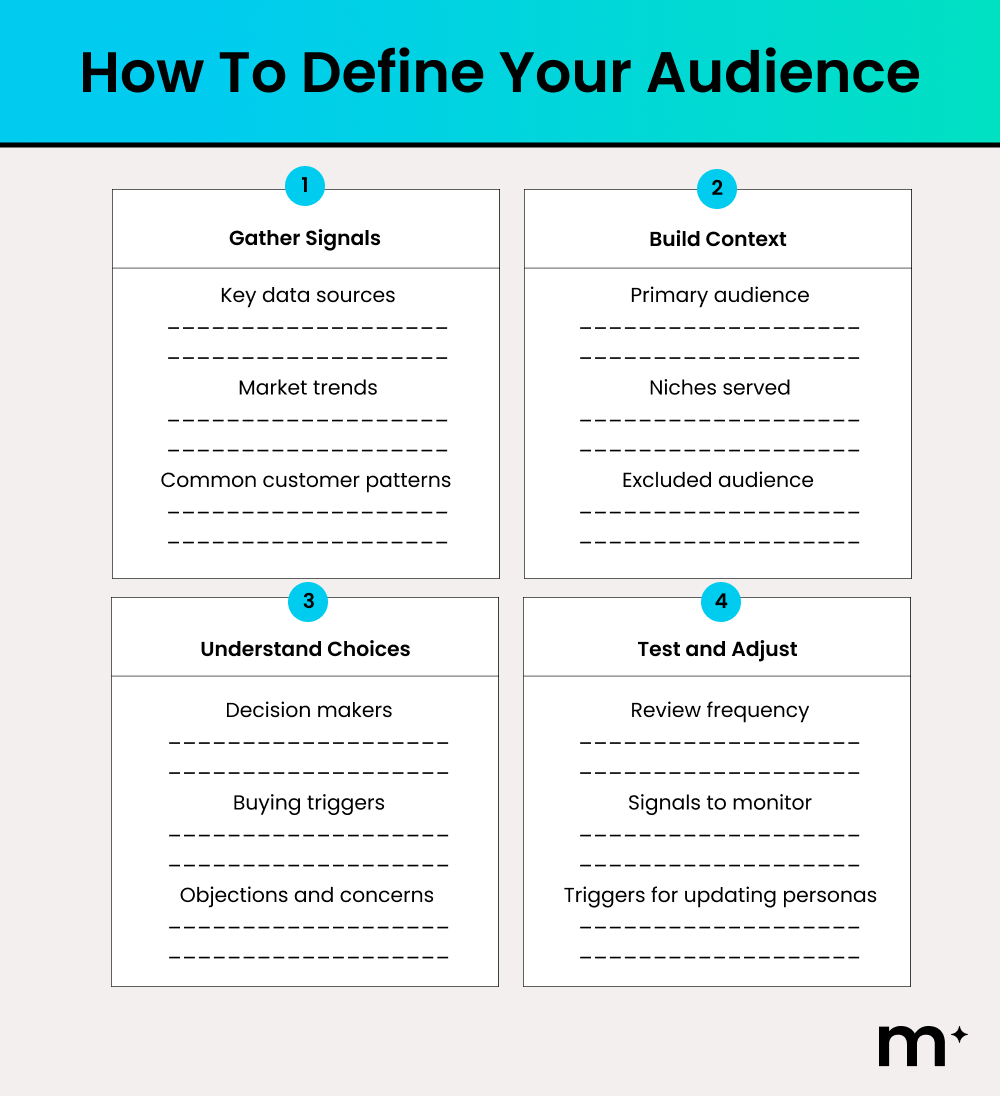
It is important to not make assumptions. You can get customer insights from the following:
- Review CRM records to identify your most profitable and longest-tenured accounts.
- Analyse sales call notes, proposals, and objections to uncover decision triggers and buying criteria.
- Interview existing customers to understand why they chose you and what nearly stopped them.
- Review churned accounts to identify misalignment or unmet expectations.
Apart from defining who your ideal customers are, you should also explicitly exclude audiences that are not a priority to maintain focus.
Understand Your Competitors and Define Your Positioning
Use this section to build a clear view of the competitive landscape and your place within it.
- Identify competitors and alternatives. List your direct competitors along with any alternatives customers might consider instead of you.
- Review how they position themselves. Examine their language, pricing signals, and value claims.
- Assess overlap and sameness. Note where competitors sound interchangeable or rely on vague, overused claims.
- Define your point of difference. Clarify what you do better, differently, or more clearly than others.
This approach reduces noise, sharpens positioning, and creates space for authentic, defensible differentiation.
Create Clear Messaging and Visual Direction
Start by defining a clear value proposition. This should be a single sentence that explains the primary benefit your brand delivers and why it matters to your audience. It becomes the anchor for all communication.
Next, build a supporting structure around that promise. Define three to five messaging pillars that reinforce the value proposition from different angles. At Mindesigns, we defined our pillars like so:
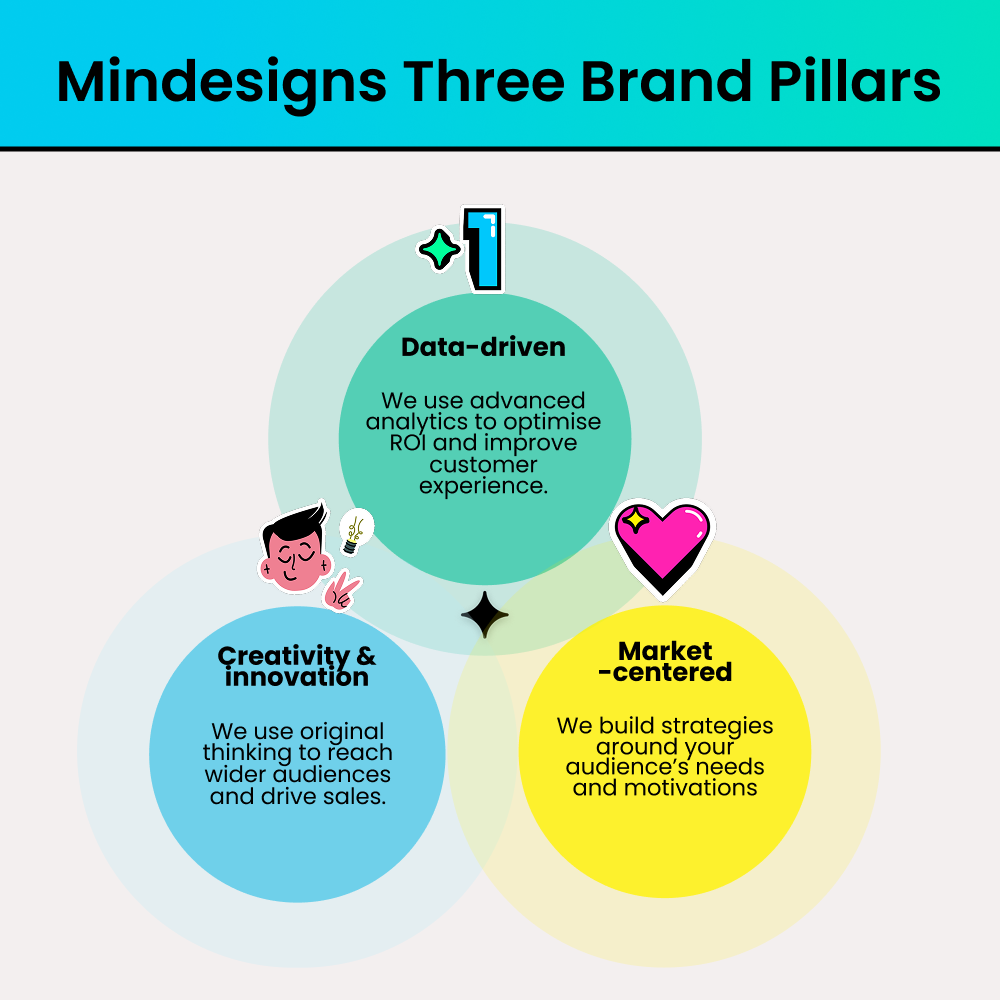
Finally, set high-level visual direction. Describe the type of visual language that best supports your positioning, such as clean versus bold or minimal versus expressive. These choices provide guidance rather than rigid rules. Together, these elements form a clear reference point for all future marketing and design decisions.
Putting Your Brand Strategy Into Action
A brand strategy creates value when it is applied consistently over time. Clear decisions only matter if they guide real work across teams and channels.
At Mindesigns, we connect brand strategy with execution. We use a digital marketing strategy template that links brand thinking to how a business shows up online and grows. For businesses looking for support beyond planning, we help bridge the gap between strategy and execution. We build brand strategies that are market-ready, adaptable, and designed to support long term growth rather than short-term visual change. If you want clarity that translates into action, contact us to start the conversation.