Marketers & Business Owners
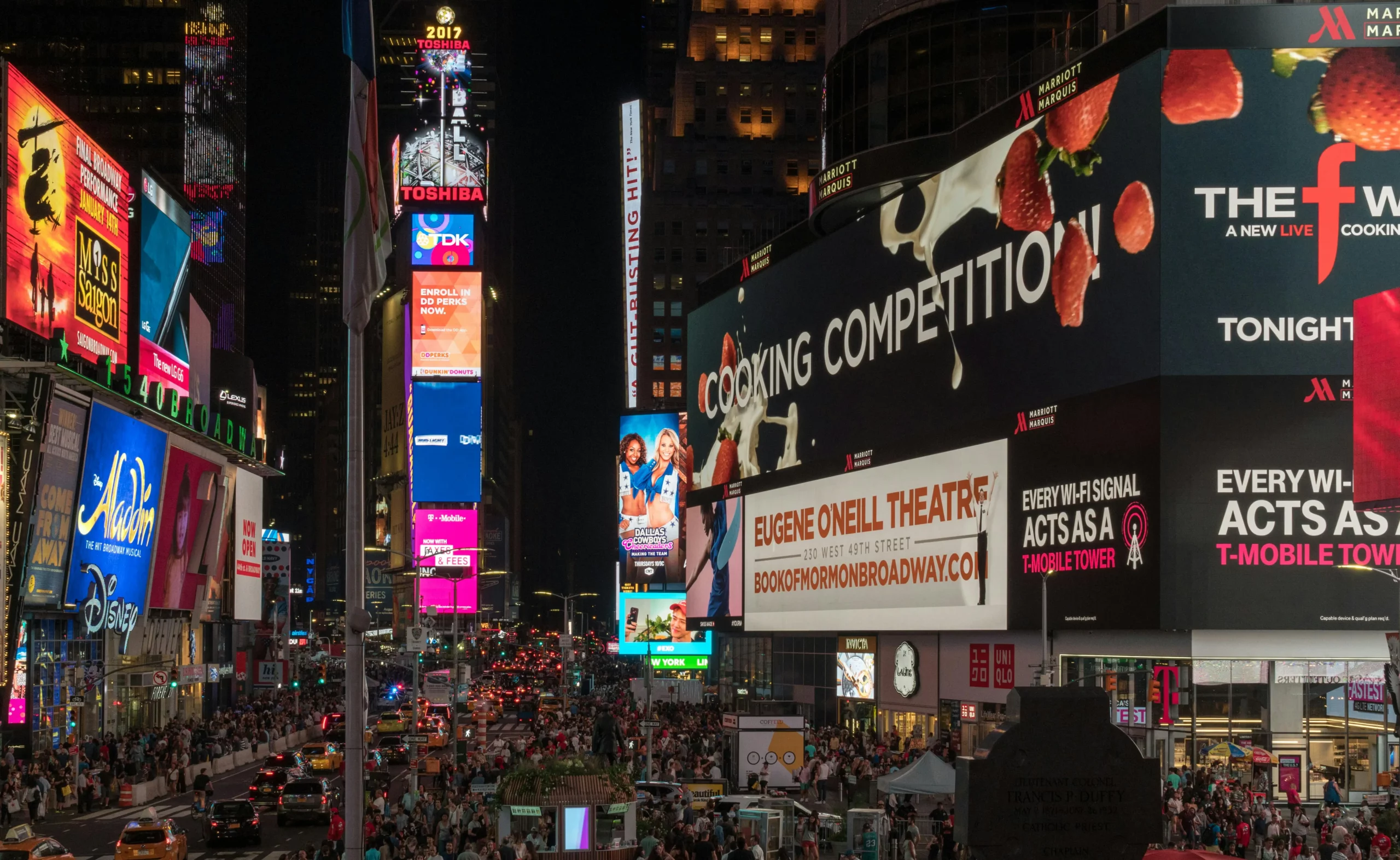
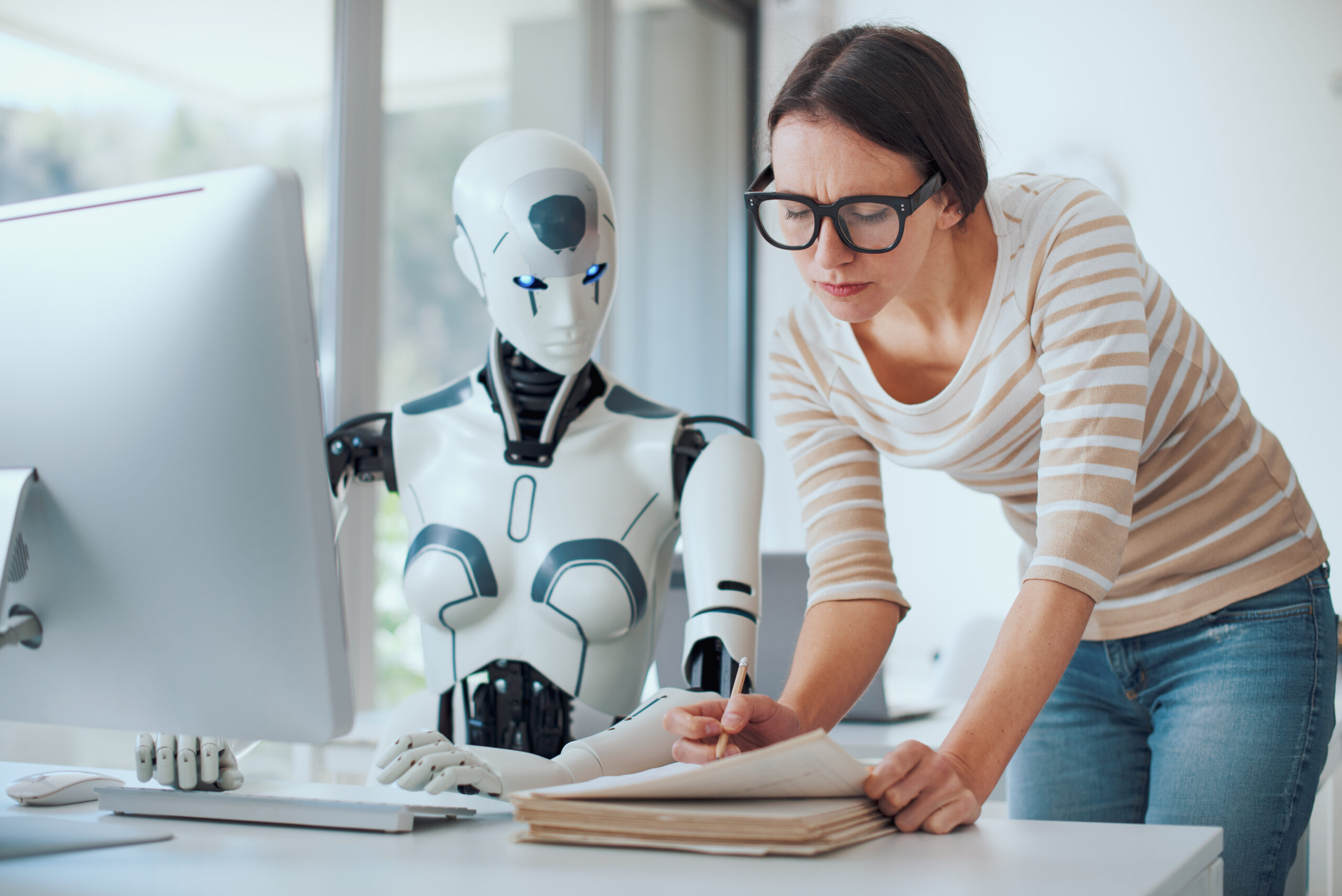
It’s no secret that the marketing world is moving fast, but right now, we’re standing at the edge of a major shift. AI is actively rewriting the rules of how we do our jobs, how businesses reach customers, and how creative strategies are executed.
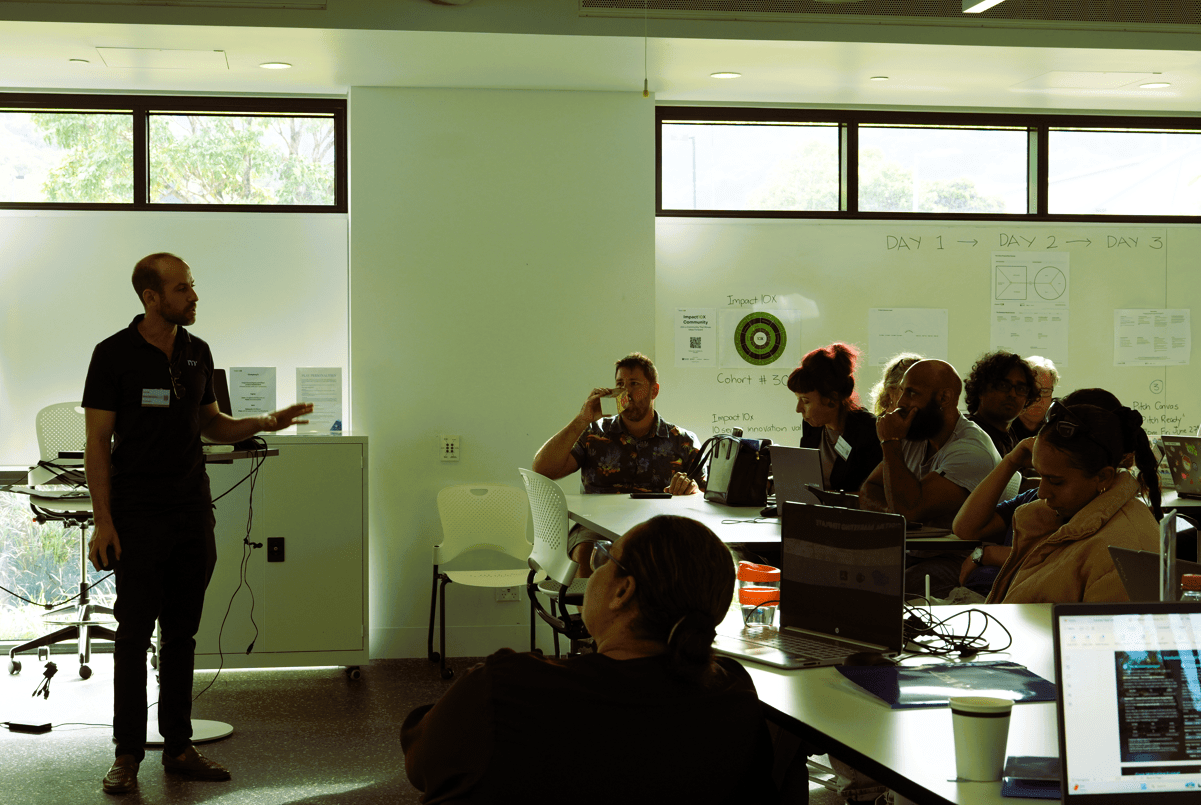
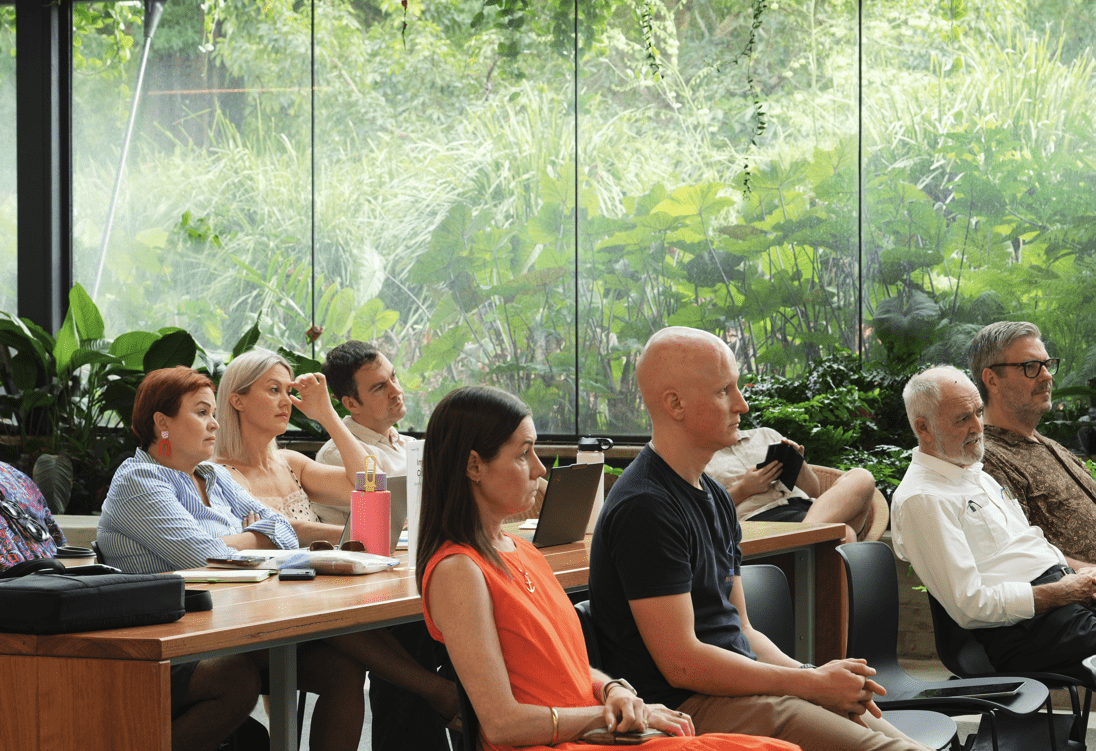
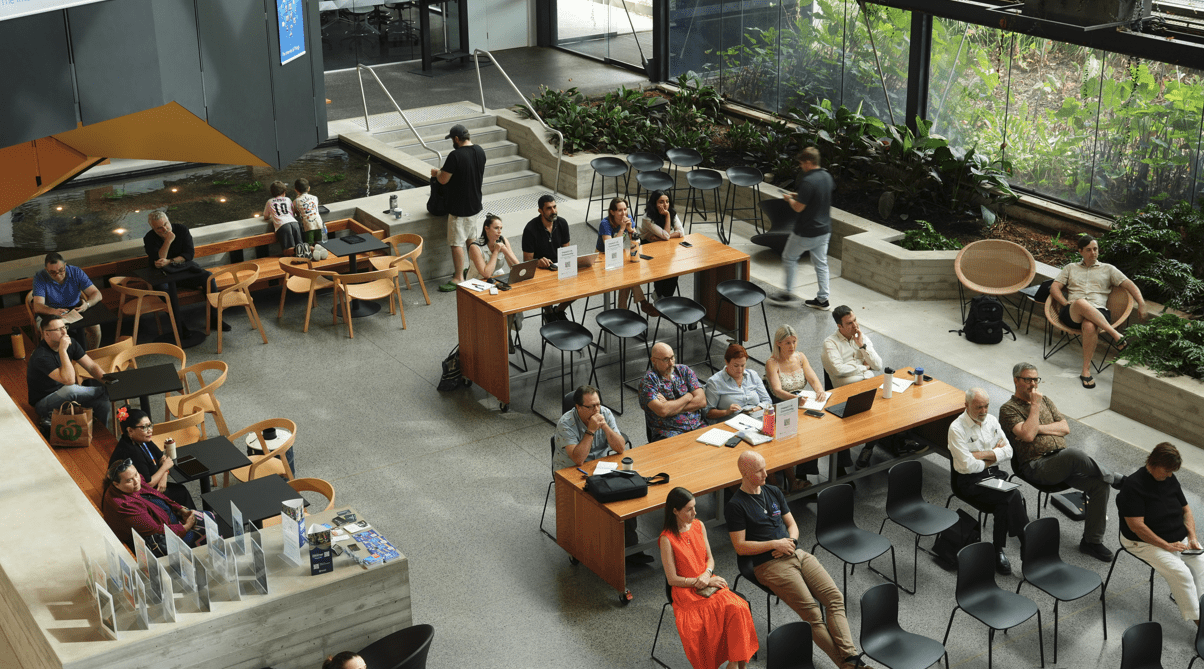
At this month’s Impact10X Connectivity Café at JCU, we unpacked some of the most pressing developments in digital marketing, from Meta’s bold claims about full ad automation to how we’re actually using AI tools right now to generate high-converting content and campaigns at scale.
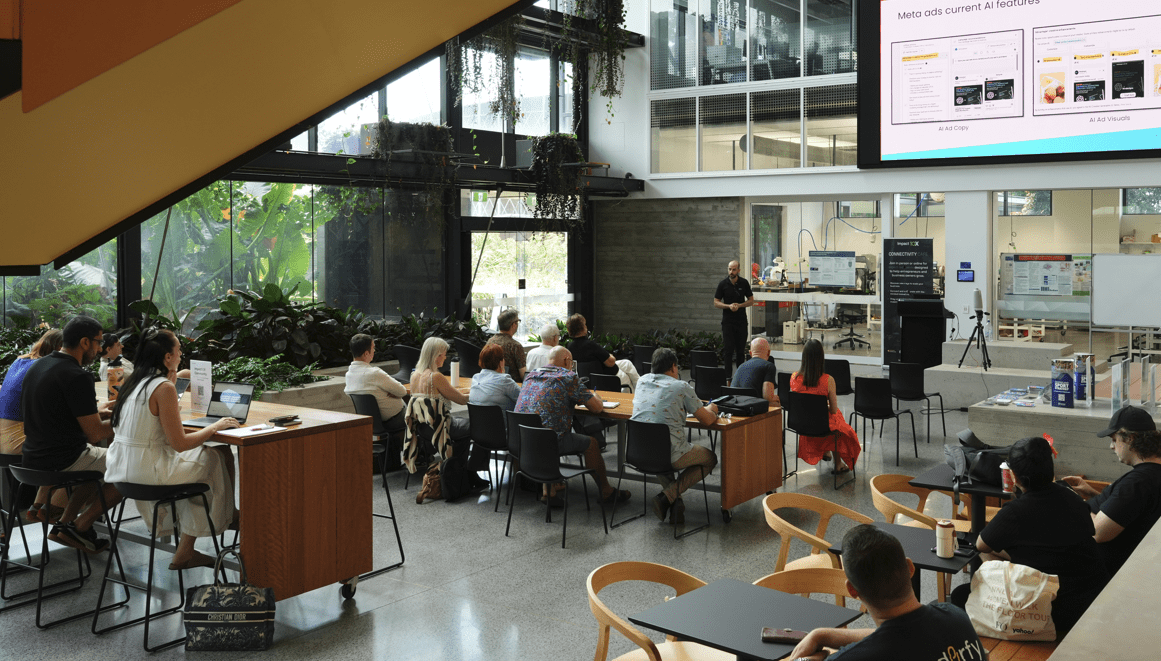
If you weren’t there (or need a refresher), here are the key takeaways from the session, excluding the technical glitches.
Meta’s Push for Full Ad Automation: Ambition vs. Reality
Meta recently announced that within 18 months, their ad platform could become fully automated. That’s a bold claim, and let’s be honest, it caused a ripple of unease across marketing teams everywhere. If you’re a business owner or marketer, you may wonder if we still have a role to play in the next 5-10 years.
The short answer: Yes. But our role is changing.
Meta wants to reduce the ad process to three steps:
-
Upload your product or service image
-
Write a short description and basic targeting info
-
Sit back while Meta handles targeting, delivery, creative variation, and personalisation
Sounds easy. But from where we’re standing today, we’re not quite there. In fact, using all the “enhancement” features available on Meta ads currently makes the platform feel more complex, not less.
We ran an A/B test using $100 per ad for our session promotion. One with all AI enhancements switched on and one crafted manually. The result? Virtually no difference in performance. The key takeaway is that these tools may seem powerful at first glance, but they’re not magic, and they don’t get better results. Not yet anyway.
The Future of Ad Personalisation at Scale
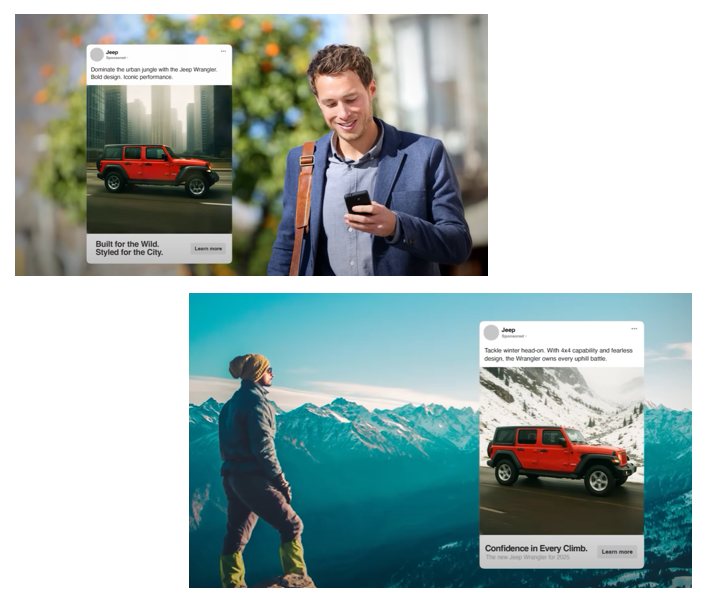
One of the more exciting developments is AI’s ability to personalise ad content based on user profiles. Imagine you’re selling a car, and your AI-enhanced ad shows one version to a city commuter (sleek, luxury vibe) and a totally different version to an off-road adventurer (rugged, durable tone). That’s where we’re headed. Every person receives a different ad tailored to them.
But here’s the catch, personalisation means thousands of ad variations automatically generated, obviously, not all of them can be reviewed, unless you have an army of seasoned marketers. That raises huge challenges for brand control, consistency, and reputation.
Think of Red Bull. Their ads are extreme, high-octane. Now, imagine an AI decides to show someone calmly riding a scooter with a helmet doing a bunny hop. Technically on-brand? Maybe. Emotionally on-brand? Not even close.
The point is, even in a world of smart automation, someone still needs to be the filter. Someone needs to shape the narrative, and ultimately, someone still needs to push that button.
The Future of Digital Marketing Requires a Better Website
AI doesn’t just power ad creation out of nothing. It needs to scrape data from your website, which is one of the only publicly available sources it can quickly access to understand your brand, offerings, and voice. Meta does it. Google does it. Smaller tools like Blaze AI also do this.
So if your site content is thin, outdated, or unclear, guess what? You’re feeding poor data into every AI algorithmic system out there, that’s really bad. Yes, you got it, your website is becoming more critical and not just for SEO. So, it should no longer be perceived as just your storefront or a brochure. It’s your primary data source, and the better the data, the better the results in terms of organic search and online visibility.
If there’s one thing to act on immediately from this talk, it’s to audit your website and optimise it. Ensure it conveys the business story you want AI to understand on your behalf. Pro tip: Niche down on the type of audience you want to focus on in your content. That way, the AI search crawlers will see you as an expert in your service for a specific audience.
Creating GPTs Is Not Just a Gimmick
About 30% of attendees said they’re already using ChatGPT in their daily work, which is awesome. But there’s a big difference between using it “as-is” and training your own GPTs tailored to a specific task or strategy.
At Mindesigns, we created Frederick, our custom GPT trained on thousands of academic marketing studies and behavioural data. It helps us generate powerful ad copy for Facebook that aligns with psychology-backed best practices (think: hundreds of academic marketing studies from around the world condensed into Frederick the GPT). Frederick doesn’t replace our creativity or critical thinking; it gives us a much stronger starting point and variations of ad copy that have been proven to work better.
We have proven that custom GPTs save time and improve quality within our agency. If you’re still starting every campaign from a blank Google Doc, it’s time to level up and customise your own GPT.
The Future Is Promising for AI Video Generators
If there were only one thing I could say in this article, it is that AI video generation is unlocking a new level of creativity. We’re no longer held back by production costs or the need for film crews. Now, you can create visuals that are as impressive as a Red Bull or Coca-Cola commercial, all from your laptop at home.
With tools like Google Veo and Runway, it’s possible to turn bold ideas into cinematic clips. Whether it’s gladiators in a Roman arena, robots training in a futuristic gym, or jets soaring overhead, it all starts with a few lines of text.
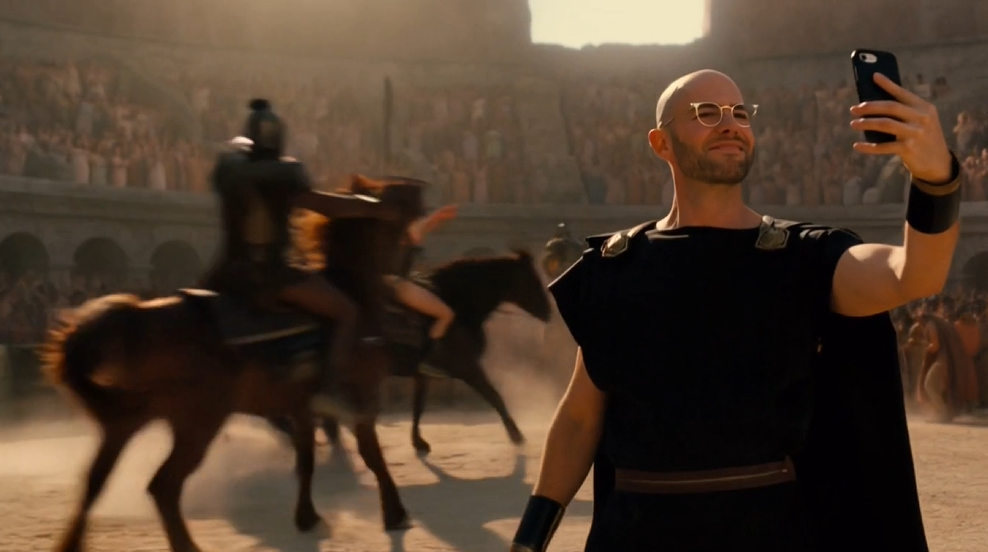
The technology is still developing. Most outputs are short clips, and the final result depends heavily on the prompt. That’s why we’ve created prompt templates to ensure our videos adhere to proven storytelling structures and marketing principles.
Here’s a simple framework to use for your video prompts:
-
Scenario: Describe the scene and setting (like a kitchen in a modern house)
-
Pre-action: What leads up to the key action in the scene (someone walks into the kitchen)
-
Action: The action (the person opens the fridge and accidentally spills the milk bottle)
Short-form, high-impact, fast, and incredibly cost-effective. That’s the new language of video marketing, and it’s only going to get better.
Data-Driven Creativity Will Define the Winners
At the end of the day, AI can do a lot, but it can’t do everything. It won’t know your customer’s emotions unless you teach it. It won’t understand your brand story unless you spell it out. And it certainly won’t think up your next viral campaign on its own.
That’s where we come in. As marketers, founders, or business owners, our job is to steer the ship. The tools are there to help us move faster and with more precision, but creativity, empathy, and strategy remain the differentiators.
Now is the time to experiment, test, and build your AI-powered marketing muscle. Because those who embrace the shift today will lead the conversation tomorrow.
Want to learn more?
Subscribe to our email list at the top of our blog or follow Impact10X on LinkedIn for updates on upcoming workshops and real-time marketing insights.
Let’s build the future, one smart prompt at a time 🙂