Marketers & Business Owners
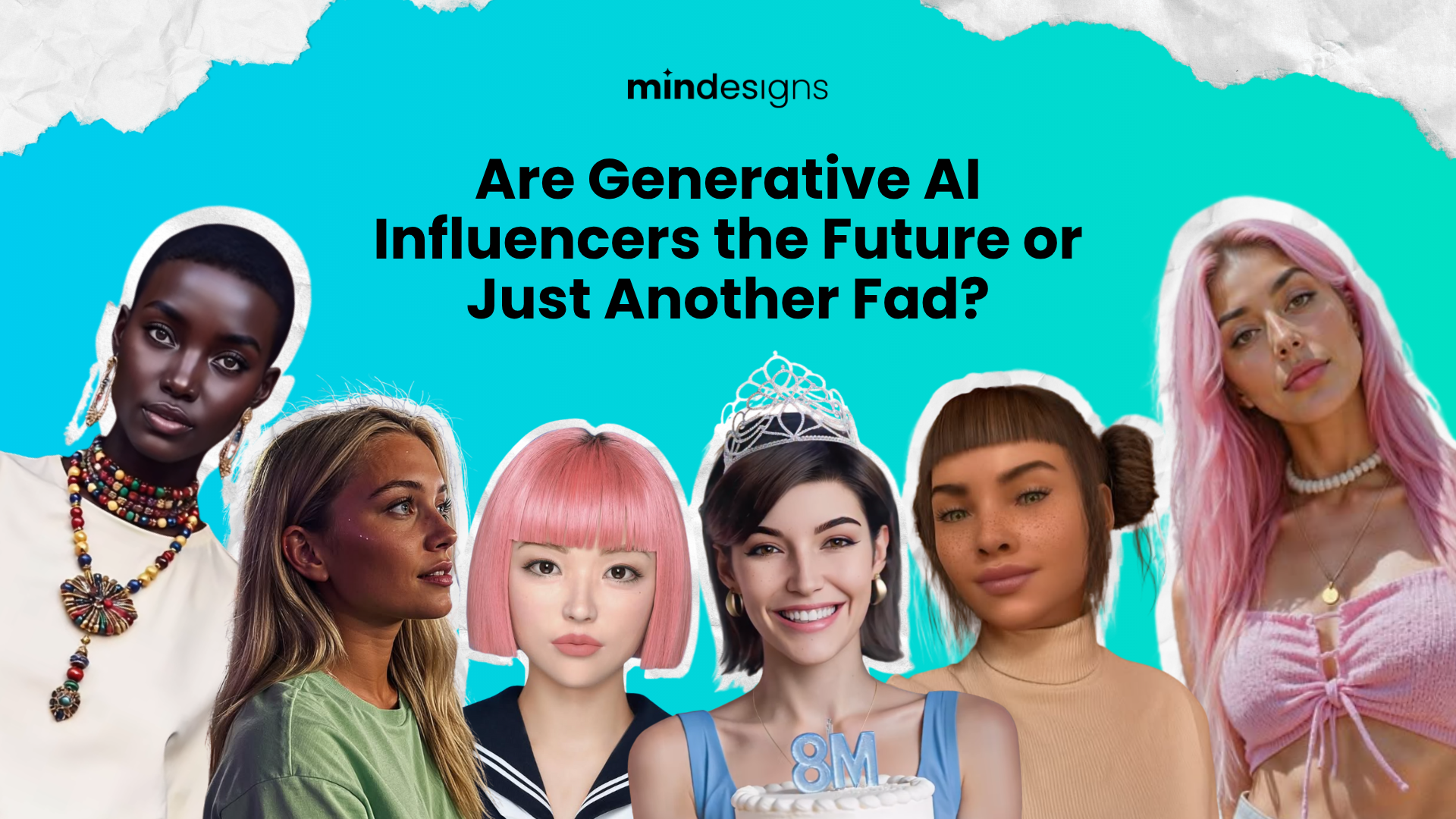
Back in the early 2000s, Gorillaz stormed the charts with animated members, fictional backstories, and no real faces in sight. When fans eventually learned the group was a creative project led by Damon Albarn and Jamie Hewlett, the music kept its impact. People stayed for the characters, the story, and the experience. That was almost two decades before AI became mainstream, long before synthetic creators became part of everyday media.

Today, digital personalities gaining influence feels normal. Audiences care less about what is real and more about what resonates. With smarter tools and lower barriers, anyone can build a virtual persona that sounds human and connects fast. Forward thinking brands have noticed. They are now using AI creators to promote products, run campaigns, and grow communities, often with more control and consistency than human influencers can offer. The results speak for themselves.
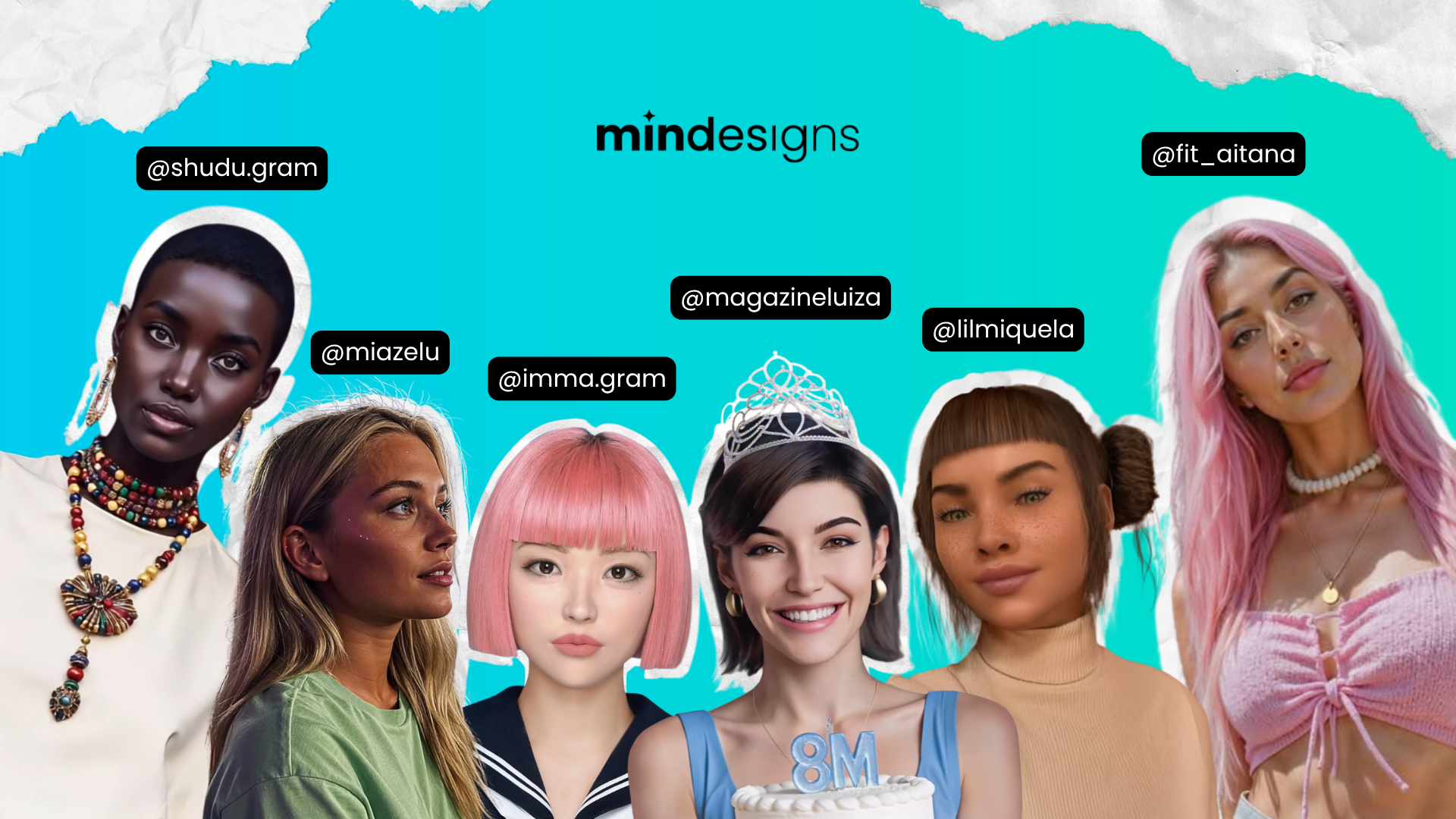
AI influencers in 2025 are signing brand deals, building loyal audiences, and earning real income, often rivalling their human counterparts. Lil Miquela, with over 2.4 million Instagram followers, has worked with Prada, Samsung, and Calvin Klein. She is treated like any other top-tier influencer. Then there is Lu do Magalu, Brazil’s virtual retail ambassador, who commands over 8 million followers and fronts campaigns for Red Bull, Intel, and MAC.
Imma, a pink-haired model from Japan, has collaborated with Porsche, IKEA, and Coach. Shudu, created as a digital supermodel, has appeared in Vogue and represented Balmain. Aitana López, built by a Spanish agency, reportedly earns €10,000 monthly. Mia Zelu, an AI model who “attended” Wimbledon through AI-generated images, quickly gained 200,000 followers and brand interest, without ever being real.
But what makes some of them magnetic while others fade into the scroll? In the next sections, we will break down what makes a virtual persona truly influential, explore the tools that bring them to life, and help you decide whether your brand needs one. If you are thinking about creating an AI influencer, this is where it starts to get practical.
Why Generative AI Influencers Are Becoming the New Norm
Generative AI influencers are thriving because the tools behind them are now powerful and easy to use. What once required a full creative team can now be done with a laptop and a bit of focus. From photorealistic visuals to human-like voices and scripted posts, anyone can build a digital persona in hours.
In the last five years, marketing strategies have leaned heavily into personal branding. Founders and CEOs have been expected to show up on camera, build trust, and be content creators themselves. But constant visibility is not for everyone. Some people want to protect their privacy. Others have strong ideas but lack the energy or personality to be always online. Still, audiences tend to follow brands with a relatable, consistent presence.
To solve this, many businesses are creating AI influencers as part of a broader B2C and B2B marketing strategy. These virtual figures handle public engagement while the real team focuses on operations. They show up, post regularly, and stay on message without draining the people behind the brand.
This shift has changed how companies think about content. AI influencers deliver with consistency, never miss deadlines, and always stay aligned with the brand’s voice. When supported by a strong marketing foundation, they can become long-term assets that drive awareness, build trust, and scale visibility across platforms.
What Makes an AI Persona Influential?
The best AI influencers are not just visually polished. They have personality, story, and purpose. Like human creators, they need a clear identity that includes tone, values, and emotional depth. Whether they are playful, quiet, or bold, these traits help them feel real and build connection.
Many develop through ongoing story arcs. Imma shares her dream of becoming human. Others use humour or polarising opinions to stay memorable. Without emotional pull, even the most lifelike avatars are easy to ignore.
Conviction matters too. Lil Miquela speaks on issues like racial justice and gender equality, which gives her presence meaning. AI personas that support causes such as sustainability or mental health often attract communities who share those values.
So, while image quality and visual consistency matter, real influence starts with strategy. A strong marketing strategy shapes everything from character design to long-term growth. If you are planning to create an AI influencer, it is worth starting with a clear, well-built marketing strategy. Below is a quick checklist for building a persona that actually sticks.
Checklist for a Compelling AI Influencer Persona
- Defined personality (e.g., sarcastic optimist, introverted artist)
- Consistent backstory or motivation
- Emotional hook (quirky, dramatic, humorous)
- Aligned with a niche or cultural space
- One-line identity: “A Gen Z robot popstar exploring human feelings”
Once that foundation is clear, the next step is choosing the right tools to bring that character to life through visuals, voice, and motion. Let us look at the platforms leading that charge.
Best AI Influencer Generator Tools in 2025
You no longer need a production studio to build an AI influencer. With the right tools, you can generate faces, voices, videos, and captions from a single workspace. Whether you are creating a virtual model, a brand ambassador, or a content machine, there is a platform that fits.
To make this list practical, we narrowed it down based on four key criteria:
- Widespread adoption among creators and brands
- High user ratings or strong media visibility
- Support for full persona creation, not just single features
- Balance of accessibility and scalability for both solo creators and teams
These tools are actively being used to power real AI influencers in live campaigns.
If you are looking for fast video generation, Synthesia, HeyGen, and D-ID turn scripts into talking head videos within minutes. These are ideal for creators or brands needing short, polished clips without cameras or crews.
Here you can find a case study created by the BBC:
For those building a more complete influencer, The Influencer AI stands out. It offers face training, photo and video generation, and even branded product placement integration. It is built specifically for fashion and ecommerce creators scaling digital personas.
When it comes to scripting and voice, ChatGPT and ElevenLabs remain leading options. ChatGPT helps write captions and plan content in your influencer’s tone, while ElevenLabs provides natural, cloned voices for videos, stories, or even podcasts.
| Tool | Best For | Key Features | Ideal Users |
| Synthesia | Talking avatar videos | Multilingual avatars, studio-quality | B2B, educators, info brands |
| HeyGen | Fast video creation | Outfit changer, photo-to-video | Solo creators, marketers |
| D-ID | Talking portraits | Upload photo + voice, quick edits | TikTokers, indie creators |
| The Influencer AI | End-to-end persona building | Face training, brand content automation | Fashion, ecommerce brands |
| ChatGPT | Scripting + captions | Content planning, tone consistency | Writers, content teams |
| ElevenLabs | Voice cloning | Realistic voices, custom accents | Video creators, podcasters |
Once you have the right stack, bringing your AI influencer to life becomes a repeatable process. Now let us walk through exactly how to build one from scratch step by step.
How to Create a Generative AI Influencer from Scratch
Building an AI influencer starts with a clear concept and ends with a living, breathing digital presence, one that can post daily, engage followers, and grow over time. Below is a simple roadmap anyone can follow, whether you are a solo creator or part of a brand team.
Step-by-Step Guide
Define your niche and persona
Choose a niche where your AI influencer fits, fashion, wellness, finance, or lifestyle, then craft a simple backstory that gives them purpose. Maybe they “grew up” learning from humans and now want to share what they’ve learned, or they were “built” to help people navigate complex topics. Anchor their personality in relatable values like creativity, curiosity, or mental health. Lock in a tone of voice that matches their role, calm, witty, bold, and make sure it aligns with the type of content they’ll share. A clear backstory creates emotional connection and makes the persona worth following.
Choose your tools
Select platforms based on what you need. Synthesia or HeyGen for videos. The Influencer AI if you want consistency across images. ElevenLabs for voice. ChatGPT for captions. Keep your stack lean at first.
Build your avatar
You can start with a prebuilt avatar or upload photos to train a consistent face. Choose outfits, styles, and backgrounds that match the vibe you want to project.
Script and generate content
Plan 1–2 weeks ahead. Use AI to draft captions and video scripts. Then create short talking clips, image posts, or product showcases. Keep the visuals clean and the message clear.
Set up your platforms
Create Instagram, TikTok, or YouTube Shorts accounts. Write bios that reflect your persona. Mention clearly if they are virtual, or lean into mystery depending on your audience.
Schedule your posts
Use a content calendar and automation tools to stay consistent. Test different post times, formats, and hashtags. Track what gets engagement.
Evolve based on feedback
Reply to comments in character. See what resonates. Add new storylines or adjust the tone as your audience grows. Treat the persona like a real creator who learns over time.
Once your influencer is active, the next challenge is standing out in a sea of AI clones and real-life creators. It takes style, timing, and strategy.
Strategies to Make Your AI Influencer Stand Out in a Crowded Feed
Creating an AI influencer is one thing. Getting people to care is something else. In a crowded feed, virtual personas need character, timing, and a strong sense of presence. The same rules that work for human influencers still apply. People respond to tone, consistency, and personality.
Start by locking in the voice and visual style. Keep captions, replies, and videos aligned in tone. Use consistent angles or expressions to build recognition. Choose a niche that fits the persona and add depth through humour, emotion, or vulnerability. These small details make the character feel alive.
Growth comes through engagement. Comment replies, polls, and fan prompts help create a two-way connection. Some of this can be automated, but the experience should feel personal. Collaborating with human creators or running audience-driven challenges can also boost reach.
To stand out, avoid common missteps. A robotic tone or static visuals will lose attention quickly. Captions that feel generic are easy to scroll past. If the influencer represents a brand, be clear about it. Audiences will still engage when the content feels real.
AI Influencer Quick Growth Tips
- Make the AI influencer feel as human and as authentic as possible
- Use comment sections as conversation starters
- Test stories and carousels, not just image posts
- Tap into trends quickly with short-form video
- Show behind-the-scenes content of how the AI is made
- Run polls and audience votes to shape the persona’s “life”
Do This / Avoid That
| Do This | Avoid This |
| Script in the influencer’s voice | Generic captions with no tone |
| Engage in comments and DMs | Leaving questions unanswered |
| Post around trends | Repeating static promo posts |
| Vary content formats | Using the same image repeatedly |
| Show brand personality subtly | Overselling with every single post |
Once your influencer starts gaining traction, the question becomes bigger than content. It becomes a matter of direction. Should your business have a virtual persona at all? That is the final piece to explore.
Why Now Is the Year to Build Your Own AI Influencer
What once looked like a passing trend is now shaping the future of digital influence. Generative AI influencers are landing global campaigns, building loyal communities, and delivering results for brands of every size. They have pierced through tech demos. They are working, growing, and earning in the real world.
The tools have caught up to the vision. You do not need to be a designer, developer, or video editor to launch a fully functioning influencer. Whether you want a quirky fashion model, a helpful finance guru, or a witty product ambassador, the platforms exist, and many of them are built for creators with no technical background.
That is what makes this moment different. The barrier to entry is low, but the ceiling is high. If you are a solo creator, this is a way to show up consistently and creatively without personal burnout. If you are running a brand, it is a chance to engage your audience in a bold, original way.
If you are planning to build your own AI influencer or want expert help turning your concept into a standout digital persona, we would love to support you. Reach out, and let us bring your idea to life.