For Marketing Leaders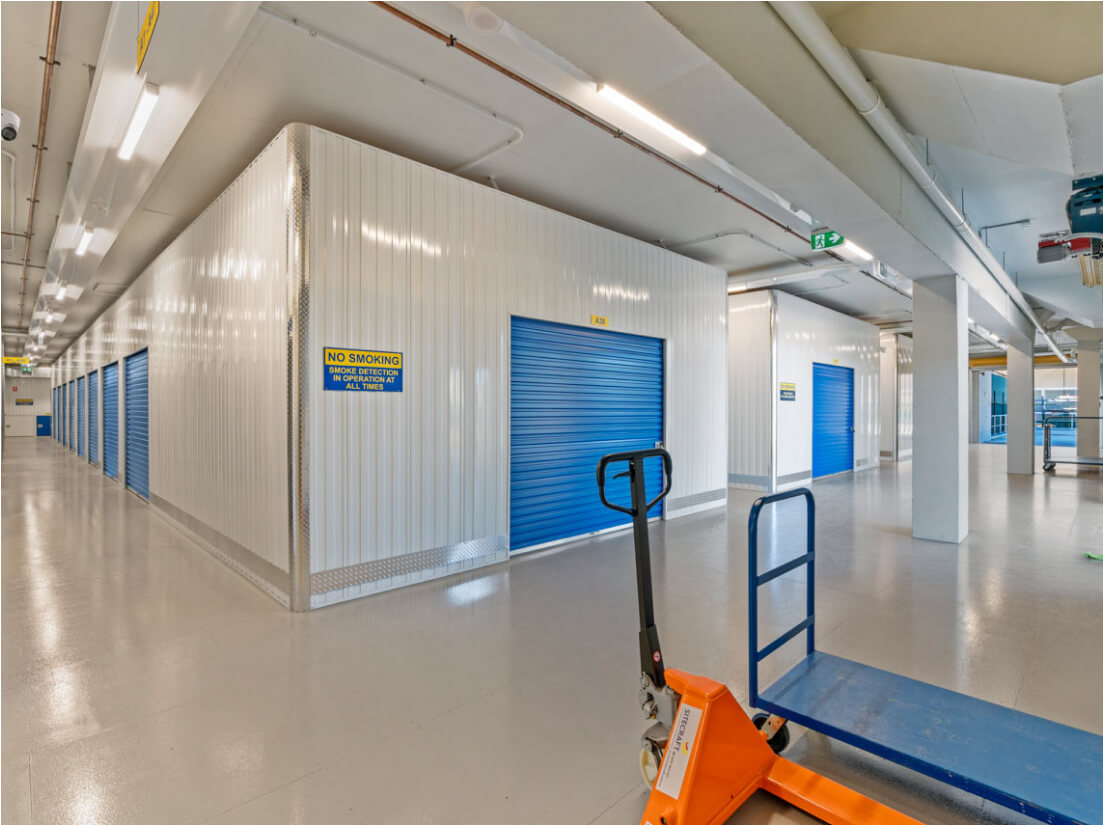
Why Is Business Storage Cost So Unpredictable?
The warehouse was overflowing. Boxes stacked on top of each other, documents crammed into overflowing filing cabinets, and unused equipment collecting dust in the corners. Sarah, a small business owner in Sydney, knew something had to change.
But when she started looking into storage units, she quickly realised the costs varied wildly. Why was one storage unit half the price of another just a few suburbs away? And how could she find the best deal for her business?

If you’ve ever faced a similar dilemma, you’re not alone. Whether you’re running an e-commerce store, a local retail shop, or a construction business, storage space is often a hidden but necessary expense. But how much does business storage in Australia really cost? And what factors affect the price? Let’s break it down.
Factors Affecting Cost of Storage Units
The cost of storage units for businesses in Australia isn’t a one-size-fits-all figure. Several key factors influence pricing:
- Location: Just like real estate, storage unit prices vary depending on the city. Storage units in Sydney, Melbourne, and Brisbane tend to be more expensive than those in regional areas.
- Size of Unit: From small locker-sized spaces to large warehouse-style units, the size you choose significantly impacts cost.
- Duration: Long-term rentals often come with discounts, while short-term leases might cost more per month.
- Security Features: Facilities offering CCTV, access-controlled entry, alarms, and 24/7 monitoring charge more due to higher operational costs.
- Climate Control: Businesses storing sensitive materials like documents, electronics, or perishable goods may need climate-controlled storage, which comes at a premium.
- Additional Services: Some storage providers offer perks like 24/7 access, insurance, or package handling—each of these adds to the cost.
Price Ranges for Business Storage in Australia
While prices vary, here’s a rough estimate of what businesses can expect to pay for storage units in major Australian cities:
Self-Storage Units:
- Small unit (1-3m²): $100 – $250 per month
- Medium unit (4-9m²): $250 – $500 per month
- Large unit (10-20m²): $500 – $1,000 per month
Managed Storage (Includes services like pickup, and delivery):
- Small-scale business storage: Starts at $150 per month
- Warehouse-style storage: $1,000+ per month depending on location and services
City Comparison:
- Sydney & Melbourne: Highest costs due to demand and space constraints.
- Brisbane & Perth: More affordable but still on the higher end.
- Regional areas: Typically 20-40% cheaper than capital cities.
What to Look For When Comparing Providers
Choosing the right storage provider is about more than just price—it’s about value. Here’s what businesses should consider:
- Contract Flexibility: Can you scale up or down as needed? Are there penalties for early termination?
- Hidden Fees: Watch out for administration fees, late payment charges, and lock-in contracts with price hikes.
- Access Hours: Some facilities offer 24/7 access, while others have strict opening hours.
- Customer Reviews: Online feedback can reveal real-world experiences, from security concerns to customer service quality.
Top Business Storage Providers in Australia:
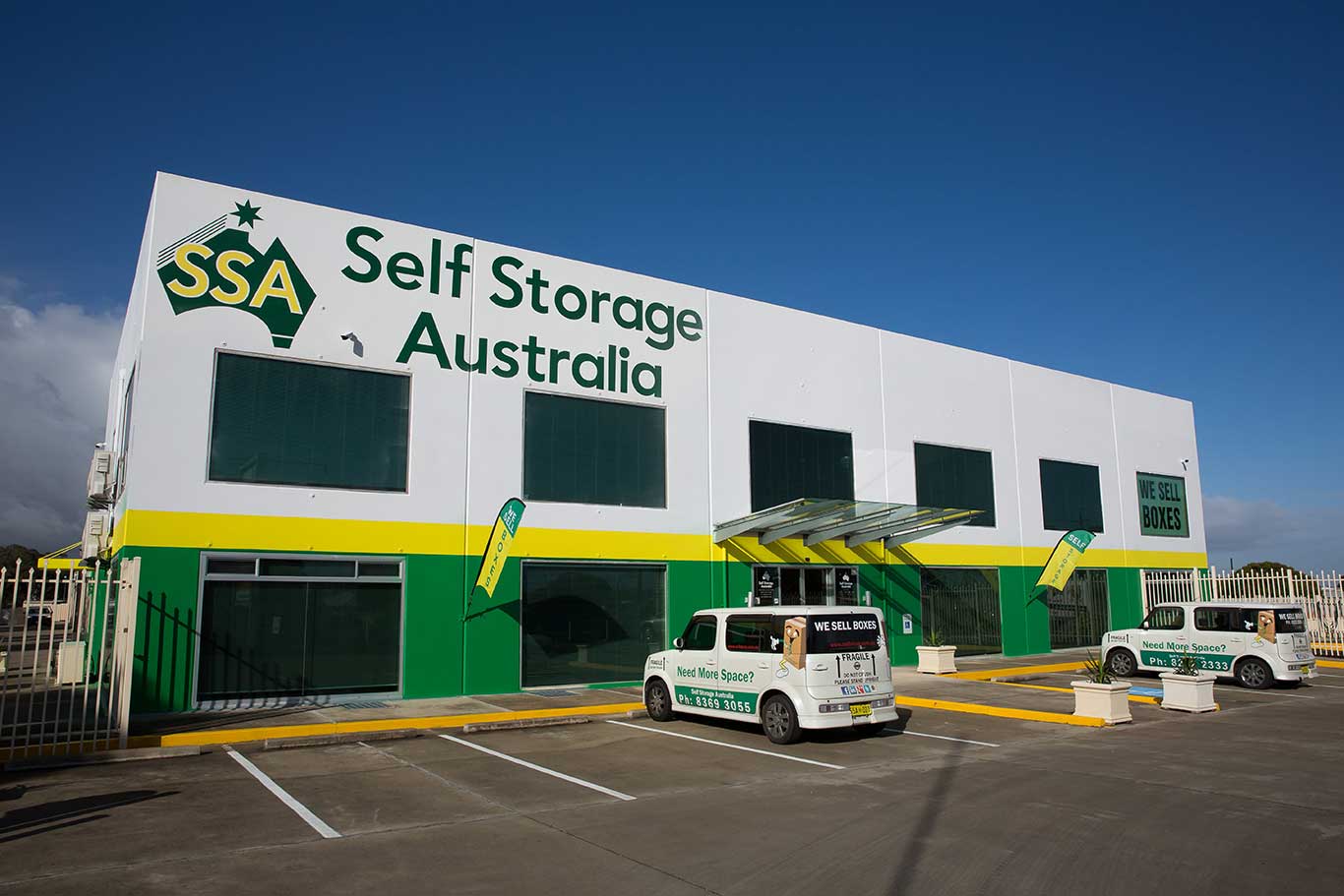
- Kennards Self Storage
- National Storage
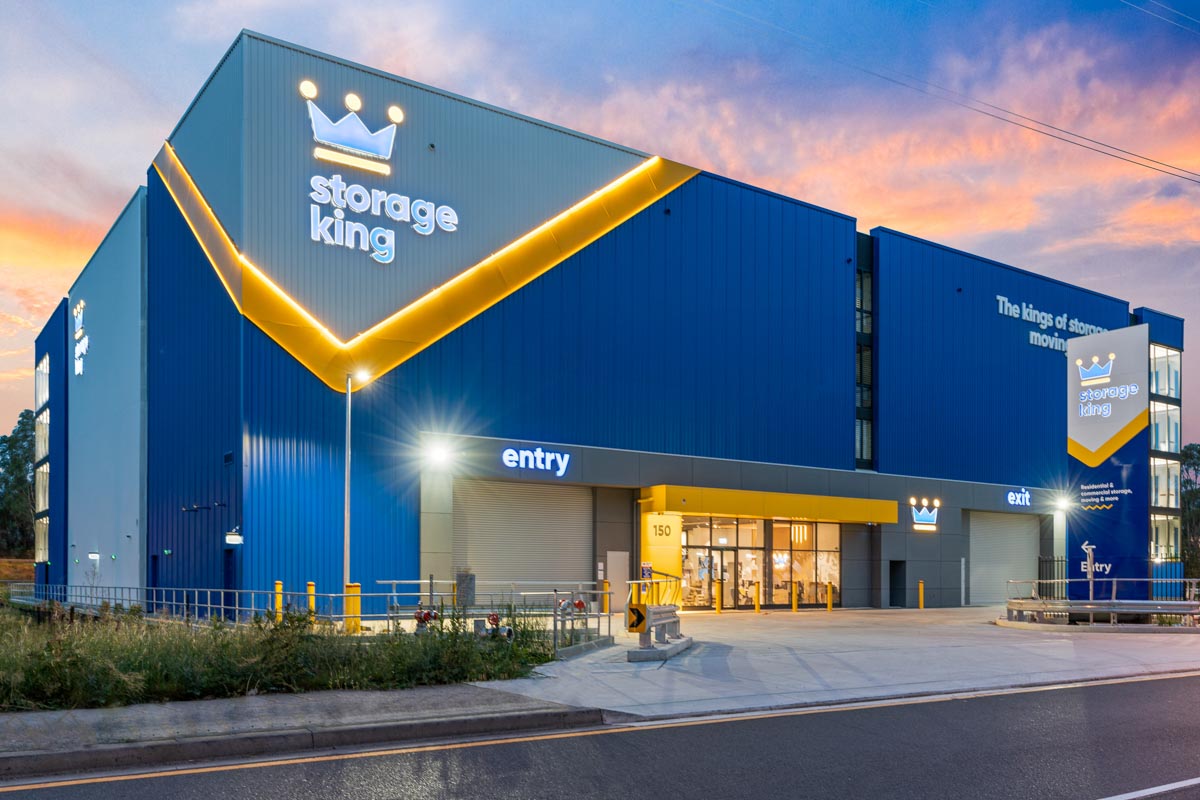
- Storage King
- TAXIBOX (mobile storage)
- Spacer (peer-to-peer storage)
Cost-Saving Tips for Businesses
If you’re looking to save money while keeping your business assets secure, consider these strategies:
- Negotiate Long-Term Rates: Many providers offer discounts for 6-month or 12-month commitments.
- Opt for an Off-Peak Location: Industrial zones or regional areas offer significantly lower prices.
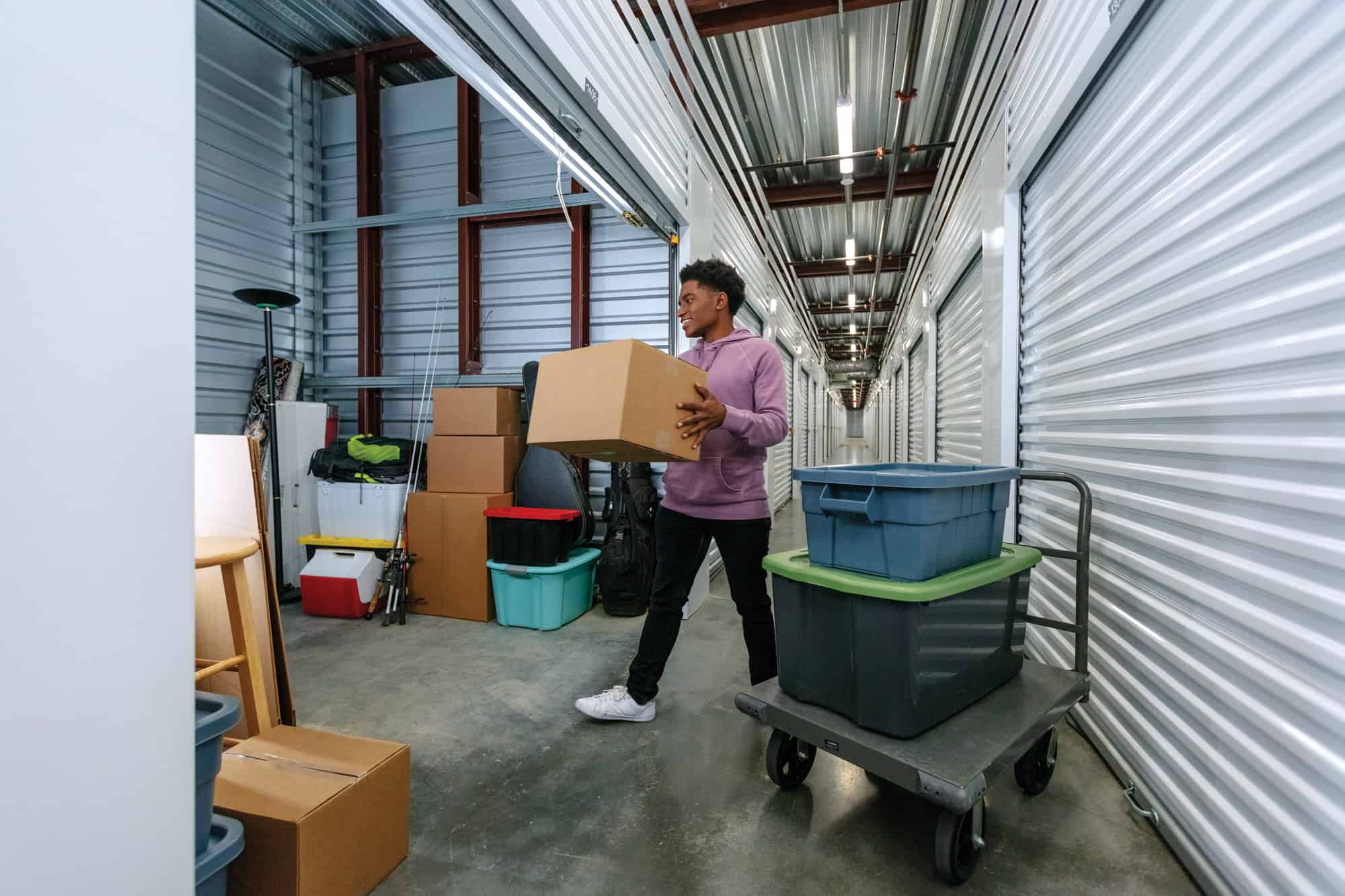
- Maximise Storage Efficiency: Use shelving, stackable bins, and proper labeling to use the smallest space possible.
- Consider Mobile Storage: TAXIBOX and similar services bring the storage unit to you, which can cut costs on logistics and transportation.
- Bundle Services: Some companies offer discounts if you also use their moving or delivery services.
A Recap on Costs and Savings
Storage costs for businesses in Australia vary widely depending on location, unit size, security, and services. While it might seem like a straightforward expense, choosing the right storage solution can impact your business’s bottom line. By comparing providers, understanding pricing factors, and using smart cost-saving strategies, businesses can secure affordable, efficient storage without breaking the budget.
So, whether you’re like Sarah, struggling with clutter, or you’re planning ahead for future business growth, the right storage unit at the right price is within reach.