For Marketing Leaders
When Is Buying a Property a Smart Investment for Your Business?
Owning commercial property can be a strategic move—but only if it aligns with both your business objectives and financial outlook. Unlike leasing, buying a property for your business also carries the responsibility of an investment, which must be evaluated separately from day-to-day operations.
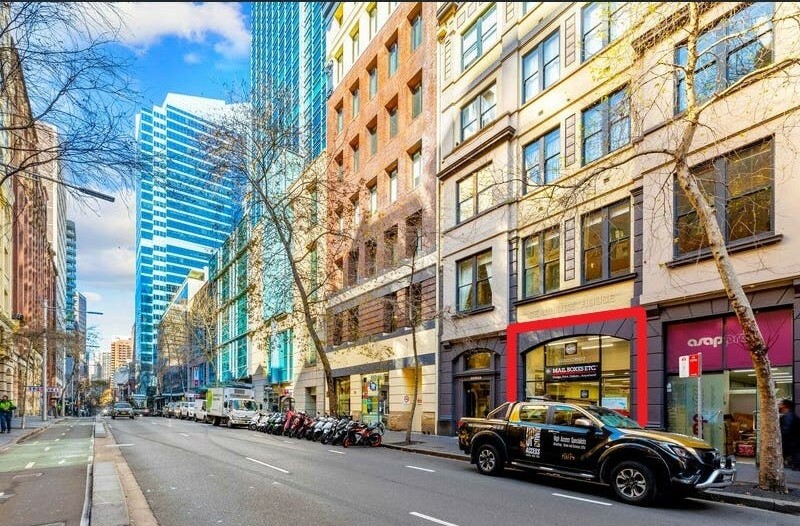
Your business should be financially stable enough to cover the lease payments for any commercial space you rent. If you’re considering property ownership under the assumption that it will reduce your rental expenses, that may not be the most strategic perspective. Instead, here are key scenarios where purchasing a property for your business could be a smart investment:
1. You Have a Long-Term Vision for Stability
If your business has been established for years and operates in a location that is central to your customer base, buying property can ensure stability in operating costs. Rent prices fluctuate, leases expire, and landlords can change terms. Owning removes these uncertainties, allowing you to lock in a fixed expense while building equity over time.
Example: A law firm that serves high-net-worth clients in a premium district benefits from owning its space rather than risking rent hikes or being forced to relocate.
2. The Property’s Value Is Expected to Appreciate
If the commercial real estate market in your area is experiencing steady growth, buying a property for your business becomes a profitable long-term investment. If property values rise, your business could sell the space later for a substantial profit or leverage it as collateral for expansion.
Example: A tech startup in a rapidly developing area like Melbourne’s innovation hub might buy office space at a lower price today and see its value double in a decade.
3. You Can Generate Additional Income from the Property
If your business doesn’t require the entire space, you can lease out sections to tenants and create a separate revenue stream that offsets mortgage costs.
Example: A business consultancy firm buys a multi-floor building, using one floor while renting out the others to other small businesses.
4. You Need Customisation That a Lease Won’t Allow
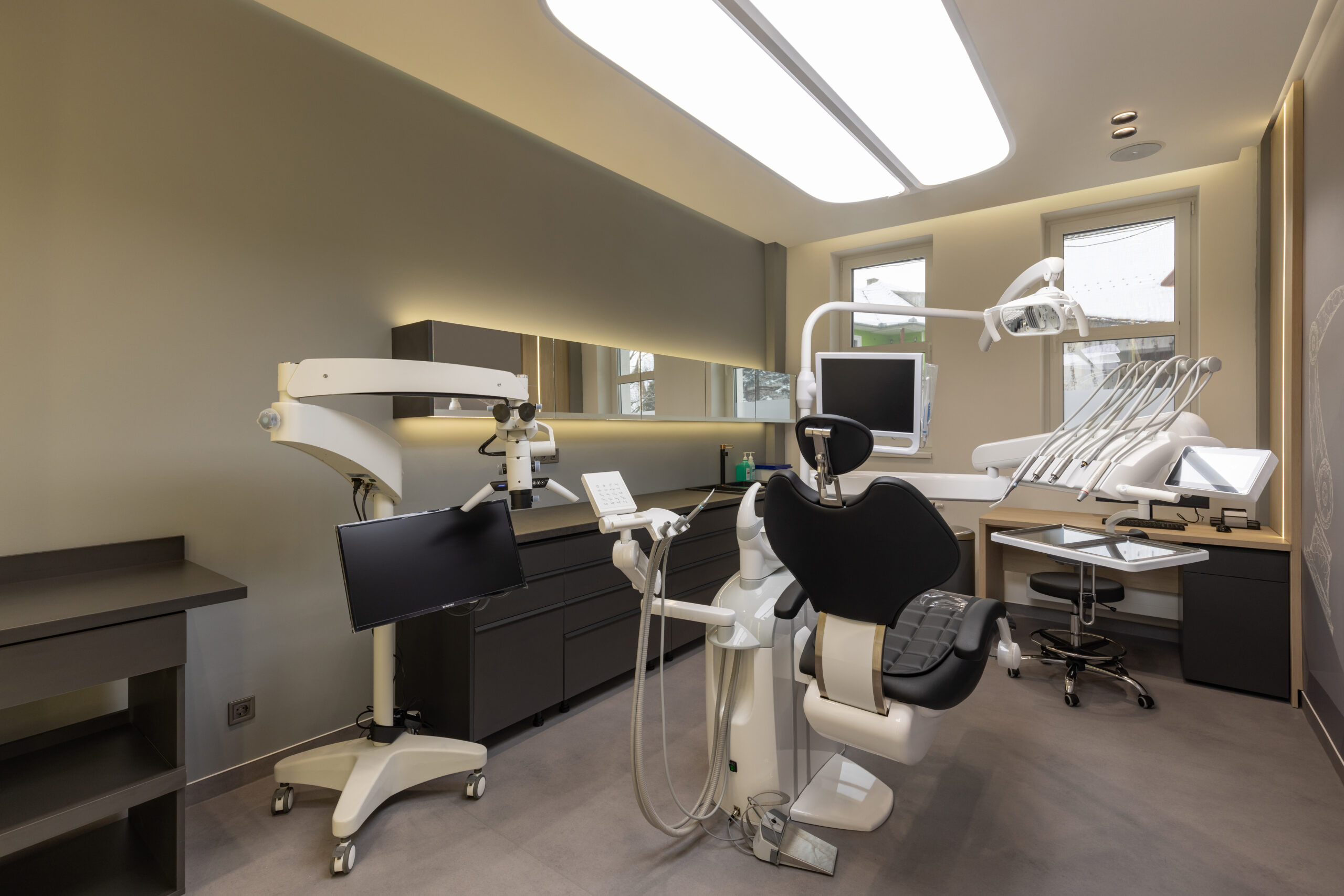
Leased properties come with restrictions on modifications. If you require a highly specialised space, such as a manufacturing facility, creative studio, or medical clinic, buying a property for your business provides the freedom to build exactly what you need.
Example: A dental practice invests in ownership to design a purpose-built clinic with the latest equipment, rather than dealing with a landlord’s restrictions.
When Buying a Property for Your Business Becomes a Risk
Not every business benefits from owning commercial property. If you’re not careful, buying a property for your business can strain your cash flow, limit flexibility, and create unnecessary financial pressure.
Here’s when buying a property for your business is not the best choice:
1. Your Business Needs Financial Flexibility
Buying a property for your business ties up a significant amount of capital that could otherwise be used for growth, hiring, marketing, or product development. If your company still needs liquidity to scale, leasing might be the wiser choice.
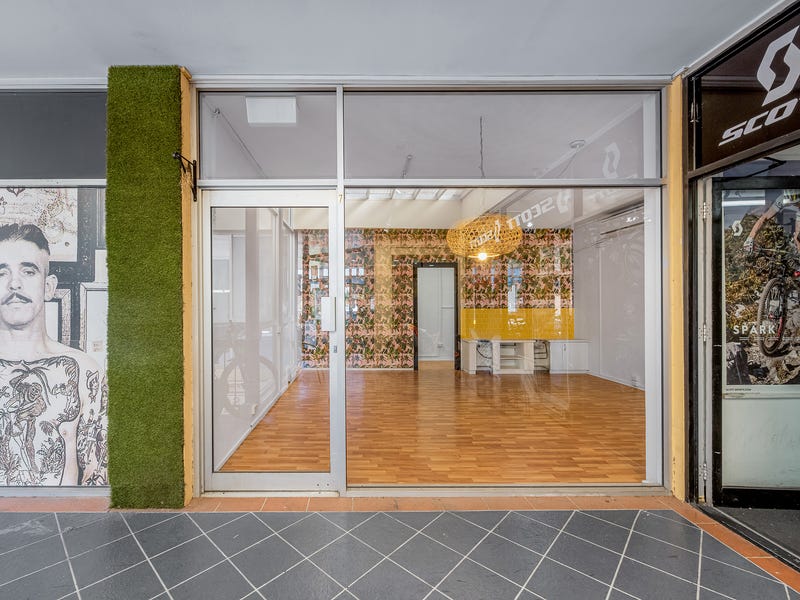
Example: A growing e-commerce brand might need to invest in inventory, digital marketing, and tech development. Spending millions on an office space could restrict these crucial investments.
2. Just Because You Own It Doesn’t Mean It’s “Free”
A common misconception is that if your business owns its building, it somehow benefits from cheaper rent. In reality, your business still has to cover the mortgage, property taxes, insurance, and maintenance costs.
You are essentially paying yourself rent, and unless your business generates enough revenue to justify this, it can become a financial burden.
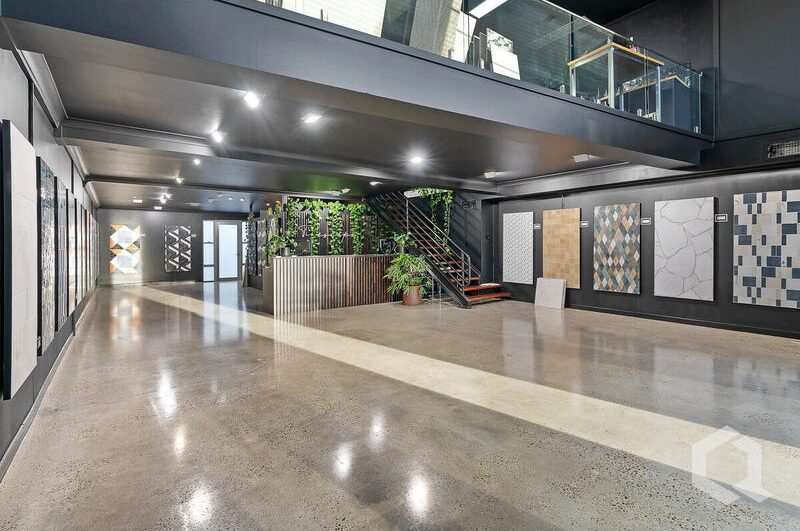
Example: A small marketing agency buys a high-end office space, expecting to “save” money on rent. However, the mortgage payments, upkeep, and taxes end up being more expensive than simply leasing a comparable space elsewhere.
3. Your Business Might Outgrow the Space
If your company is in a high-growth phase, buying a property for your business might limit your ability to scale or pivot. Leasing provides the flexibility to move locations as your business evolves.
Example: A fast-growing fintech startup leases office space in a shared hub, allowing it to expand its team without being tied to a long-term mortgage. Had it purchased space early on, it would have been stuck in a location too small for its rapid expansion.
4. The Property Market Is Unstable
If real estate prices in your area fluctuate or trend downward, owning property could become a financial liability rather than an asset. A commercial downturn could mean difficulty reselling or leasing out extra space.

Example: A business buys an office in a trendy area, but the district loses popularity over time. As foot traffic declines, property values drop, and selling the space becomes difficult.
Food for Thought: Your Business and Your Investment Are Not the Same
Buying a property for your business should be viewed as a separate investment, not just an operational decision. It will not automatically benefit your business just because you’re the owner. If your company still has to “pay rent” (in the form of mortgage costs), then the decision should be based on long-term financial strategy, not just the appeal of ownership.
Before buying a property for your business, ask yourself if it is a smart business move or just a real estate play. If the answer isn’t clear, leasing may be the better option.
How McDonald’s Turned Property Ownership into a Billion-Dollar Strategy
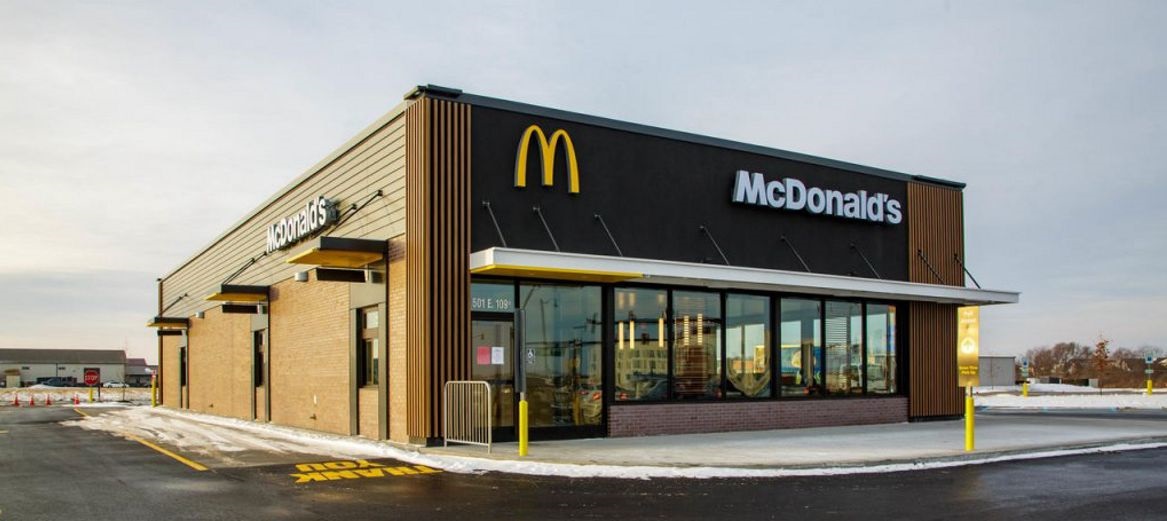
When most people think of McDonald’s, they see a fast-food empire built on burgers and fries. However, what truly set McDonald’s apart as one of the most successful businesses in the world wasn’t just its menu, it was its real estate strategy. The company’s decision to own the land beneath its restaurants has been one of the biggest contributors to its financial success.
For investors considering commercial property ownership, McDonald’s serves as a prime example of how strategic real estate investments can outperform the core business itself.
Why Owning the Property Made Sense for McDonald’s
Steady, Predictable Revenue from Franchisees
Instead of just making money from selling food, McDonald’s leases its properties to franchisees, charging them rent to operate their locations. These rent payments create a reliable, long-term revenue stream, often with built-in increases over time.
Example: Even if a franchise struggles or fails, McDonald’s still owns the land and can lease it to a new operator or sell it at a premium.
Land Appreciation and Asset Growth
McDonald’s strategically purchases real estate in high-traffic, high-value locations. Over time, these properties appreciate, building wealth independently of the restaurant business.
Example: A McDonald’s restaurant that opened in a prime urban location decades ago is now sitting on land worth many times more than what it was originally purchased for.
Control Over Brand Presence and Expansion
Owning its locations allows McDonald’s to dictate where and how its stores operate, rather than being at the mercy of landlords. It ensures that the brand’s prime locations stay within the company’s control, even if franchisees come and go.
Example: Unlike other restaurant chains that might be forced to relocate due to rent hikes or lease terminations, McDonald’s ensures its most profitable locations remain under its ownership indefinitely.
Recession-Resistant Business Model
While fast food sales can fluctuate with the economy, McDonald’s real estate holdings provide financial stability, ensuring the company continues to generate revenue even in downturns.
Example: During economic recessions, franchisees must still pay rent, meaning McDonald’s maintains cash flow even when sales dip.
The Ability to Leverage Real Estate for Expansion
The value of its owned properties gives McDonald’s greater financial leverage, allowing it to secure loans and fund expansion efforts without solely relying on restaurant revenue.
Example: McDonald’s can use its extensive real estate portfolio as collateral to finance new ventures, invest in new locations, or upgrade existing stores.
Buying a Property for Your Business? Here are Some Key Points to Consider
Strategic Location and Visibility
The location of your business is a marketing tool in itself. A prime real estate spot ensures high visibility, making your brand more recognisable to potential customers. Foot traffic, accessibility, and the overall appeal of the area contribute significantly to your business’s reach.
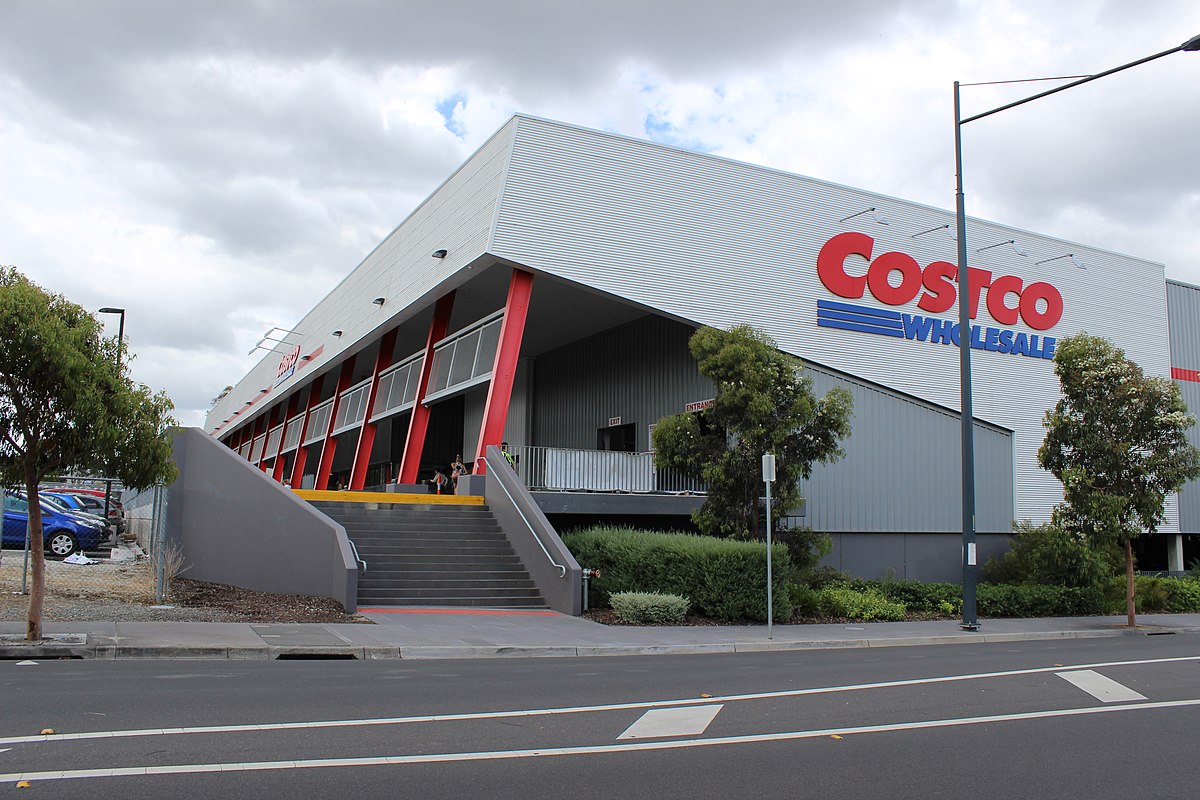
A well-chosen location in a thriving commercial district or a trendy neighbourhood can naturally attract clients and increase brand awareness without additional marketing efforts. Additionally, being situated in a reputable area raises your business’s credibility.
The right location also fosters networking opportunities. Being near other successful businesses can lead to potential partnerships and collaborations. Property ownership in a sought-after area means long-term investment potential, allowing your business to benefit from rising property values while maintaining a prestigious presence in the market.
Eye-Catching Signage and Design
A well-branded building can act as a 24/7 advertisement. Prominent signage, architectural elements, and exterior aesthetics can capture attention and generate leads.
Think of a beautifully designed café on a busy street or a striking office building that stands out among its surroundings. Owning a highly visible space enhances its perceived value, making it a more attractive investment than a hidden building tucked away from public view.
Fostering a Positive Work Environment
A business’s physical space influences company culture and employee satisfaction. Owning property allows for complete control over workplace design, which allows business owners to create a workspace tailored to their team’s needs.
This means incorporating open-concept designs for collaboration, quiet areas for focused work, and relaxation spaces that encourage creativity and mental well-being.
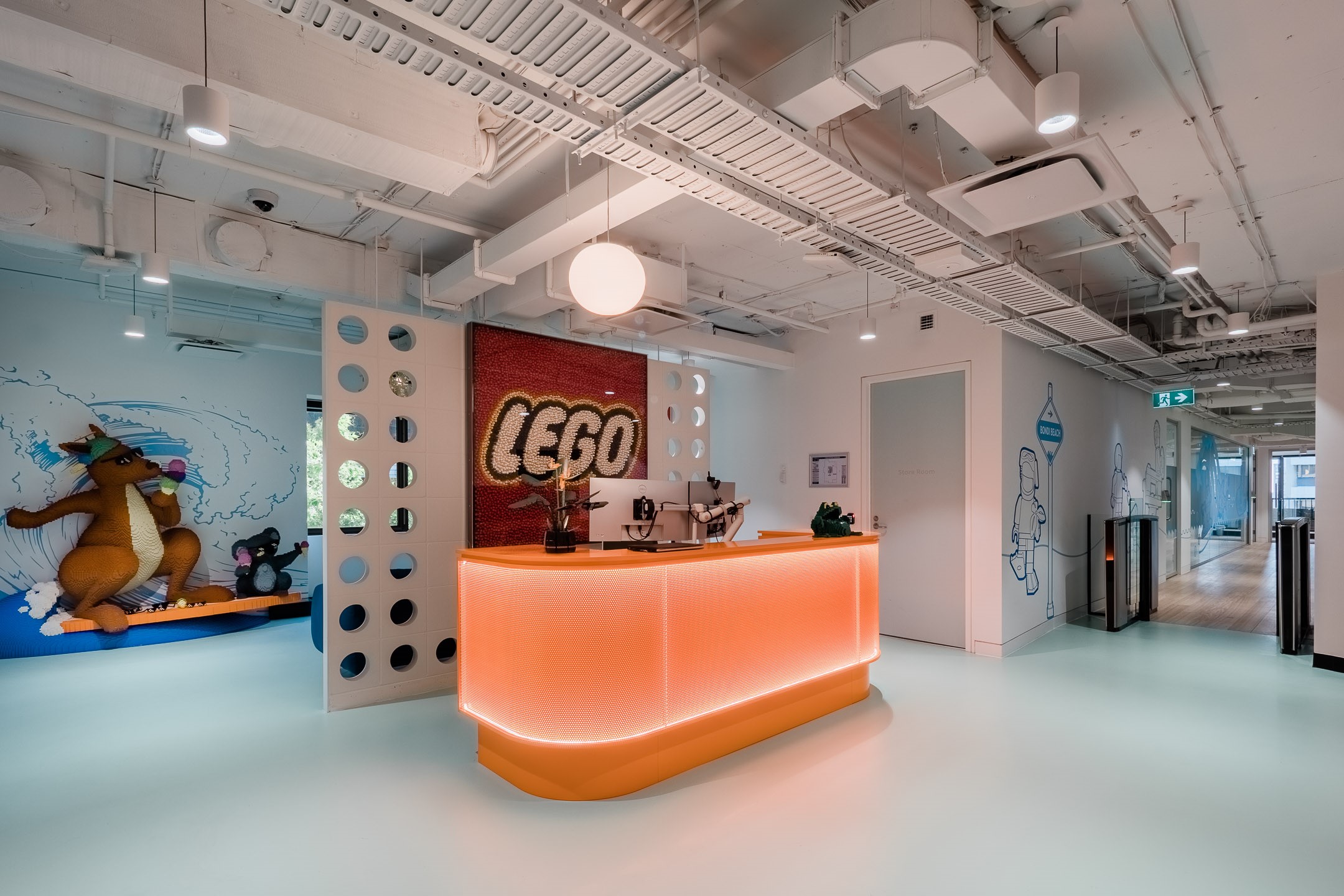
Lego’s offices, for example, are designed to inspire creativity, with recreational areas and flexible working zones that boosts productivity and reduce burnout. By owning your space, you can create an environment that aligns perfectly with your company’s culture and operational goals.
Attracting Top Talent
A well-maintained and aesthetically pleasing workspace is a perk that can attract skilled professionals. In a competitive job market, an office that prioritises employee comfort, productivity, and work-life balance can set your company apart.
Modern office trends include wellness-focused features such as standing desks, green spaces, and fitness facilities, all of which can make a company more attractive to potential hires.
Owning property allows businesses to offer unique incentives, such as customised workspaces for teams or on-site amenities like cafés, childcare services, or rooftop lounges, which are all factors that help draw in top talent and improve employee retention.