Marketers & Business Owners

Not long ago, the standard route to information started with a search box, followed by a scroll through ten blue links. Now, users type questions into conversational tools and get neatly packaged responses without needing to click. The shift from traditional search to AI-powered answers has introduced a new set of challenges. In the context of GEO vs SEO, generative AI now acts as guide, interpreter and gatekeeper, changing how information is found and which sources are surfaced.
For marketing leaders, it signals the rise of a new kind of online visibility approach. Traditional search engine optimisation, or SEO, is still vital. It makes your content visible in places like Google and Bing. But now, another player is on the field. Generative engine optimisation (GEO) focuses on how your content appears, gets cited or is paraphrased by AI tools like ChatGPT, Perplexity and Google’s AI Overviews. These tools are rewriting the rules on how brand visibility works online.
User expectations have changed too. People are no longer satisfied with endless links and broad suggestions. They want clarity. They want tailored context, and they want it quick. AI is delivering this experience, but in doing so, it is filtering content in new and sometimes unpredictable ways. The real challenge for businesses lies in making sure they still show up when machines take the wheel.
This guide breaks down what marketers need to know to stay relevant in this evolving search ecosystem. It will unpack the key differences between SEO and GEO, how engines choose what to show, and what actions brands can take today to thrive across both worlds. First, let us get clear on what these two optimisation strategies actually mean.
GEO vs SEO at a Glance
To navigate the changing landscape of digital visibility, it helps to step back and define the two main strategies at play. SEO and GEO are not rivals. They are parallel tracks. Each plays a unique role in how content surfaces online, and each demands a distinct approach. At a glance, they may seem similar. Both aim to improve visibility, drive engagement and establish authority. The difference lies in how and where that visibility happens.
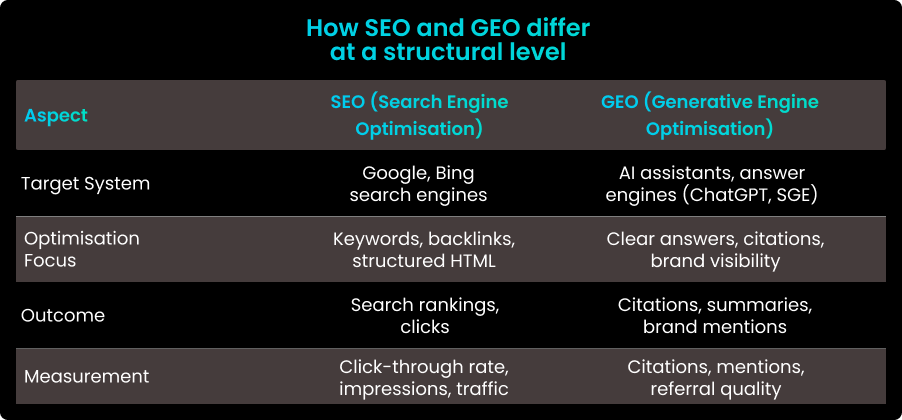
SEO has always been about securing top positions in search results. It relies on well-structured content, good linking practices and a strong understanding of what people are searching for. A successful SEO effort shows up as increased rankings, more organic traffic and a higher click-through rate. GEO, in contrast, focuses on positioning your brand inside the answers themselves. It is about being quoted, referenced or summarised when AI tools respond to user questions.
Picture it this way. SEO aims to get your article on the first page of Google. GEO works to get your explanation featured in a ChatGPT answer or Perplexity response. With SEO, your blog post about electric vehicles might climb to the top of search results. With GEO, a sentence from that same post could be used directly in an AI-generated overview that explains how electric vehicles work. In both cases, your content works. The visibility just shows up in different places.
Understanding the strengths of each strategy helps frame how content should be created, structured and distributed. As users shift from clicking to reading answers, brands need to adjust their methods for being seen.
How Engines Surface Results | GEO vs SEO
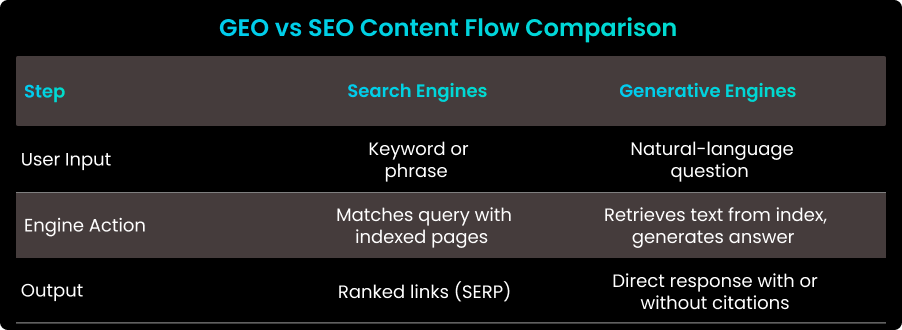
Every digital engine has its own way of deciding what content gets surfaced. Traditional search engines like Google and Bing work through crawling, indexing and ranking. They scan your website, sort it into categories and assign value based on authority, speed, structure and other signals. Generative engines, on the other hand, pull in content only when they are asked a question. Their process is less visible, but the signals they use are beginning to take shape.
Google’s search algorithm relies on well-known elements. Relevance to the query, freshness of the content, page experience, backlink profiles and E-E-A-T (expertise, experience, authoritativeness, trustworthiness) all play a role. These systems reward consistent structure, high readability and original content that answers specific user needs. When done right, SEO helps a page climb search rankings and drive traffic.
Generative engines follow a different path. When a user asks a question in AI tools, the system retrieves supporting information from a wide index and generates a response based on what it deems useful. This process is known as retrieval-augmented generation. The content it pulls in may not be ranked in the traditional sense. It is selected for clarity, trustworthiness and how easily it fits into a synthetic response. Citations are sometimes included, particularly when answers draw directly from websites or sources with recognised authority.
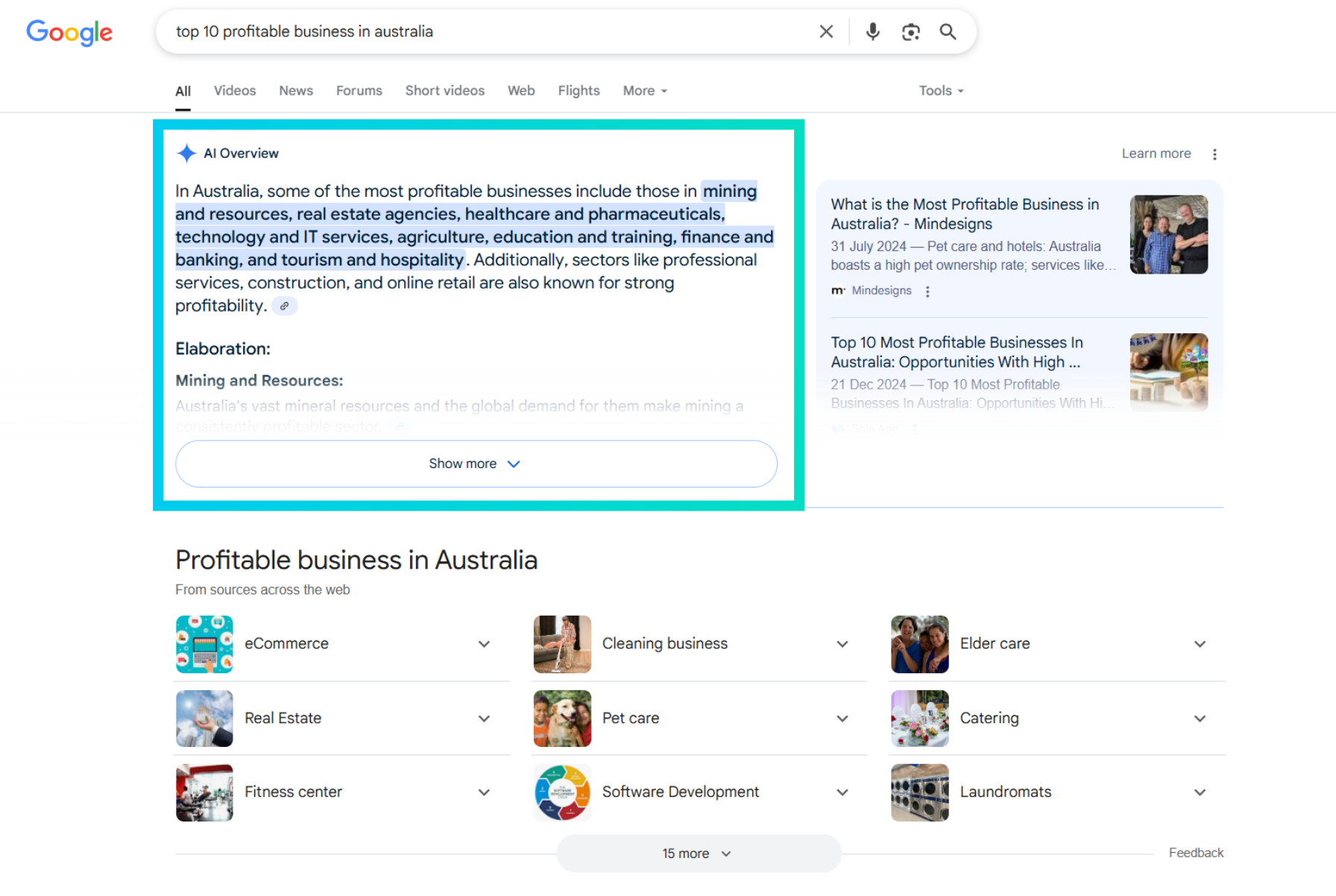
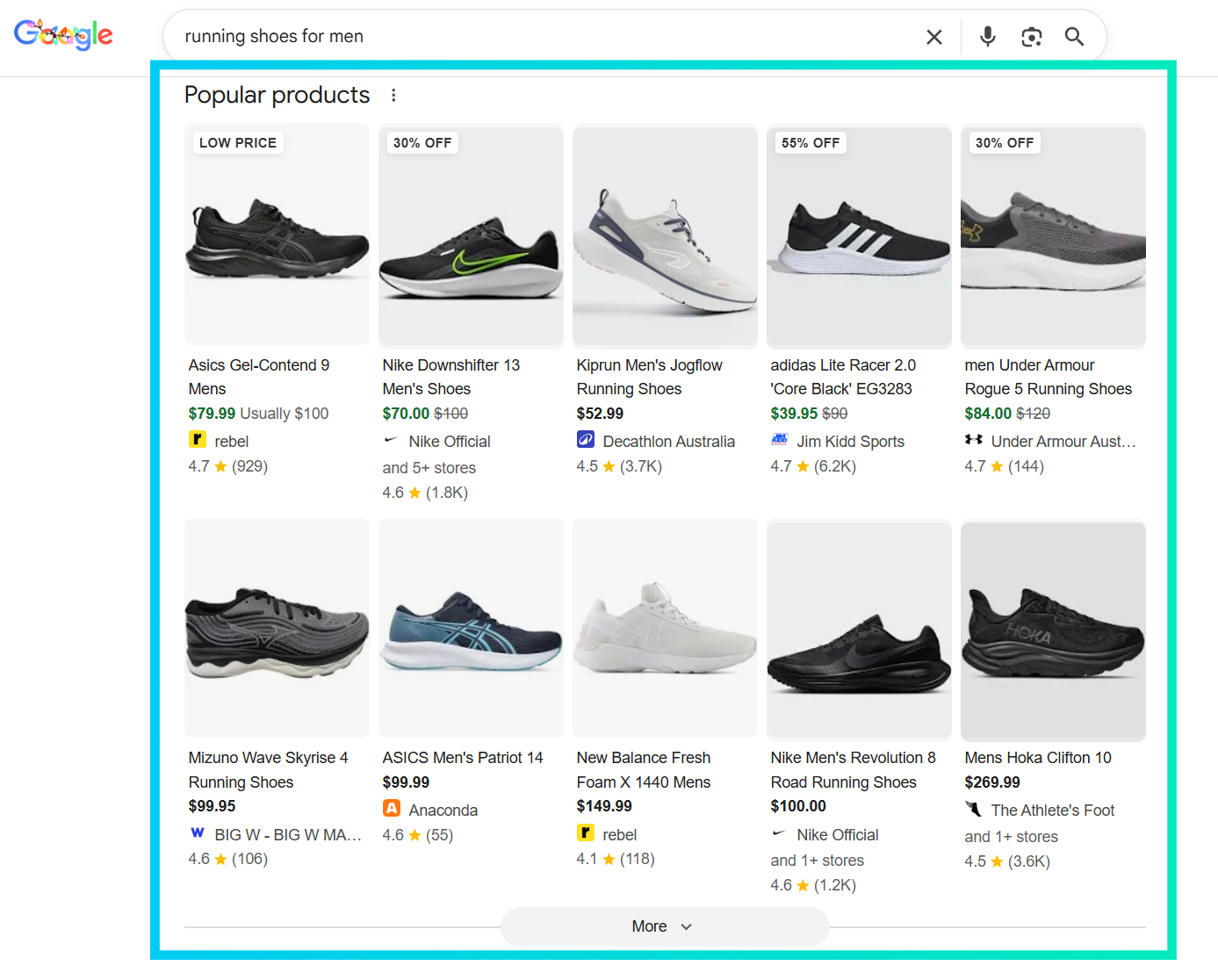
Here’s how people usually conduct web searches and this is how Google usually responds –
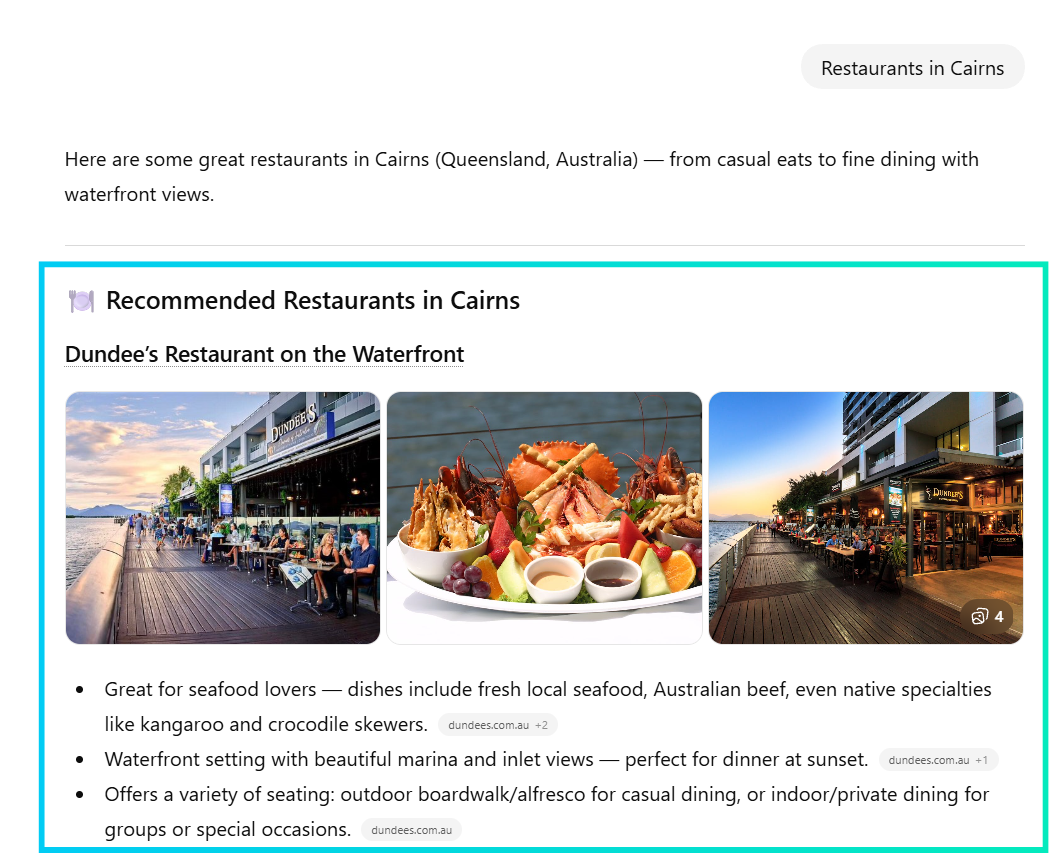
And here’s how people usually talk to generative engines and how ChatGPT responds –
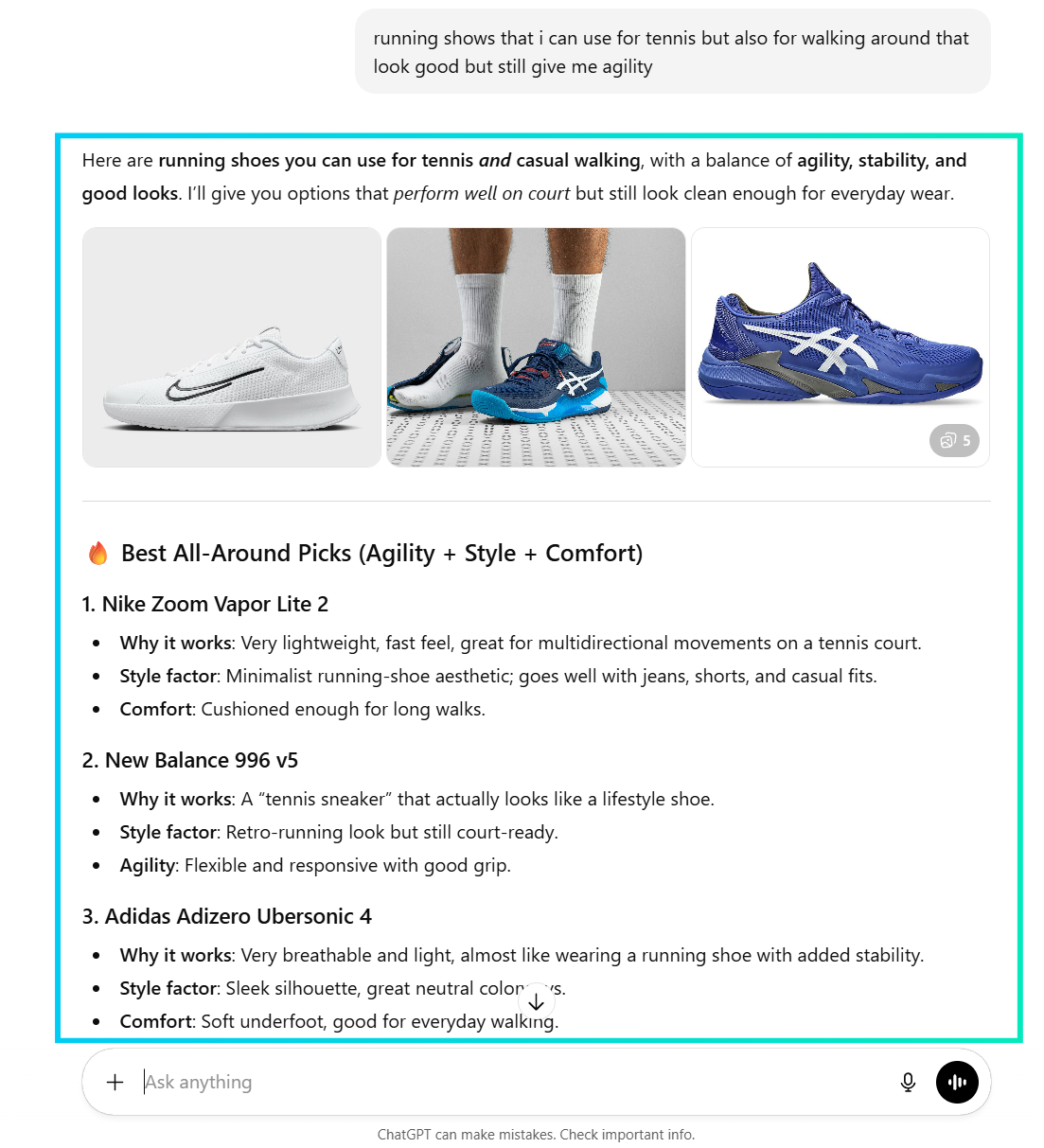
Aligning content with how each system retrieves and presents information allows businesses to position themselves where it counts. Visibility now depends on the ability to surface in both result types. This requires different techniques, but the foundation often begins with the same material. What changes is how you build on it. In generative platforms like ChatGPT, users can go a step further by asking where the response came from. The model will often list multiple sources it pulled from, articles, business listings, government sites, and explain why it used them. This makes it even more important for your content to be cited-worthy, structured clearly, and aligned with the kinds of answers users are seeking.
What Marketers Need to Shift from an SEO to GEO Mindset
Marketing teams used to work from a single blueprint when it came to content visibility. That blueprint still matters, but it is no longer enough on its own. To stay visible across both traditional search engines and generative platforms, marketers need to approach content from two angles. Some techniques remain critical. Others need a fresh perspective shaped by how large language models retrieve and reuse information.
Here is what continues to matter from the SEO playbook
- Strong page structure with clear headings and metadata
- Fast, mobile-optimised websites
- Backlink strategies from reputable domains
- Clear internal linking that improves site navigation
- Quality content that maps to specific search intent
A GEO mindset calls for an added layer
- Content that answers questions in a direct, extractable format
- Use of schema markup (FAQ, HowTo, Article) to support structure
- Author pages that build trust and demonstrate expertise
- Compact, quotable explanations that LLMs can easily pull into answers
- Consistent brand mentions across third-party platforms
- Strategic placements in directories, media outlets, and niche sites
- Collaborations, PR campaigns, and guest features that expand your digital footprint
- A proactive social content engine that reinforces topical relevance and public authority
Generative engines gather signals from across the web. They look at how often a brand appears, how others reference it, and where it shows up. A strong off-site presence boosts the chances of being included or cited in AI-generated answers.
When layered correctly, these strategies work in tandem. The three-tier visibility model offers a practical way to approach this:
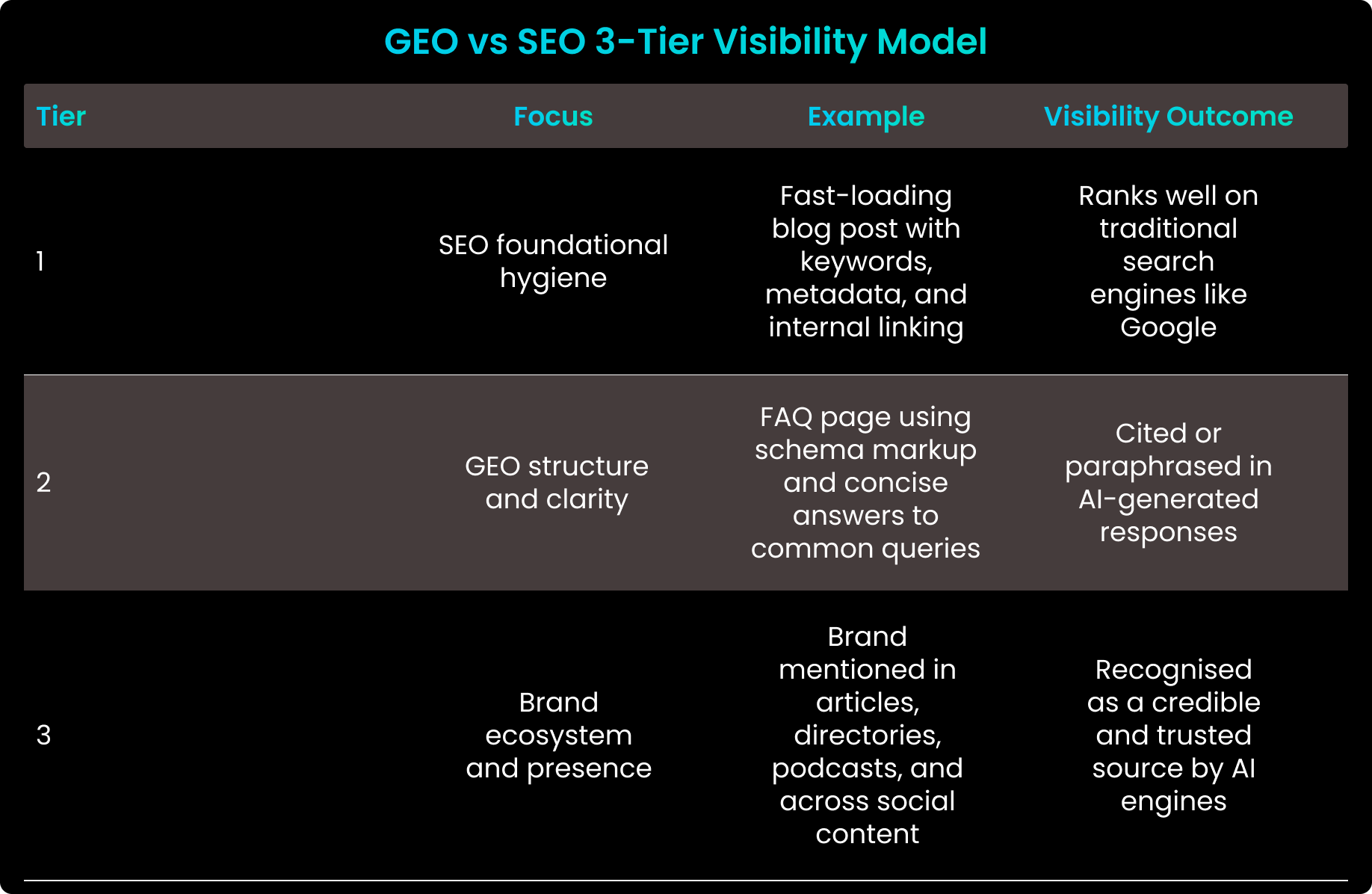
Generative platforms often rely on how well content can be understood in isolation. A clean question-and-answer format makes it easier for the engine to interpret and present your content. Adding schema helps reinforce the structure. Using short, punchy definitions or insights increases the chance of being cited. Even small formatting changes, like bolding subheadings or front-loading summaries, can influence how content is ingested.
Outside your website, the broader brand ecosystem plays a growing role. Mentions on podcasts, transcripts on YouTube, reviews on third-party platforms and interviews in trade publications all contribute to how engines evaluate presence and credibility. These signals often appear in the model’s training data or retrieval set. Managing this ecosystem is now part of visibility.
Staying Discoverable in the Age of AI Answers
The arrival of generative search is not a signal to abandon what has worked so far. SEO remains essential. It continues to drive discoverability through rankings, structured content and technical optimisation. GEO simply expands the playing field. It opens new lanes for content to appear in conversations, summaries and AI-generated guidance. These channels are growing quickly, and they are becoming influential touchpoints in how people evaluate brands, make decisions and share information.
For marketing leaders, the goal is to meet users where they are, regardless of the interface. Generative engines should be seen as additional distribution layer, opportunities to deliver value through clarity, authority and structure. When your content is formatted with purpose and your brand appears consistently across trusted spaces, you become part of the new conversation. AI engines do not cite by accident. They reflect patterns and relevance shaped by what is already present across the web.
Now is the time to adapt. These systems are still evolving. The brands that act early can shape how they are interpreted by models tomorrow. GEO does not require starting from scratch. It asks for a close look at what you already have, and a willingness to reshape it with precision. SEO gave your brand a voice in the search era. GEO gives it presence in the answer era.
If you are reassessing your search and visibility strategy and want a clearer path forward, let us connect. We would be glad to explore it with you.