For Marketing Leaders
Last updated August 2026 — added agency examples and an SEO section.
We’ve published feature-style articles for B2B clients in cybersecurity, education and business broking. The pattern we see: the pieces that rank aren’t the best-written ones, they’re the ones with something in them nobody else has — a client interview, an internal number, a real before-and-after. When we rebuilt OES’s content this way, organic sessions went from 15,000 to 40,000 a year. Generic advice articles on the same site did nothing.
Curious about how to write a feature article that grabs attention?
Check out this simple guide to help you get started. It also includes secret tricks to boost SEO and maximise the attention of your readers.
Deconstructing the Feature Article Style
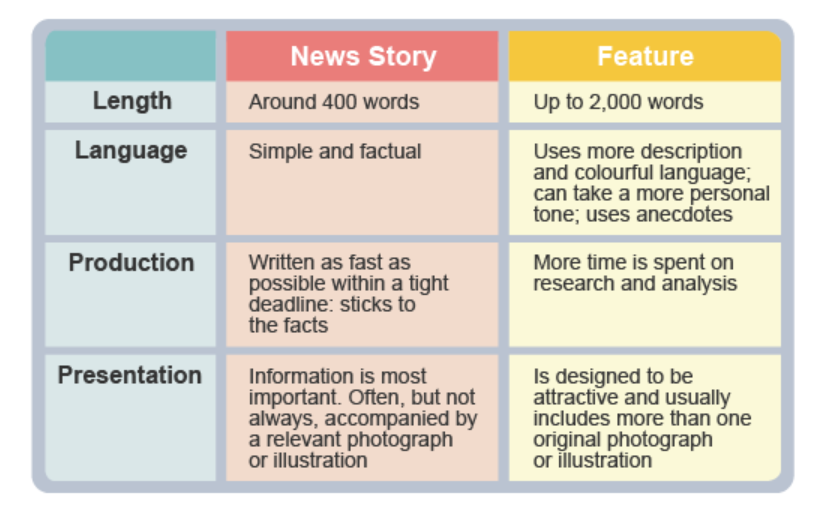
A feature article is an in-depth, non-fiction written piece that goes beyond a standard news story, offering a deeper exploration of a topic, person, place, or trend to captivate the reader’s interest. Unlike news stories that focus on “who, what, when, where, and why,” a feature article delves into the “how” and “so what?”
Feature articles are notable for allowing more creative freedom in their writing. They can incorporate interviews and anecdotes and even use descriptive language to paint a vivid picture. They are written to inform, entertain, or engage readers, to capture their attention and even stir emotions.
Feature writing is a great way to connect with consumers in digital marketing through brand storytelling. You can weave this strategy into your digital campaigns as well. By sharing quotes, statistics, or anecdotes that resonate with your audience, you can spark conversation and improve your brand’s awareness.
Additionally, learning how to write a feature article that is rich in relevant keywords and information can significantly increase organic traffic from SEO and brand visibility – an obvious win for your business.
Different Types of Feature Articles
Now that you know what a feature article is, let’s explore the different types so that you know how to write a feature article that can be useful for your growing business:

Learning about the who’s who: The Profile Feature
Dive deep into the life and work of a person of interest. This type of feature is more than just the biographical details, it offers a glimpse into the person’s motivations, challenges, and achievements.
Through interviews, anecdotes, and vivid descriptions, the profile feature paints a compelling portrait that resonates with the reader.
Help readers understand the complex: The Explainer Feature
Complex topics can leave readers feeling lost, and explainer features are convenient write-ups to help them understand.
This format tackles intricate subjects and breaks them down into digestible pieces. Explainer features (example) make use of clear language, analogies, and even visuals to make the topic accessible to a broader audience so they can empower readers with a newfound understanding.
Putting a spotlight on the latest: The Trend Story
Feature articles can capture the essence of an ever-changing environment. Trend stories (example) explore newsworthy developments or social movements, adding context and analysis.
This type of feature examines the “why” and “how” behind these trends to spark interest and prompting reflection on their potential impact.
Developing a Feature Article Idea
When learning how to write a feature article, the most powerful tool isn’t a fancy platform or an AI language model—it’s the blank page in front of you. That blank page offers infinite possibilities.

Here’s how to use it to your advantage.
Option 1 – brainstorming
What ignites your curiosity? Your interests and expertise can be a springboard for captivating topics. If you want to focus more on gaining traffic, you can take a look at current events or social media trends. Is there a story waiting to be explored?
Semrush is also a great option if you are more focused on SEO. By exploring keyword ranking and statistics, you can brainstorm while also looking for juicy keywords that you might be able to rank for organically.
What about your business? Are there areas in your field or others where clarity is needed? Explainer features can bridge these gaps.
Remember to think about who you are writing for. Understanding the interests of your target market allows you to tailor your topic to resonate with them, too.
Option 2 – Move past your writer’s block
If a brainstorming session does not work, think outside the box. Do mind mapping to connect different ideas or do freewriting sessions where you write without self-editing. This is a good way to find unexpected ideas.
Find an interesting topic online, you never know what hidden gems you get to unearth.
Option 3 – Find a Unique Angle
If you want to focus on how to write a feature article for your business, consider your brand’s audience and their online interests.
For instance, can you offer a counter-narrative or explore under-reported aspects of a topic? This fresh perspective is usually very powerful.
How will your feature article create curiosity within your reader? Think of a good angle that will grab their attention.
Doing Your Article Research
A strong feature article is built on a solid foundation of research. Gather the information you need.

Read, then read some more
If you want to learn how to write a feature article, you have to read — a lot. Read different feature articles on which you can build your own article.
Explore industry blogs and social media trends to stay informed. These platforms can reveal audience interests and spark new ideas.
Learn from your competitors! Look into what made their articles click and analyse successful features in your niche.
Fact-check
Be transparent about the data and statistics you use. Cite your sources when you can and ensure their validity. Always attribute quotes and information correctly. There’s a wealth of knowledge available online, but use it ethically, and always remember to fact-check at least once or twice.
Arrange an interview (if possible)
Identify individuals with expertise or firsthand experience relevant to your topic. Seek diverse perspectives to enrich your narrative. Go beyond the basics and prepare questions that delve deeper, so you can elicit insightful responses.
Don’t just drop quotes in, create them yourself.
How to write a feature article from scratch
Once you’ve gathered your research, it’s time to translate your data. Build your content.

Here’s how to write a feature article :
Step 1: Build the blueprint. Develop a clear thesis statement that will serve as your article’s central argument or main point. Then, create an outline that maps the flow of your information.
Step 2: Craft the hook. Grab your reader’s attention from the very first sentence. Use a powerful anecdote, a thought-provoking question, or a surprising statistic to set the stage for your feature.
Step 3: Form the body. Don’t just tell, show! When writing the body of your article, back up your claims with concrete evidence, data, and real-life examples to keep your reader engaged.
Organise your data logically and ensure a smooth transition between ideas. Each paragraph should focus on a single point that supports your overall thesis.
Don’t just fade out. End your feature by summarising your key points and leaving the reader with a lasting takeaway or call to action.
Enhancing Your Article
Good headlines and high-definition photos add a kick to your article.
A good article starts with a good headline. Your headline is like a storefront window that entices readers to step inside. Most newspapers or websites have a specific character count for their headlines, so make it as clear and concise as possible: your readers should learn the essence of your article at a single glance.
For digital articles, don’t forget your SEO! Integrate relevant keywords strategically to improve discoverability.
Most people are visual learners; don’t forget to add photos! A picture is worth a thousand words, and visuals can elevate your feature to new heights.
However, if you’re going to add photos, make sure that you invest in high-quality visuals – whether they are images, infographics, or videos!
Use these visuals strategically to break up text and add interest. Make sure they are relevant to your article to complement your content and allow the readers to enhance their understanding of your article.
Proofreading, editing, and publishing
Edit your work ruthlessly! This means checking for clarity and coherence and ensuring your writing style matches your target audience.
Proofread meticulously for any typos, grammatical errors, or formatting inconsistencies.
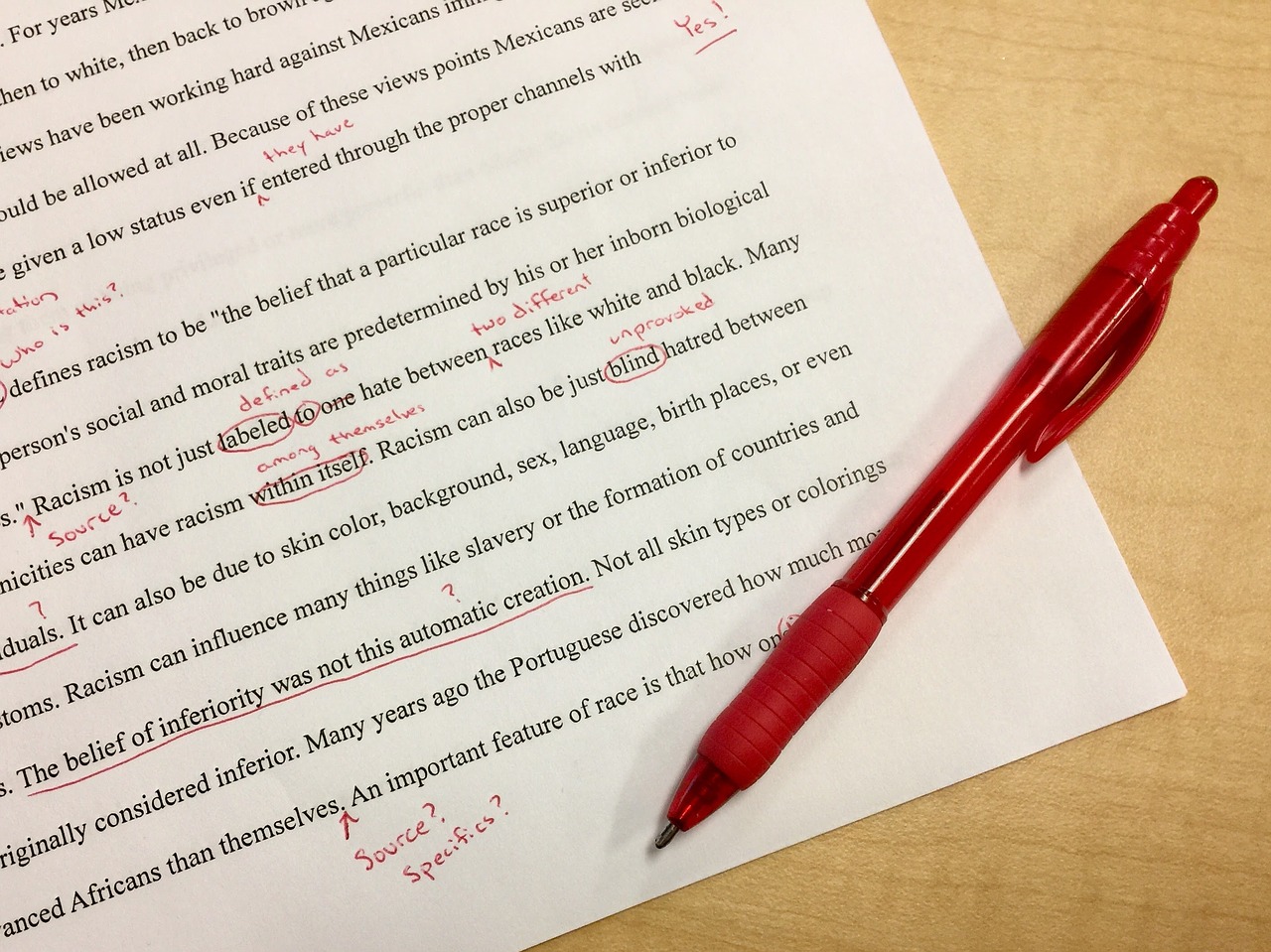
Even the most brilliant feature can be tarnished by typos and grammatical errors, and you don’t want that to happen to yours.
Ensure your article is well-organised and easy to follow. Use transitions to guide your reader through the flow of ideas. Avoid redundancy and unnecessary jargon.
Every sentence should contribute to your central point. If it doesn’t, consider trimming the fat by cutting out unnecessary information – entertain, but make sure that your article holds value. An anecdote may be funny, but does it really matter in the story you’re selling?
After you edit, it’s time to publish.
How to make a feature article rank
A feature article earns rankings differently to a service page. There’s no keyword to match exactly and no buying intent to satisfy. You’re competing on whether your piece is the most complete, most quotable answer on the topic. Four things move the needle.
Answer the question in the first 60 words of each section. Language models and AI Overviews lift self-contained passages, not whole articles. If your H2 asks something, the paragraph underneath it should answer it before it starts explaining. Save the storytelling for the sentence after.
Cover the full entity set, not just the keyword. For a topic like this one, that means feature article vs news article, profile features, explainer features, trend stories, structure, length, and the pitching process. Miss a sub-topic and you’ve handed a competitor the reason to outrank you on completeness.
Add Article schema with a real author. Mark up the author as a Person with a sameAs link to their LinkedIn and a working author page. This is the difference between “some blog said this” and “a named practitioner said this” when a model decides who to cite.
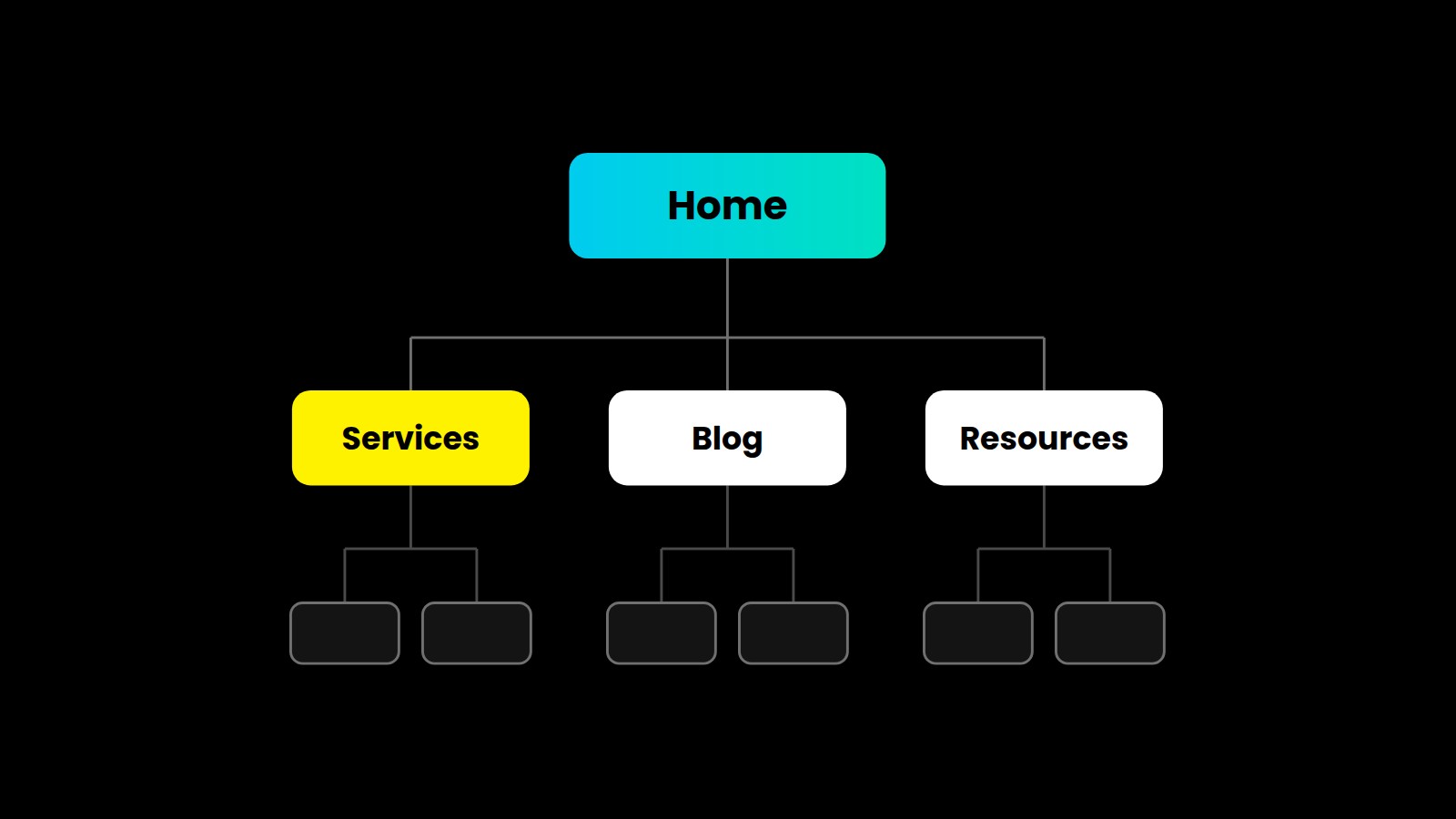
Link it into the rest of your site. An orphaned feature earns nothing. Point two or three related posts at it with descriptive anchor text, and link it forward to the commercial page it supports.
We do all four as standard. It’s part of how we run SEO services in Australia. If you’d rather not think about entity coverage and schema every time you publish, that’s our job.
Feature article FAQs
What’s the difference between a feature article and a news article?
A news article reports what happened, who, what, when and where, as quickly and plainly as possible. A feature article assumes you already know what happened and spends its length on how and why it matters. News is written to be skimmed. A feature is written to be finished.
How long should a feature article be?
Most sit between 1,200 and 3,000 words. Print magazines run longer, online features shorter. Length should follow the depth of your research, not a target. A 1,200 word piece with an original interview beats a 3,000 word piece padded with definitions.
What structure does a feature article follow?
A hook that earns the next sentence, a nut graf explaining why the story matters, a body organised around a single thesis with evidence for each point, and a kicker that lands the takeaway. Unlike news, a feature doesn’t front load everything. It holds detail back to keep readers moving.
Can a feature article help SEO?
Yes, but indirectly. Features rarely target commercial keywords. They earn links and citations because they contain something original, whether that’s an interview, a proprietary number or a first hand account, and those links lift the pages around them. A feature written purely for keywords usually gets neither.
Your captivating feature deserves a platform to shine! Find relevant publications and online platforms that align with your topic and target market but don’t make it into a one-size-fits-all article.
Tailor your pitch to each platform, highlighting why you think your feature is a perfect fit for their audience. Once you have a publisher, leverage social media to gain a wider reach and remember to engage!
If getting more traffic is one of your long-term goals, contact us now for SEO services that can help you get a jump start.