For Marketing Leaders
Most “how we scaled a business” stories skip the boring part. They show you the end results, but not the five years of disciplined, hard work that made it all possible.
This article does the opposite. We’re going to hand you the actual blueprint, the same one we at Mindesigns built over a five-year partnership with Sell Gold Sydney, and we’re not going to pretend there was a shortcut. There wasn’t. There almost never is.
By the end, you’ll know exactly what we changed, in what order, and why each move compounded into the next. No secret growth hack. Just a system, applied patiently and by the book.
Stop the Leak Before Spending More
When Sell Gold Sydney came to us, the instinct most businesses have was already in play. Get more traffic. But more traffic into a leaky funnel just means you lose money faster. Their site was slow, outdated, and gave visitors no clear next step. They were paying for clicks and watching them evaporate.
So before we touched the top of the funnel, we fixed the bottom of it.
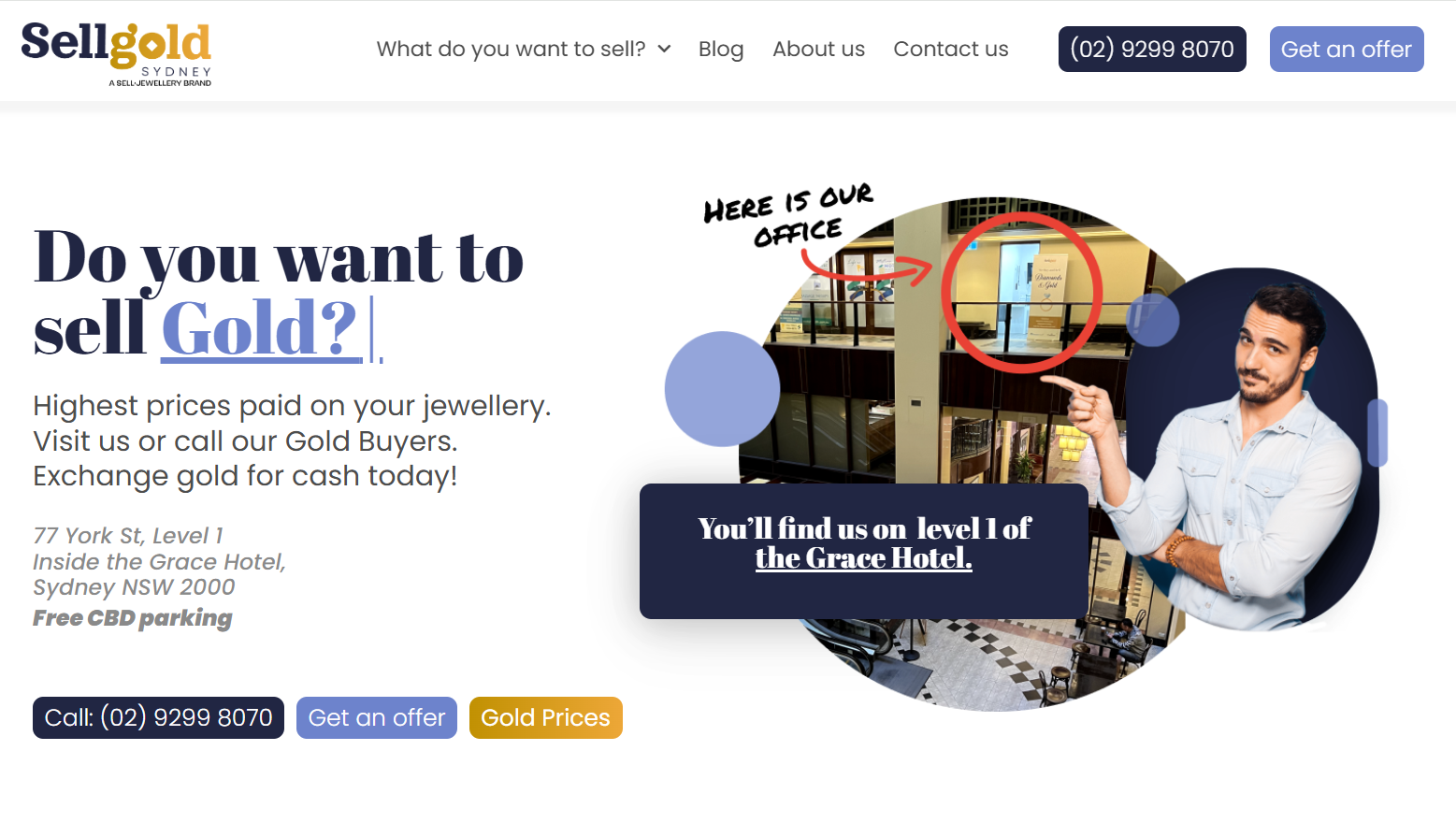
We rebuilt the brand identity first, redesigning the logo to signal the professionalism and trust a high-value transaction demands. That became the foundation for a completely rebuilt website, engineered for speed, mobile usability, and one job above all.
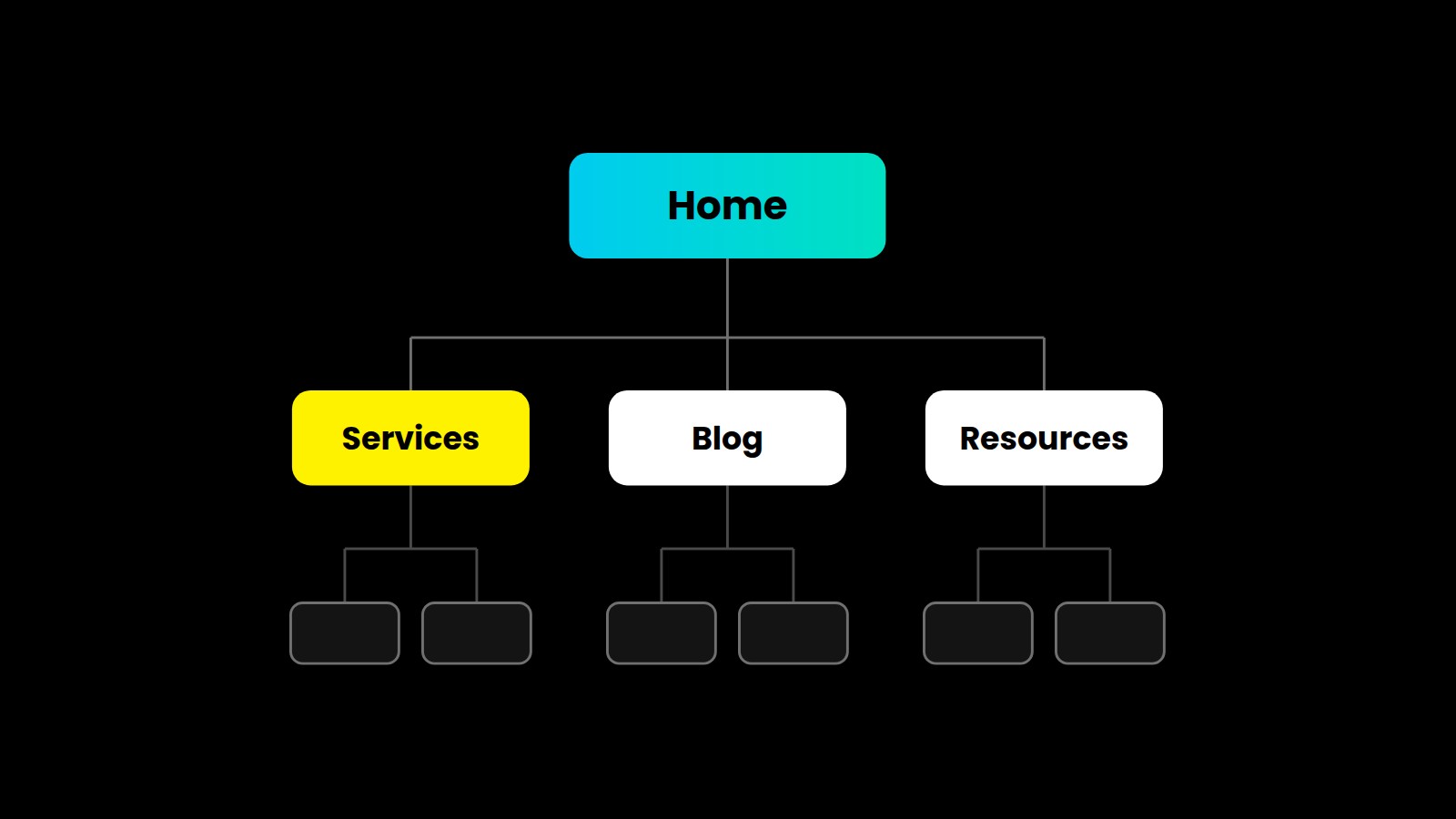
Turning a visitor into a lead. We restructured the entire site and built dedicated landing pages around high-intent search terms like “sell gold Sydney” and “cash for gold near me.”
Then we gave visitors somewhere to go. A custom Gold Price Calculator delivered real-time estimates while capturing details for a quote. An exit-intent pop-up caught their interest before they left. A simplified “Call Us” prompt made direct contact effortless. Every one of these was wired into event tracking in Google Analytics, so for the first time, the business could actually see what was working.
The result of fixing the leak first, before spending a dollar more on traffic:
- Tracked conversions up 274%
- “Call Us” events up 88.5%
- Form submissions up 104%
- Over 620 leads captured by the pop-up alone, from people who would have otherwise bounced
The website stopped being a digital brochure and became a lead-generation engine.
Then, and Only Then, Turn Up the Tap
With a site that converted, more traffic finally made sense, because now it had somewhere to land. This is where good Google Ads practice and disciplined SEO did their work.
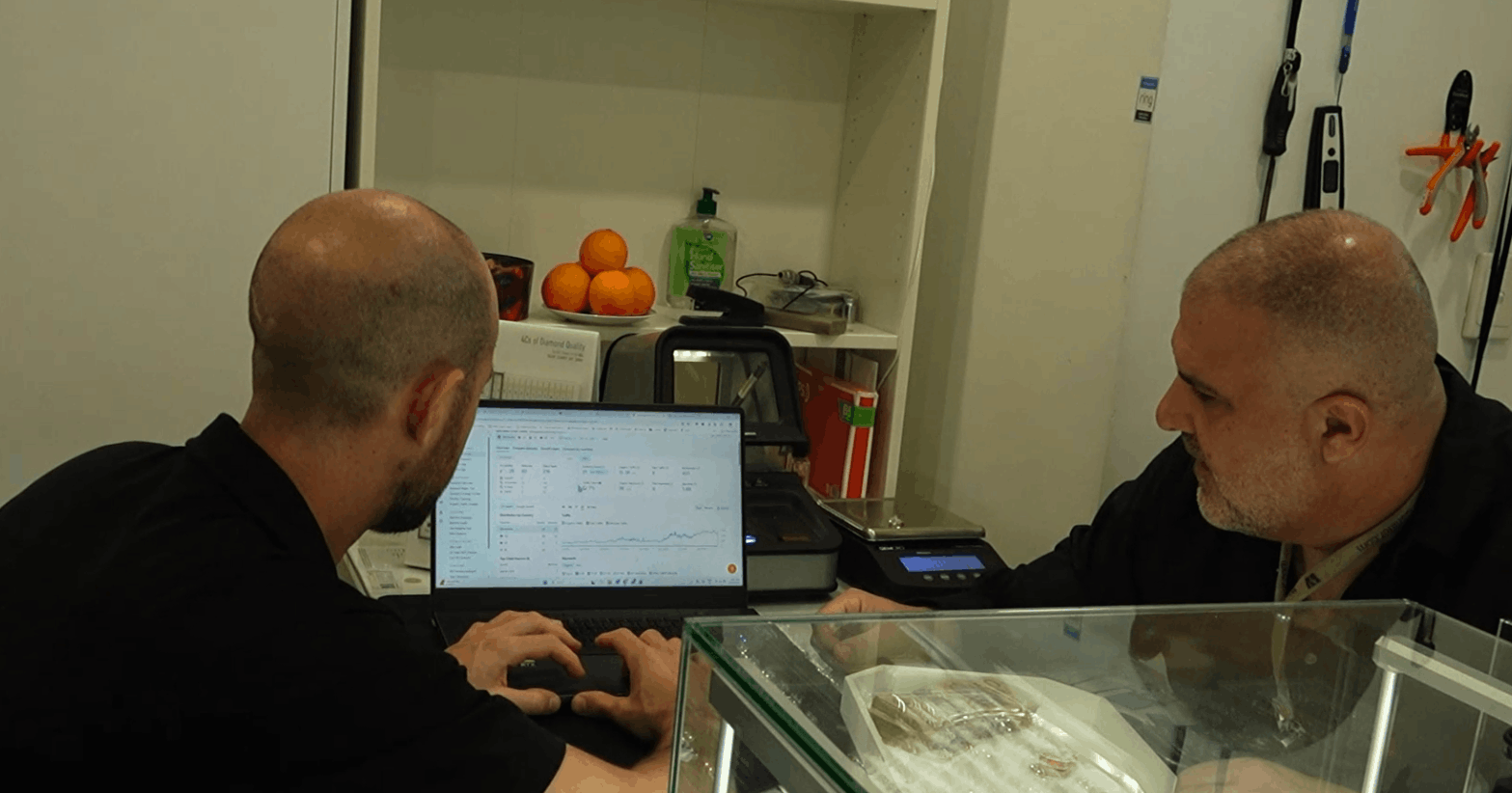
We didn’t chase clever tricks. We followed Google’s guidelines for SEO to the letter, ranking the right pages for the right high-intent keywords, and we paired the paid campaigns with the same conversion-focused landing pages we’d built into the site.
Better targeting, cleaner tracking, and a funnel that no longer leaked meant every dollar of ad spend worked harder.
Over the partnership:
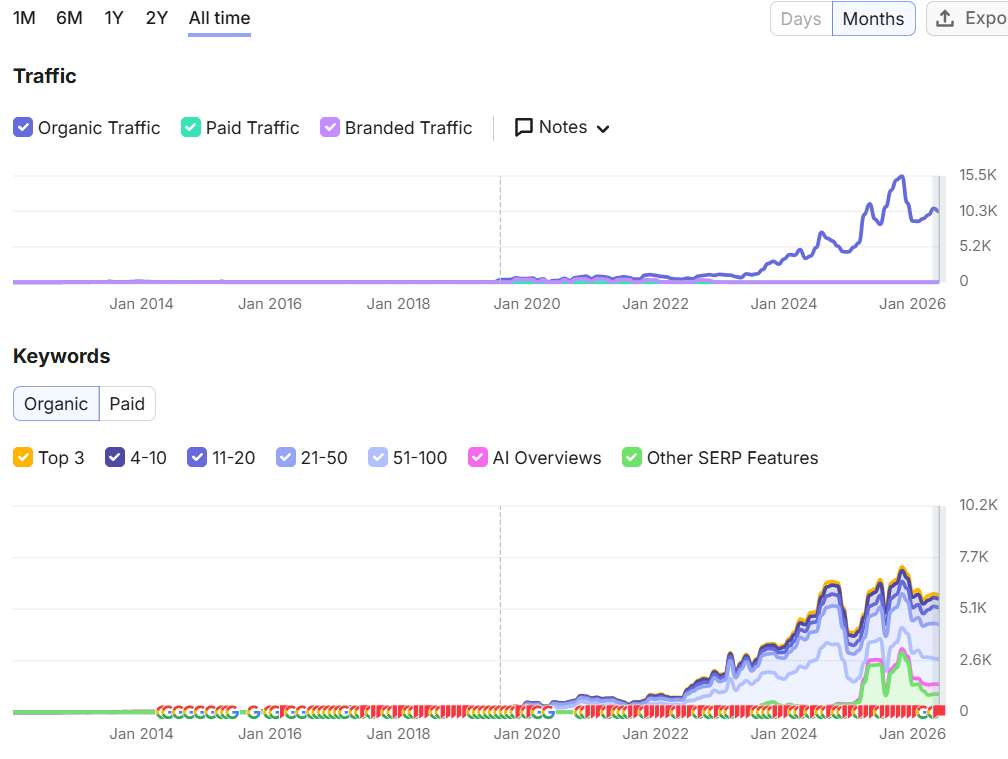
- Website sessions grew 74%, from 60,000 to over 105,000
- Organic search brought in an extra 40,000 sessions, proving the site was ranking for terms that mattered
- The paid campaign delivered a 560% return on ad spend, the highest-recorded quarter in the business’s history
- Returning visitors more than doubled, a sign the brand was building real momentum, not just renting attention
Notice the order. Conversion infrastructure first, traffic second. Reverse it, and you simply pay more to lose more.
Once Leads Pour In, Fix the Engine Room
Here’s the part of scaling almost nobody talks about. Leads are only valuable if you can manage them. As volume climbed, Sell Gold Sydney’s sales were still being run out of spreadsheets, the same way thousands of growing businesses quietly cap their own growth without realising it.
Spreadsheets don’t scale. They lose follow-ups, they hide where revenue actually comes from, and they fall apart the moment more than one person touches them.
So we moved their sales operation into HubSpot. Leads now flow from the website straight into a proper CRM, follow-ups are tracked, and the business can finally see its pipeline clearly, from first click to closed sale. Marketing and sales stopped being two disconnected halves and started working as one system.
That’s the difference between generating leads and actually growing revenue from them.
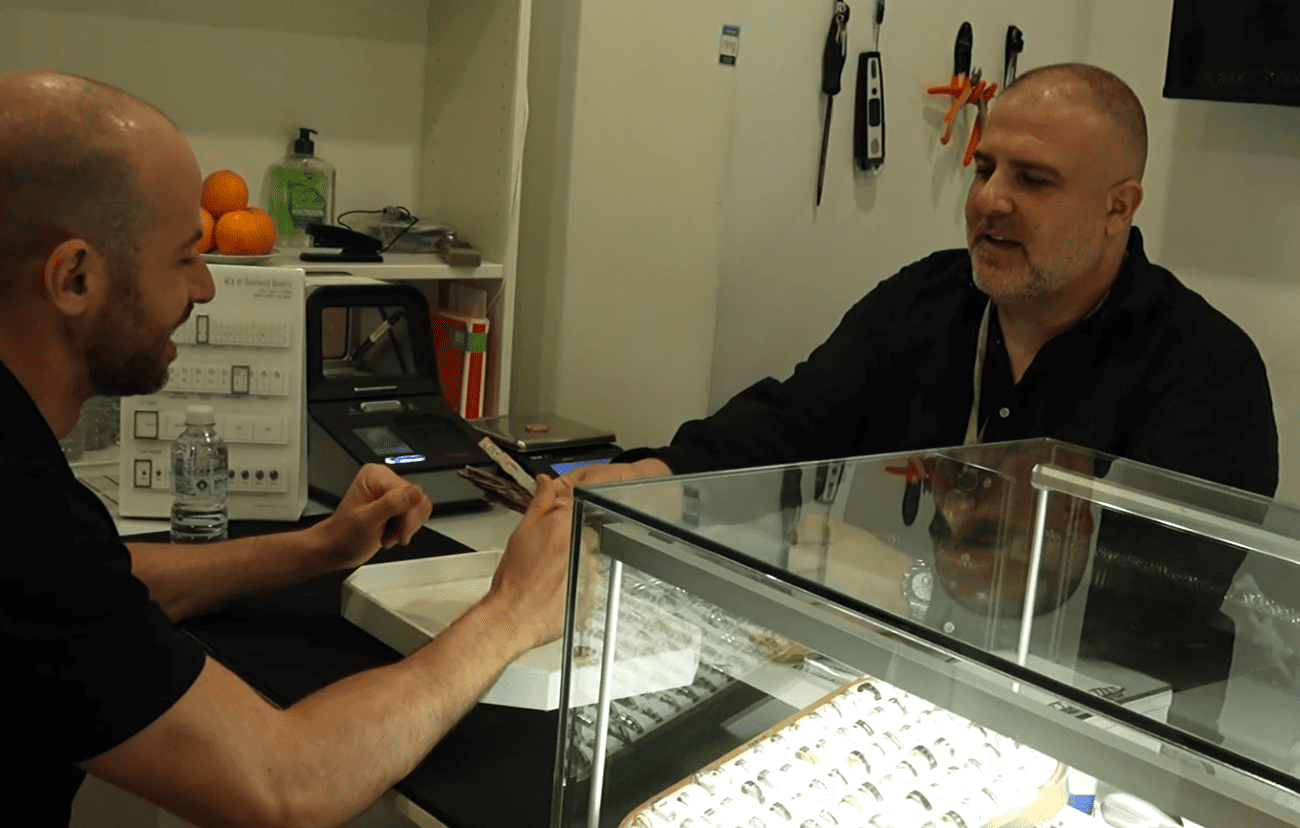
“Partnering with Mindesigns is the best business decision I have ever made.” – Ibrahim Barakat
The Blueprint, in One Glance
Strip it all back, and the path to scale looks like this:
- Fix the leak first. Make the website fast, clear, and built to convert before you spend on traffic.
- Capture intent everywhere. Calculators, popups, and clear calls to action turn passive visitors into leads.
- Measure everything. You can’t optimise what you can’t see, so track the full funnel from day one.
- Open the faucet by the book. Apply solid Google Ads practice and follow Google’s SEO guidelines, no shortcuts.
- Build an engine room that scales. Move off spreadsheets and into a real CRM so leads become revenue.
None of these steps is flashy. That’s the point.
Great Businesses Are Built Slowly, on Good Foundations
It’s tempting to read a 560% ROAS quarter or a 274% jump in conversions and assume there was a single brilliant move behind it. There wasn’t. There was a foundation, laid carefully, then built on year after year. Each fix made the next one possible: a converting site made traffic worth buying, clean tracking made the ads efficient, and a real CRM turned all of it into a business that could actually handle its own growth.

That’s the uncomfortable, liberating truth about scaling to a million and beyond. It isn’t won in a viral month. It’s earned slowly, on good foundations, by doing the fundamentals properly and refusing to skip the boring parts. Do that, and the hockey-stick graph takes care of itself.