For Marketing Leaders
When someone needs a lawyer, what appears in front of them decides which firms they consider. SEO for lawyers is a very common marketing strategy, and it is how your firm can attract more leads. A person facing a property settlement doesn’t browse law firm websites one by one. They search “family lawyer Cairns,” compare the three firms Google Maps shows them, and ask an AI assistant which firm is the best option. Whichever firm appears in those answers wins the enquiry, and the rest never know they missed a client.
We at Mindesigns see this from both offices. Based in Cairns and Sydney, we serve the same regional market as the firms we work with, including Preston Law, one of Far North Queensland’s leading firms, alongside professional services businesses we’ve ranked.
If you’re a partner or practice manager wondering why referrals alone aren’t filling the pipeline anymore, this guide is for you. I’ll cover why legal SEO faces Google’s toughest scrutiny, how the local search engine works for law firms, and what it takes to be the firm AI assistants name when someone asks for the best family lawyer in Cairns.
Why SEO for Lawyers Is a YMYL Battleground
Google doesn’t treat all searches equally. Legal topics sit in what its quality guidelines call Your Money or Your Life (YMYL), the category for searches where a bad result can seriously damage a person’s finances, rights or wellbeing. Content in this tier faces Google’s highest scrutiny. A law firm can’t rank on generic blog posts and keyword stuffing. Google is actively looking for evidence that real, qualified practitioners stand behind the content.
The second obstacle is that firms aren’t only competing with other firms. They’re also competing with legal directories and institutional platforms that sit between a searcher and any individual practice. One example is the Law Society of NSW’s Find a Lawyer register. Every state has an equivalent, and commercial review platforms crowd the results further. Platforms like these carry authority a single firm’s websites will rarely beat head-on. The expert move is to treat them as assets rather than rivals. A complete, accurate law society profile strengthens your own rankings, and it’s a profile most competitors leave half-finished.
The third obstacle is one most SEO agencies have never read. Under Rule 36 of the Australian Solicitors Conduct Rules, a solicitor may not advertise in a way that is false, likely to mislead or deceive, and in the eyes of these rules, your website is advertising. In Queensland, for example, personal injury services can barely be advertised at all, and the fuller statements firms rely on are permitted only on the firm’s own website. Breaches carry real consequences, as one Queensland practitioner learned in February 2026 when he was fined $30,000 over unlawful no win, no fee advertising.
SEO won’t fix a firm with no reviews and no differentiation. What it does is make sure a good firm gets found. That distinction matters for everything that follows.
The Local SEO Engine for Law Firms
Almost every legal enquiry starts as a local search. A person doesn’t just need a family lawyer, they need one they can sit across from in Cairns, Parramatta or Toowoomba, so that’s how they search. Local SEO is how your firm wins those searches, and in our work with local service businesses across Cairns and Sydney, we’ve found it runs on four parts working together.
Complete your Google Business Profile properly
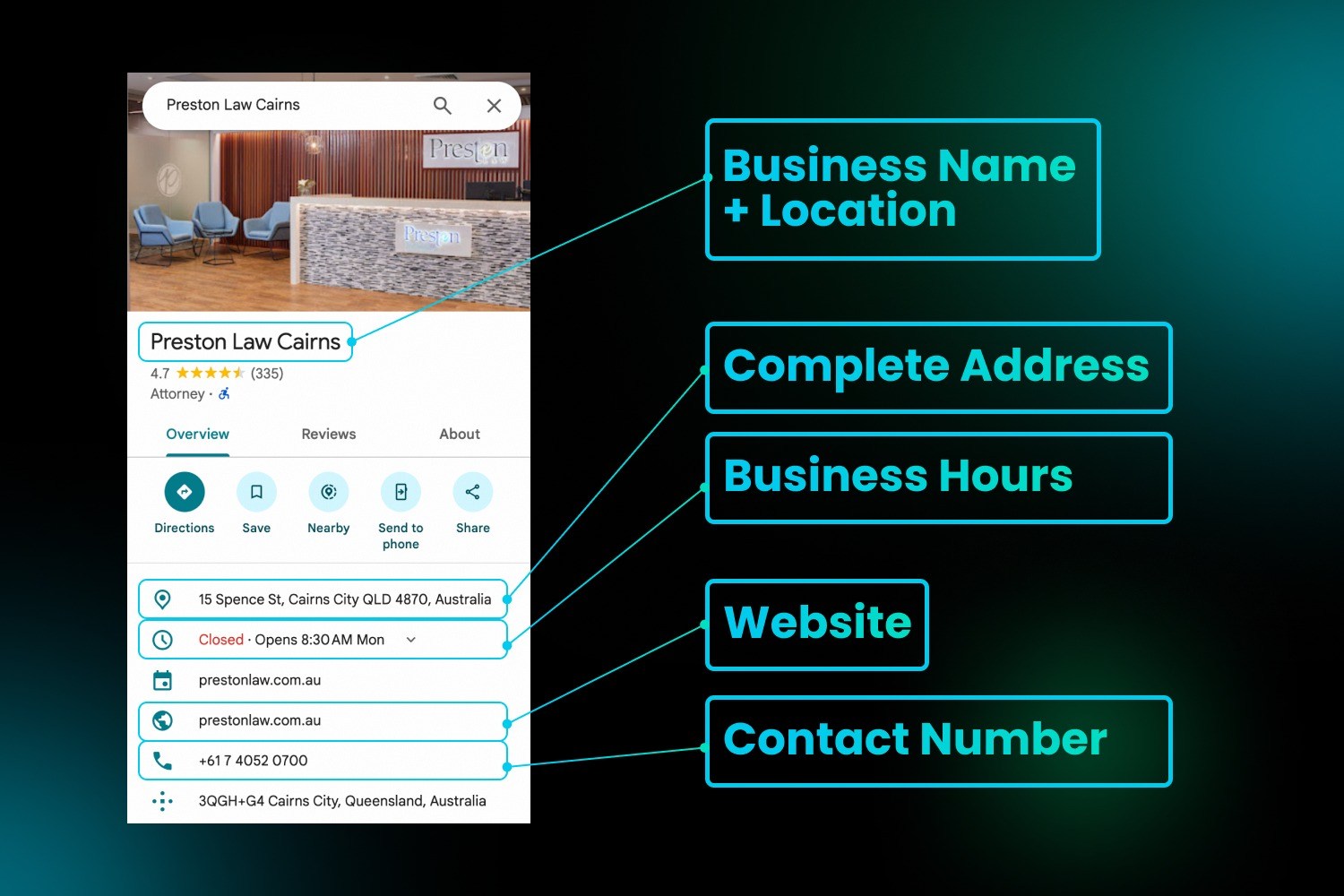
The map results appear above almost everything else for lawyer searches, and your Google Business Profile decides whether you’re in them. A complete, well-maintained profile appears more often, because Google rewards profiles it can trust. Done properly means every field completed, the right primary category for your main practice area, separate profiles for separate offices, and photos of real people and premises rather than stock imagery.
Search for lawyers in Cairns and you’ll see this in action from our client Preston Law, whose offices in Cairns and Townsville each hold their own complete, consistent presence. When we audit local businesses, an abandoned profile is the most common problem we find, which is exactly why maintaining yours is an advantage.
Build one page per practice area, per location
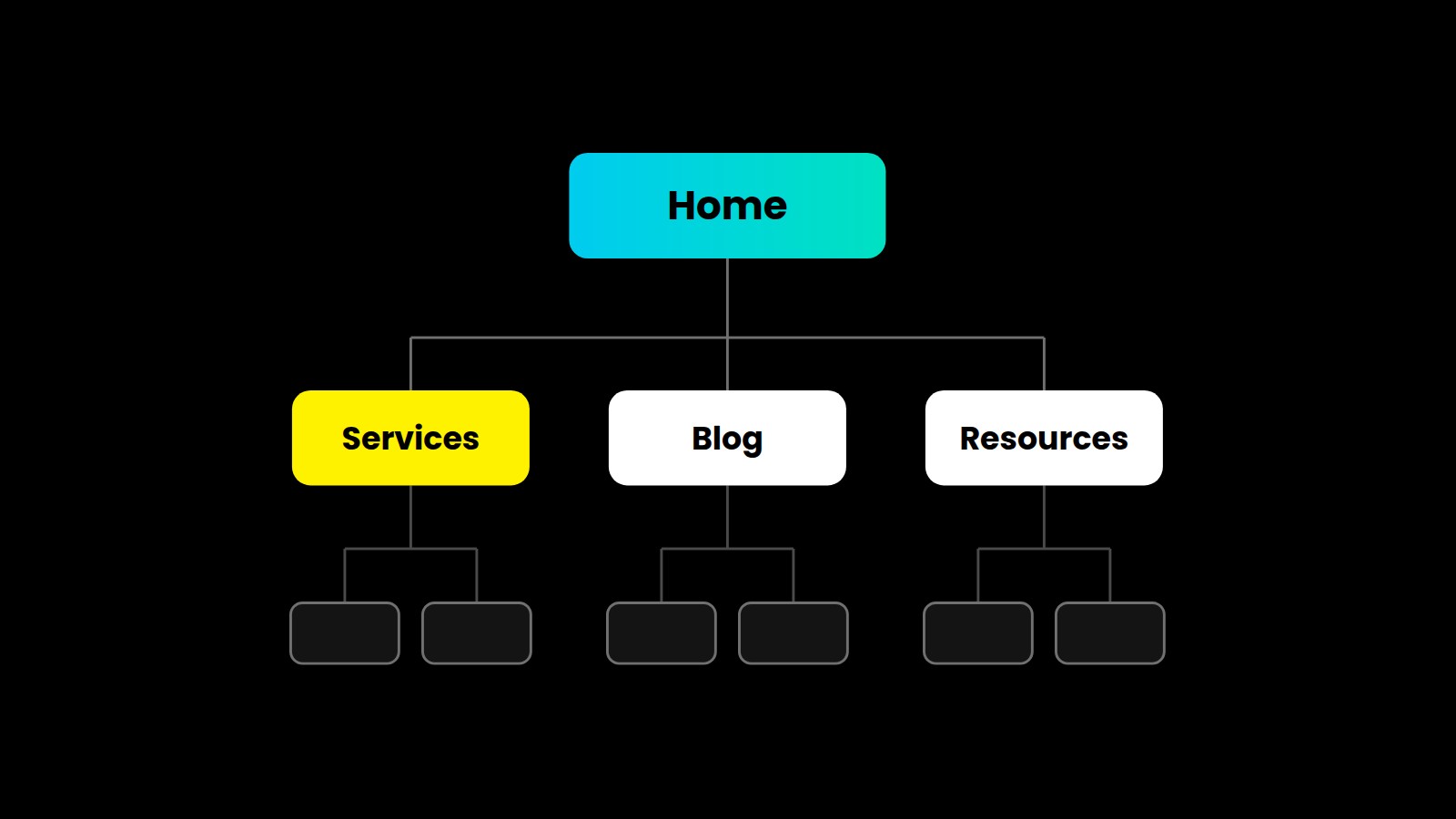
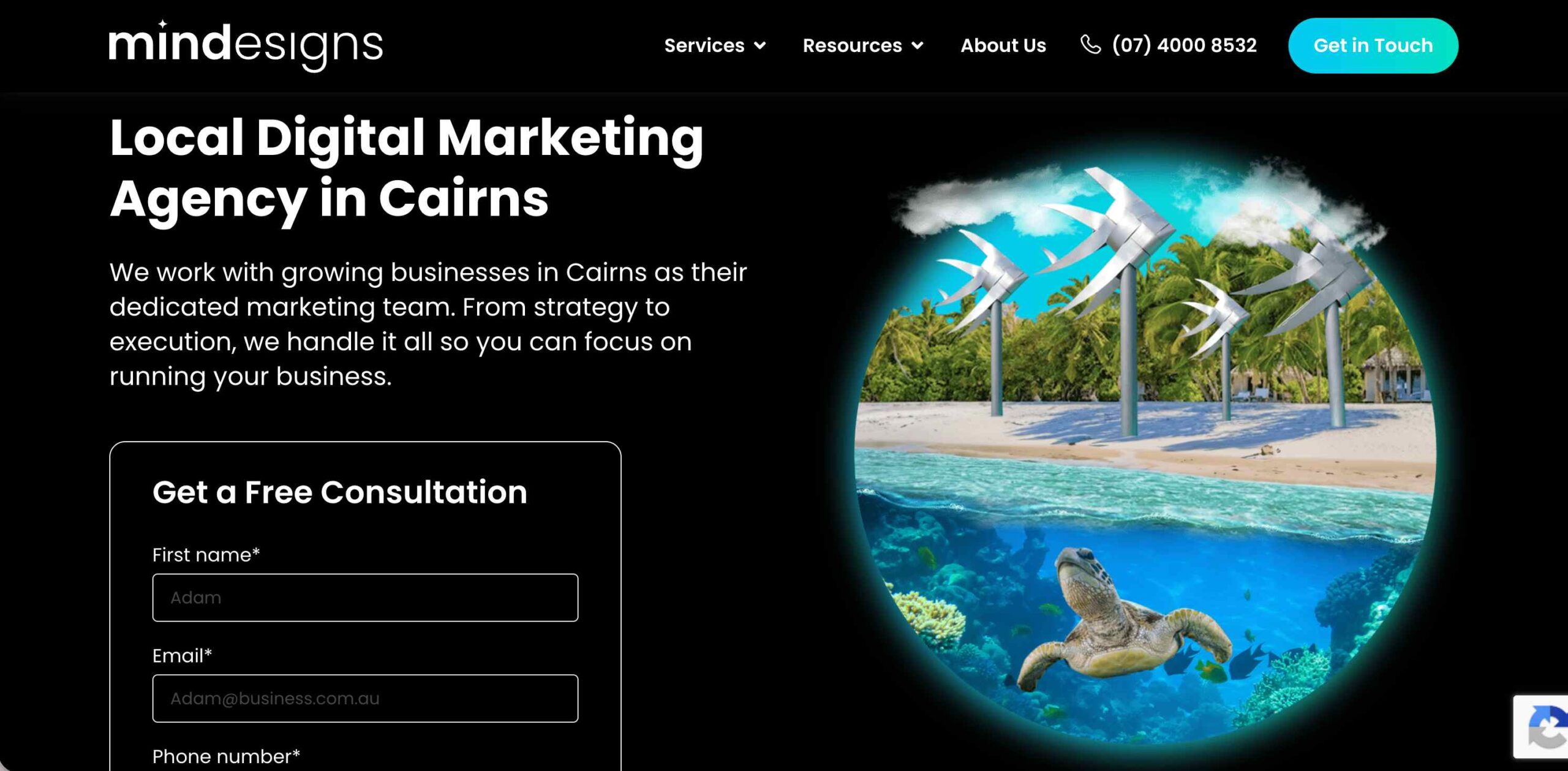
A single “our services” page can’t rank for anything. Family law in Cairns, conveyancing in Cairns and wills and estates in Cairns each deserve their own page, answering what that client asks, including costs, process and timeframes. If you have multiple offices, the structure repeats per location. We follow this structure ourselves; our Cairns location page exists so local businesses can find us. In our experience, this is the largest single piece of work in legal SEO, and the one that compounds most over time.
Ask for reviews in a way that respects the rules
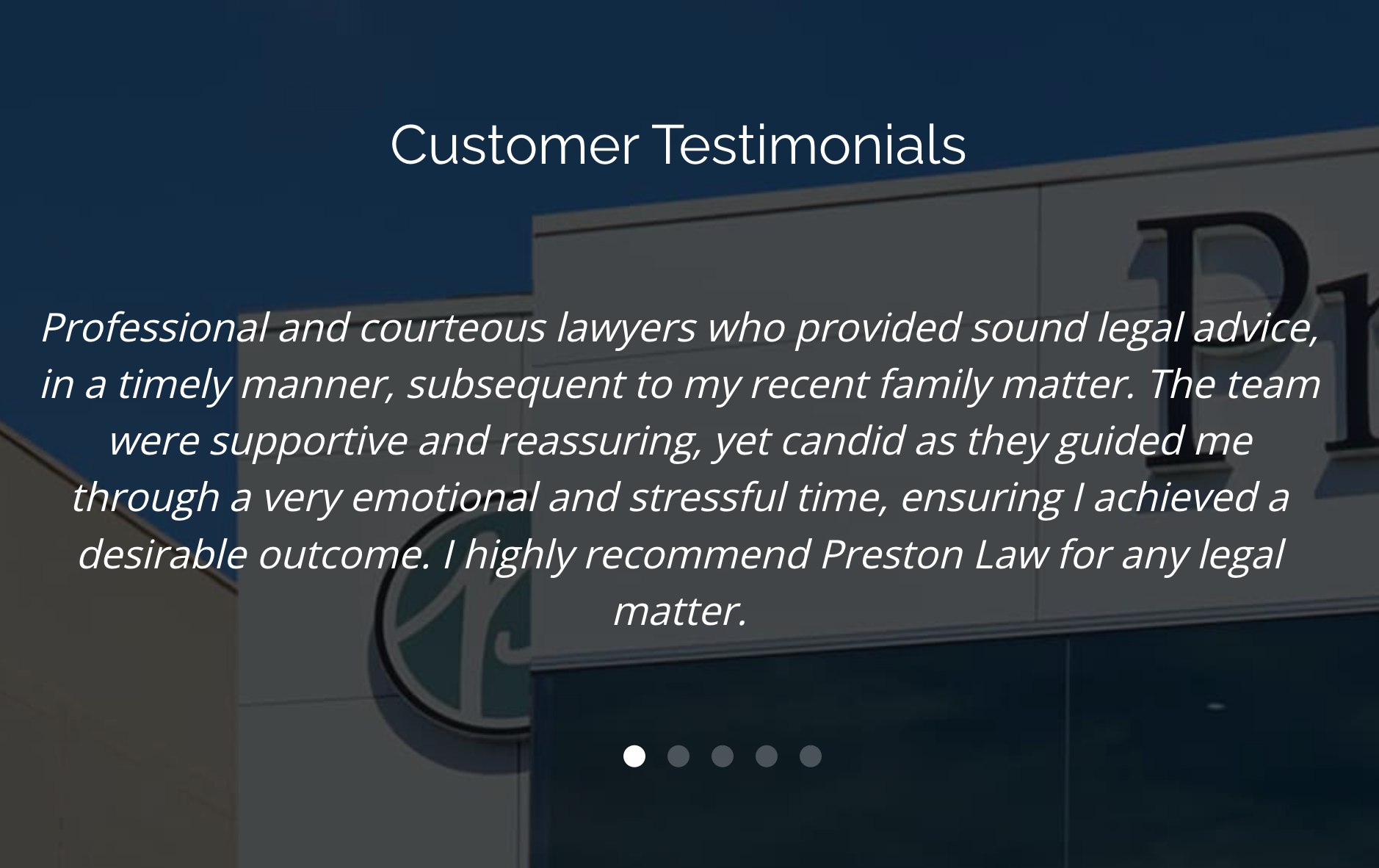
Reviews are the strongest local ranking signal and the first thing a potential client reads. Leading firms treat them as an asset, and the compliant approach is simple to state. Ask every satisfied client at the natural moment, usually when the matter closes, make it effortless with a direct link, and respond to every review professionally. Never incentivise reviews, and check your state’s advertising rules before republishing them as website testimonials, since restrictions differ by state and practice area.
Keep your firm’s details identical everywhere
Your firm’s name, address and phone number need to match exactly across your website, Google profile, law society listing and every directory. Inconsistencies read as unreliability to both search engines and AI assistants. It’s unglamorous work, and it’s the difference between being confidently recommended and quietly skipped.
E-E-A-T for Law Firms, Your Lawyers Are the Strategy
Google’s quality guidelines ask a simple question of every legal page. Who wrote this, and why should anyone trust them? Most industries must manufacture an answer. Law firms already employ theirs. Every admitted solicitor in your firm is a walking E-E-A-T asset, and the work is making that visible to search engines and AI assistants.
Start with individual bio pages, because that’s where your prospective clients already are. Clio’s Legal Trends Report found 82% of legal consumers research lawyers online before hiring, and bar association guidance notes that bios are among the most viewed pages on any firm’s website. Each lawyer needs their own page listing qualifications, admission details, practice areas, notable matters where confidentiality allows, and professional memberships. These pages do double duty, since the same credentials that persuade a client are what Google reads as proof of who stands behind your content.
Then make the credentials machine-readable. Person schema for each lawyer and LegalService schema for the firm tell search engines and AI tools exactly who your people are, what they’re qualified in and where they practise. It’s the difference between claiming expertise and structuring it as data.
Finally, put your experts to work. Legal insights articles should carry a real solicitor’s byline, connect to their bio page, and link to legislation and case law as primary sources rather than to other blogs. A family law update that cites the Family Law Act reads as authoritative to Google for the same reason it would to a colleague.
We hold this article to the same standard, which is why it cites the conduct rules directly and carries a named author. Teaching E-E-A-T only works if you can see it practised.
What a Leading Regional Firm Expects
Working with Preston Law raised our standards. They’re one of Far North Queensland’s largest firms, serving Cairns and Townsville since 1991, and their lawyers review marketing more carefully than any client we’ve worked with. Before anything goes public, a partner checks that every claim can be backed up and that the wording follows advertising rules. Work that is nearly right gets sent back. That level of review changed how we operate, and we now apply it to every legal and professional services engagement.
That relationship also gives us an advantage most agencies don’t have. Legal advertising rules change from state to state. New South Wales, Victoria and Western Australia share one set of rules under the Legal Profession Uniform Law, while Queensland runs its own legislation, including the personal injury advertising limits covered earlier. An agency that only knows one state’s rules can get a firm in trouble in another. Regional markets behave differently too. Search competition is thinner than in the capitals, reputations travel faster, and word of mouth still shapes who gets called. Our Cairns office operates in the same region Preston Law serves, so we’ve learned these differences by working in them.
The simplest way to test an agency is to ask whether their work has ever passed a lawyer’s review. Ours has, many times, and that experience shapes everything we deliver.
How SEO for Lawyers Decides What AI Recommends
People ask AI assistants the questions they used to type into Google, and finding a lawyer is no exception. When someone asks ChatGPT or Gemini for the best family lawyer in Cairns, AI names specific firms, choosing them from the signals it can read and verify.
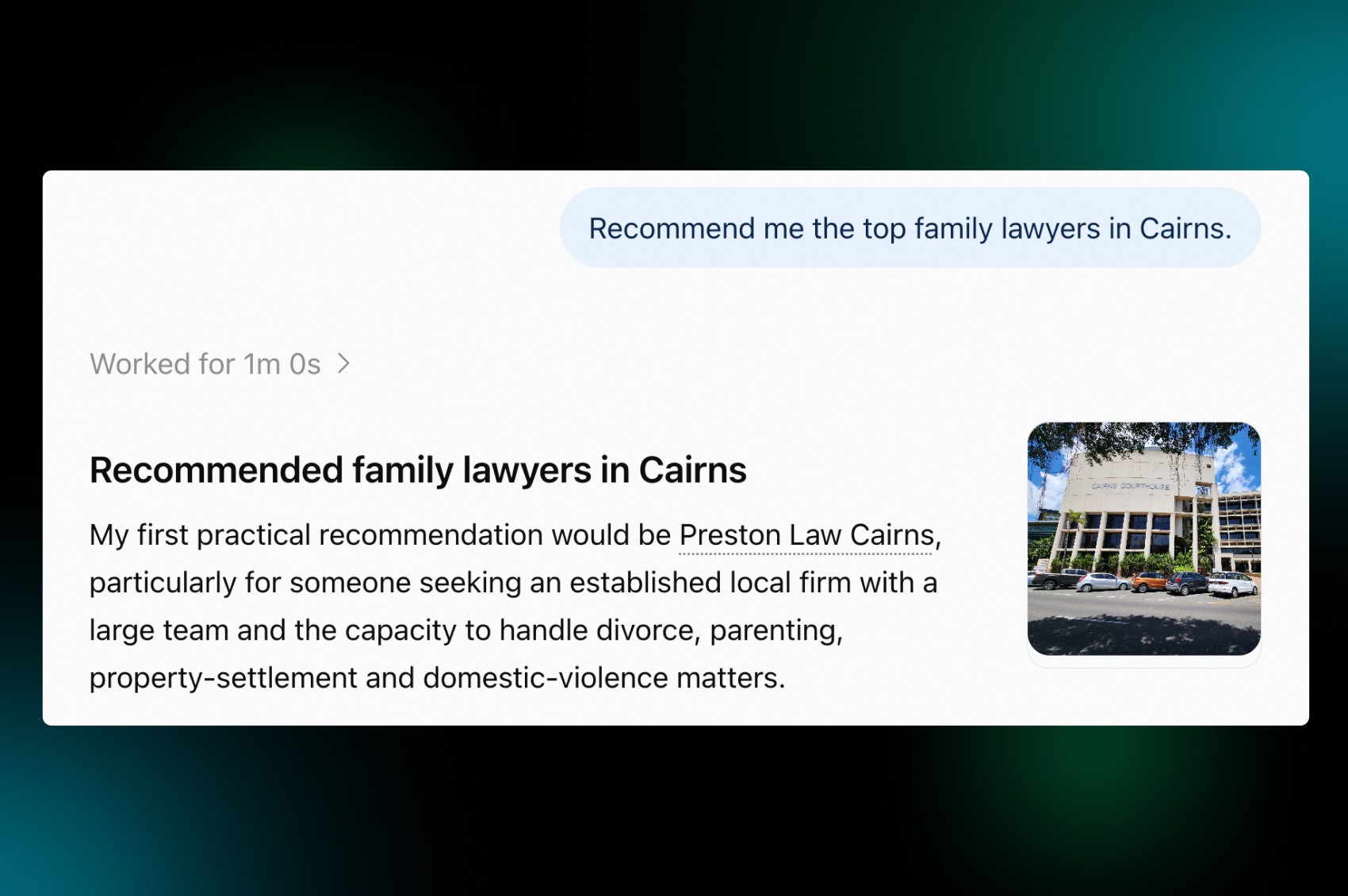
People ask AI assistants the questions they used to type into Google, and finding a lawyer is no exception. When someone asks ChatGPT or Gemini for the best family lawyer in Cairns, AI names specific firms, choosing them from the signals it can read and verify.
Those signals are the same ones this article has covered. A complete Google Business Profile, consistent listings, strong reviews, structured practice-area pages and machine-readable credentials all give AI systems something solid to cite. Firms without them simply don’t come up, and unlike a Google results page, there’s no page two.
The overlap is the good news. Every part of the local SEO engine and every E-E-A-T move we’ve described doubles as AI visibility work. You aren’t running two strategies, you’re running one that now gets read by two kinds of machine.
Want to go deeper? Our guide to building websites for AI visibility covers the full approach, and our AI-era marketing strategy template turns it into a plan.
Our 90-Day SEO Plan for Law Firms
Every legal engagement we run follows the same sequence, and the order matters. These are the practices we apply when building the SEO foundation for a legal services firm, and each stage builds on the one before it.
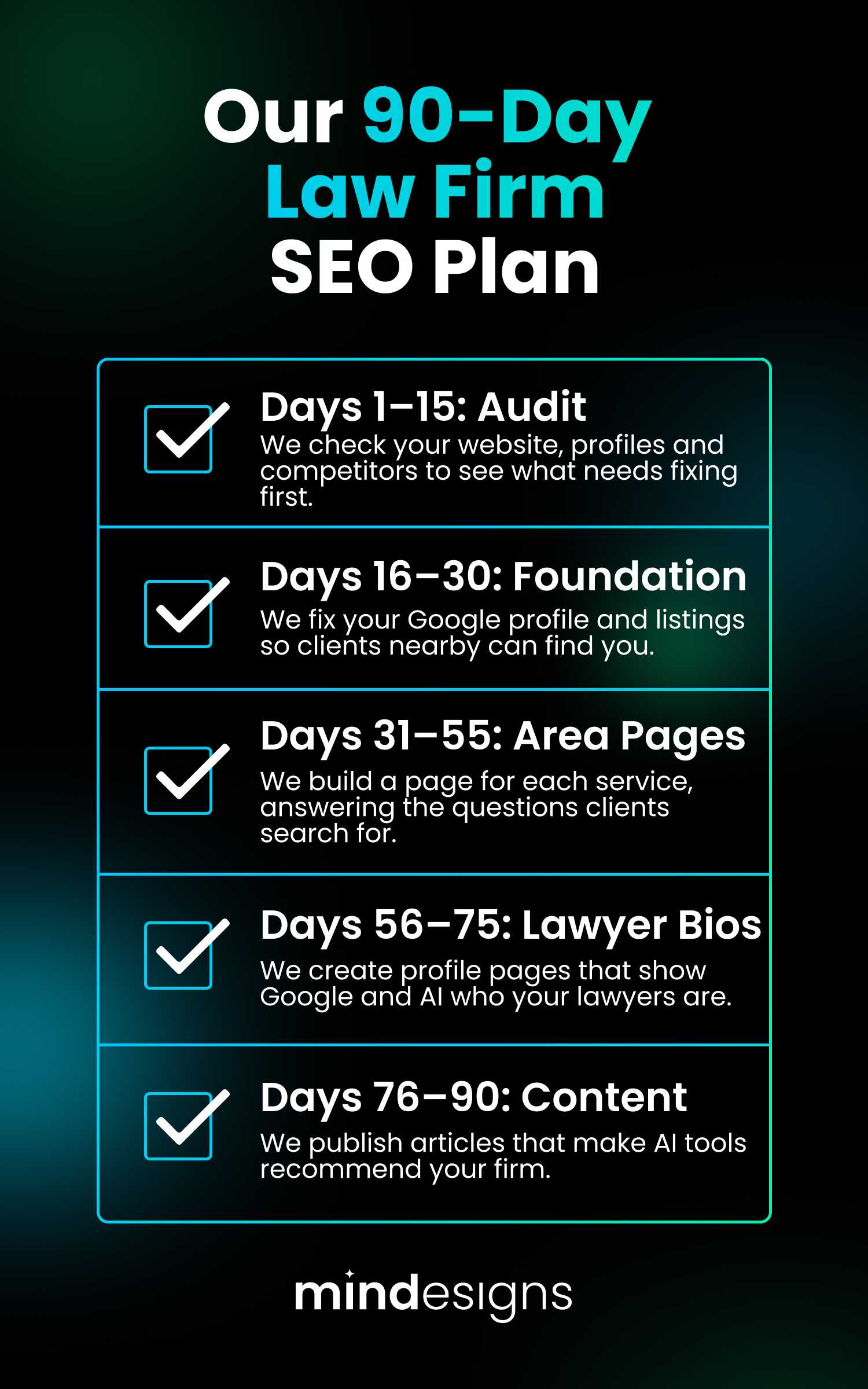
Days 1 to 15, audit. We review your website’s technical health, your Google and directory profiles, and what your competitors rank for. Every finding is checked against advertising compliance from day one, so nothing we recommend later creates a problem.
Days 16 to 30, local foundations. This is where being found locally starts. We rebuild your Google Business Profile properly, complete your law society listings, and make sure your firm’s name, address and phone number are identical everywhere they appear.
Days 31 to 55, practice-area pages. Now we build the pages that win searches. Each service gets its own page for each location, written to answer what clients ask, including costs, process and timeframes.
Days 56 to 75, your lawyers. This stage makes your people visible. We build solicitor bio pages, add the schema that makes credentials machine-readable, and connect article bylines to the lawyers behind them.
Days 76 to 90, content and AI visibility. With the foundation in place, publishing begins. Legal insights articles go out structured for both Google and AI assistants, so your firm becomes citable, not just findable.
Measurement runs through all ninety days. By day 90, you’ll know exactly which pages bring in enquiries and where your next clients are coming from.
Ready to Be the Firm That Gets Found?
Every day, people in your region search for exactly what your firm does, and someone gets those enquiries. We’ve shown you the engine that decides who. If you’d like us to look at where your firm stands, we offer a free strategy session, and as a Semrush Agency Partner, we can benchmark your visibility against the firms you compete with, across Google, Maps and AI search.
No promises of rankings, because nobody honest can make them. Just a clear picture of where you are and what to fix first.
FAQs
Is SEO compliant with legal advertising rules?
Yes, when it’s done by people who know the rules exist. Everything in this article, from review handling to practice-area content, works within the Australian Solicitors Conduct Rules and state restrictions. The compliance risk comes from agencies that don’t know the rules apply to websites.
How do lawyers compete with legal directories?
You don’t outrank them, you use them. Complete your law society and directory profiles so they cite you consistently, then win the searches directories can’t, the local practice-area queries where a real firm with real reviews beats an aggregator page.
How long does SEO take to work for law firms?
Our first 90 days build the foundation, and firms usually see early movement in that window, especially in map results. The compounding gains, ranking for competitive practice-area terms, typically take six to twelve months. Anyone promising faster guaranteed results is guessing, and that’s not a word you want near your firm’s name.
Will AI replace Google for finding lawyers?
It’s adding a layer rather than replacing anything. People still search Google and Maps, and now they also ask AI assistants. The practical answer is that both run on the same signals, so a firm that builds its profiles, pages and reviews properly gets found in both places with one strategy.