For Marketing Leaders
SEO for financial services demands a different approach compared to other industries. Finance websites are held to a higher standard because the information they publish can influence major decisions around loans, insurance, investments, business finance, property, retirement and financial advice.
Google treats many finance topics as Your Money or Your Life, or YMYL, content. For finance websites, accuracy, credibility, transparency and trust directly affect how users and search engines assess the quality of your site.
We’ve seen these challenges firsthand through our work with one of Australia’s largest business broker, The Finn Group, and Eakins Finance & Insurance, a financial services firm located in Cairns that specialises in home loans and insurance.
In this article, we explain why SEO for financial services is harder than most industries, how E-E-A-T and YMYL affect your content strategy, and what finance brands can do to improve visibility in both Google and AI search. We also share practical examples from our work with The Finn Group and Eakins Finance & Insurance to show how technical SEO, content, UX, and search visibility work together in the real world.
Why SEO for financial services is harder than most industries
Most SEO strategies focus on keywords, content, and backlinks. In financial services, those foundations still matter, but not enough on their own.
The first challenge is scrutiny. Google’s Search Quality Rater Guidelines state that for YMYL topics, E-E-A-T matters above all other factors. Lily Ray, a well-known E-E-A-T researcher, tracked how Google’s core updates since 2018 have affected YMYL sites, with finance websites losing significant traffic when they made content without citing credible sources. According to Marie Haynes, a Google quality specialist, financial content should be written by experts or, at a minimum, be reviewed by them before publication.
The second is competition. According to Semrush, finance websites attract 2.2 billion organic visits every month, and demand like that draws comparison sites, major banks and fintechs onto the biggest finance queries. Broad terms like “best home loan” are held by comparison sites and banks with years of accumulated authority, while local and specific queries are where brokers and advisers can realistically win. Compliance also slows finance brands, since regulatory obligations limit what claims can be made and add review layers before publishing.
What Google is really looking for in SEO for Financial Services
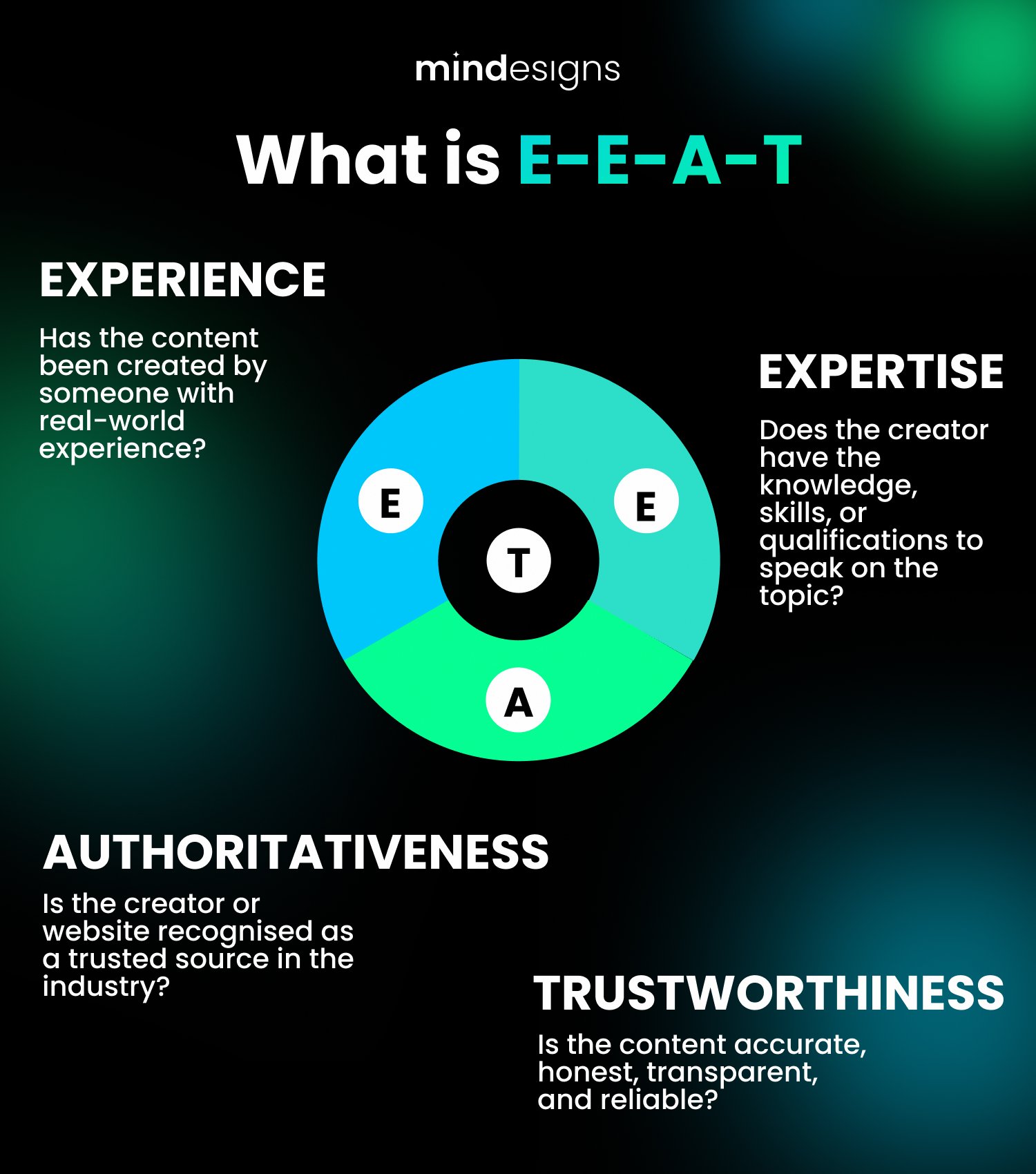
Google is looking for proof that real expertise sits behind the page. Its content guidance rewards finance content that shows first-hand knowledge, and its quality raters are trained to check who wrote the information, why they are qualified, and whether readers can verify the claims.
This checklist is known as E-E-A-T, which stands for Experience, Expertise, Authoritativeness, and Trust. It matters most for finance websites because readers may make major financial decisions based on what they read.
 A generic article explains that HECS debt affects borrowing power. Brisbane broker Hunter Galloway’s guide, for example, walks through a real client who paid out her last $2,000 of HECS debt and lifted her borrowing capacity by $70,000. Only a broker who has handled that outcome can write it, and both readers and Google can tell.
In practice, this means adviser bios, broker profiles, client stories, case studies, review signals, source links, compliance notes and plain-language explanations. At Mindesigns, we see this as the difference between publishing content and building trust, content that helps people understand their options and feel confident enough to decide.
The E-E-A-T playbook for finance websites
E-E-A-T should shape more than your blog strategy. It influences how your entire finance website is structured, written and presented. When we review a finance website, we do not only ask what keyword a page targets. We ask what proof the page needs before both Google and a potential client trust the business. In finance, the two are judging you by the same signals.
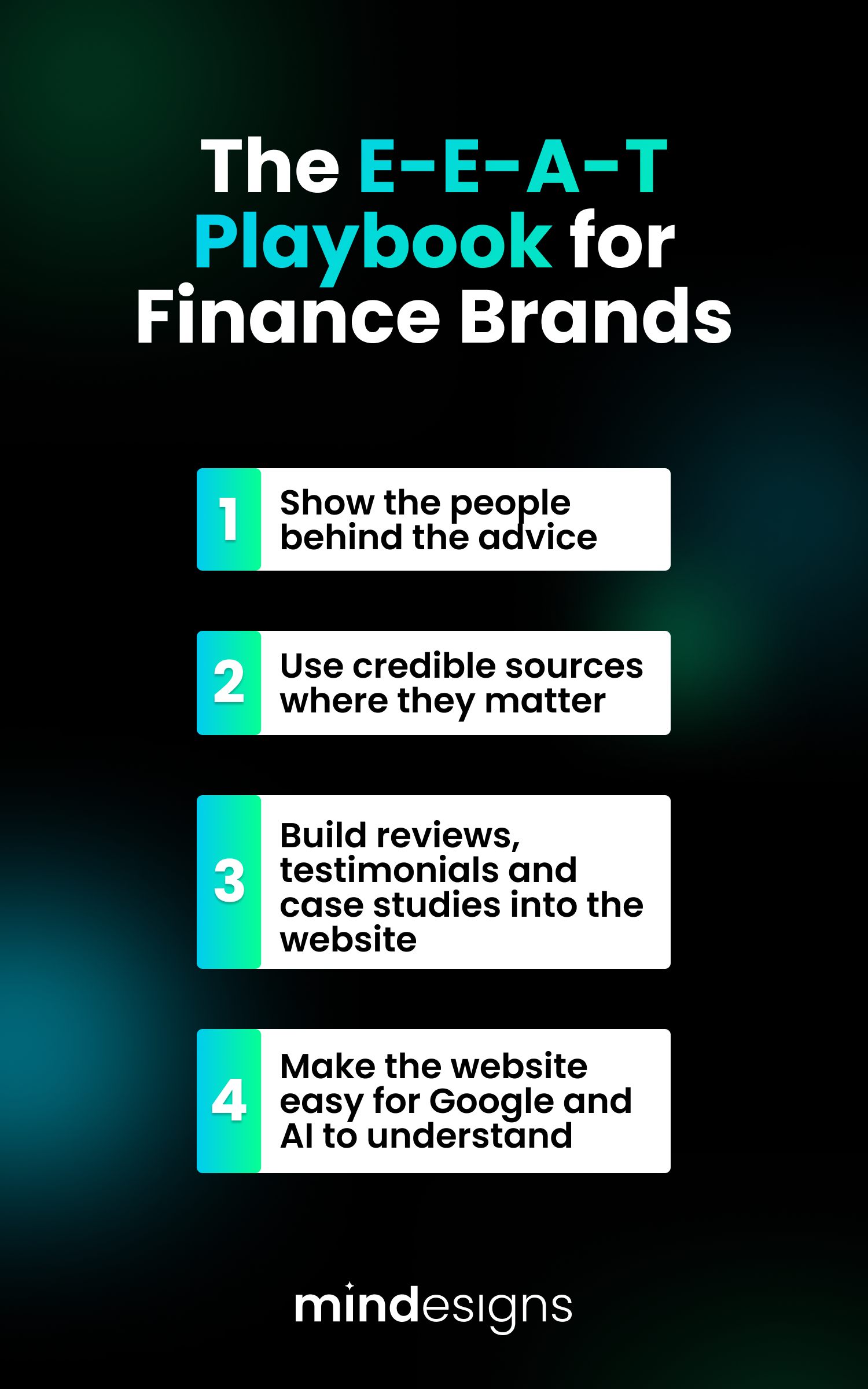
Show the people behind the advice
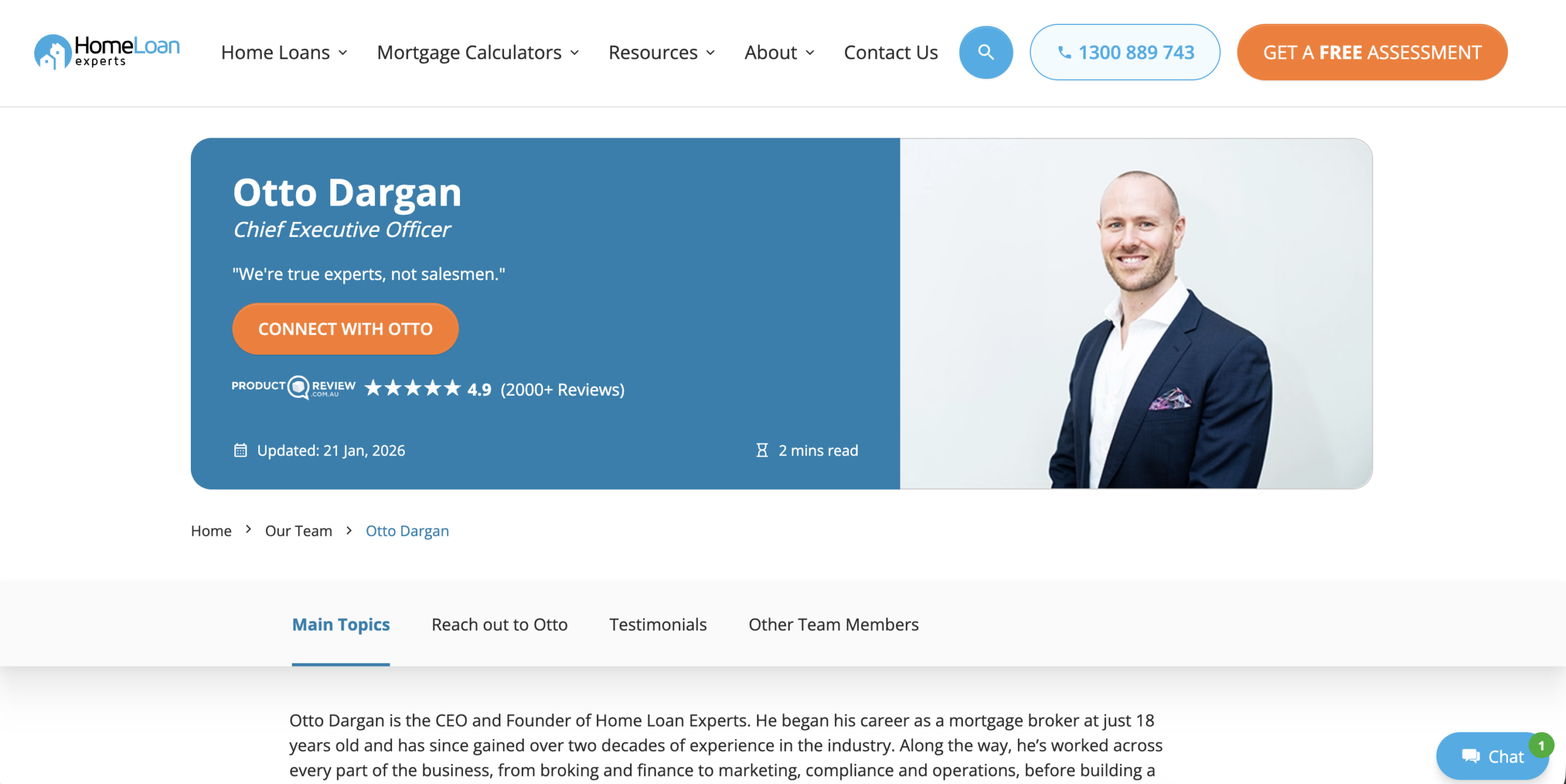
People trust people before they trust a brand. For example, Home Loan Experts founder Otto Dargan’s profile page covers his two decades as a broker, more than 80 specialist courses, a two-time national broker award, and commentary featured in 9News and the Australian Financial Review. A reader who lands on any article can click and see exactly the person behind the advice, and so can Google.
Your adviser profiles should work the same way, covering each person’s role, qualifications, specialisations and the clients they support.
Use credible sources where they matter
Important claims need a source the reader can check, which means linking to it, not just naming it. Cite a rate and link the RBA page it came from. Reference a lending rule and link ASIC or Moneysmart. Google’s quality raters are trained to check whether YMYL content is verifiable, and a linked source is proof while an unlinked one is a claim.
Build reviews, testimonials and case studies into the website
In financial services, reviews are part of the trust system, and how you publish them matters. Keep your Google reviews attached to an active Google Business Profile and respond to them. Embed video testimonials on service pages with descriptive alt text so search engines can read what they show. Write case studies with real outcomes rather than adjectives. A potential client comparing several brokers enquires with the one whose proof is easiest to find.
Make the website easy for Google and AI to understand
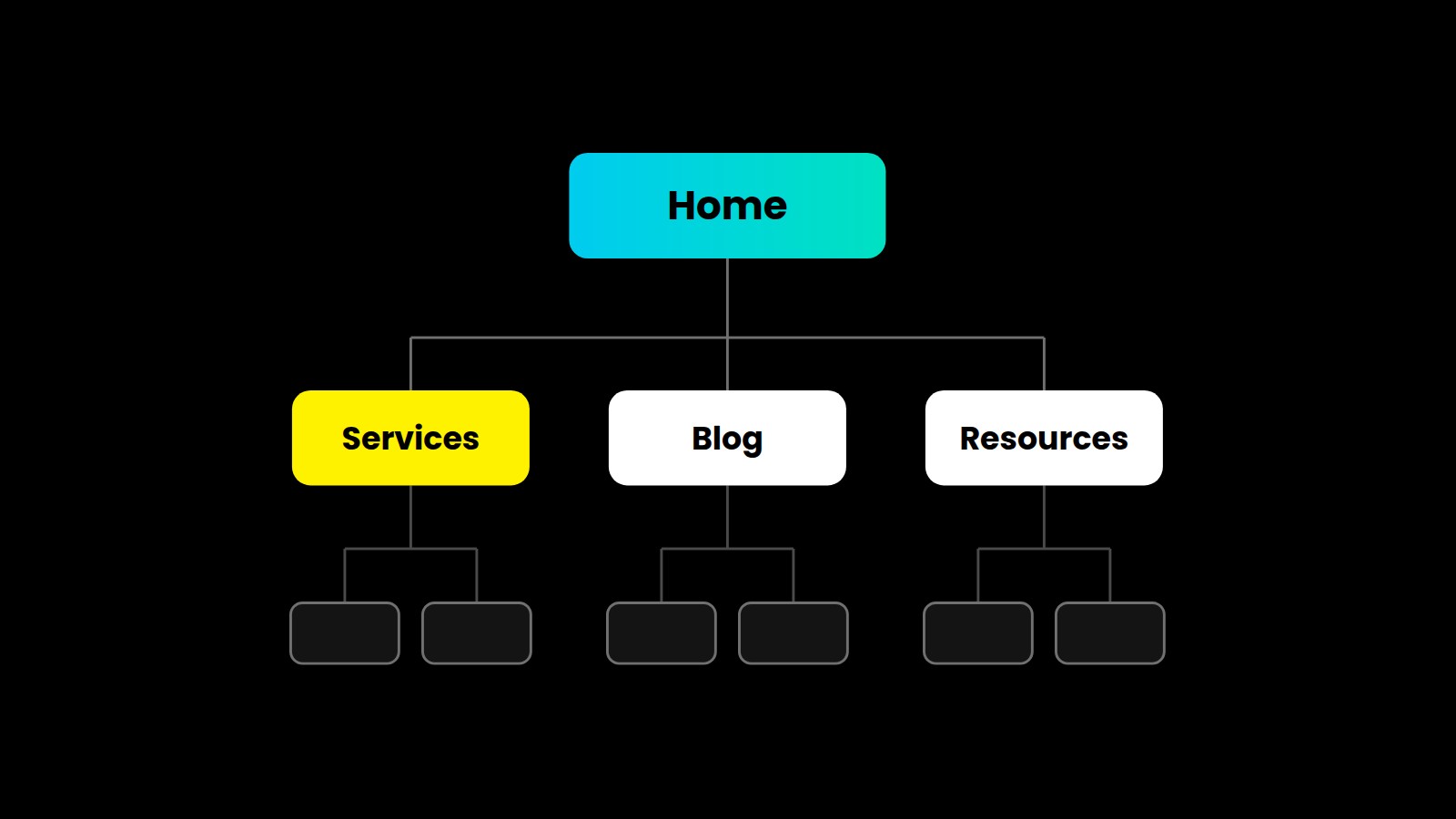
Technical SEO is also part of trust. Google and LLMs crawl your website to work out what you do, who you help and where you operate. Descriptive alt text, structured content and a clear page for each service, location and person all raise your chance of ranking.
Clarity applies to your claims too. A result published without explanation reads as vague to both people and AI systems. On our website, we back our 95% client retention figure with campaign data and link the case studies behind it. Any finance brand publishing results should show the same working.
Why YMYL matters for finance brands
YMYL stands for Your Money or Your Life. Google uses it for topics that can affect a person’s financial stability, health or safety, and holds this content to its highest quality standards. Finance falls in this category because content about loans, insurance, investments or financial advice can influence major decisions.
For a finance marketing team, this changes how content gets written, checked and maintained. For example, a broker page that says “we help you get the best loan” makes a promise Google and ASIC can’t verify. The better version of that page explains how the loan process works, states who the service suits, such as first home buyers or self-employed borrowers, includes insight from a named broker, and shows the panel of lenders the brokerage compares. Each element turns the same promise into something a reader and a search engine can verify.
How The Finn Group turned technical SEO into revenue infrastructure
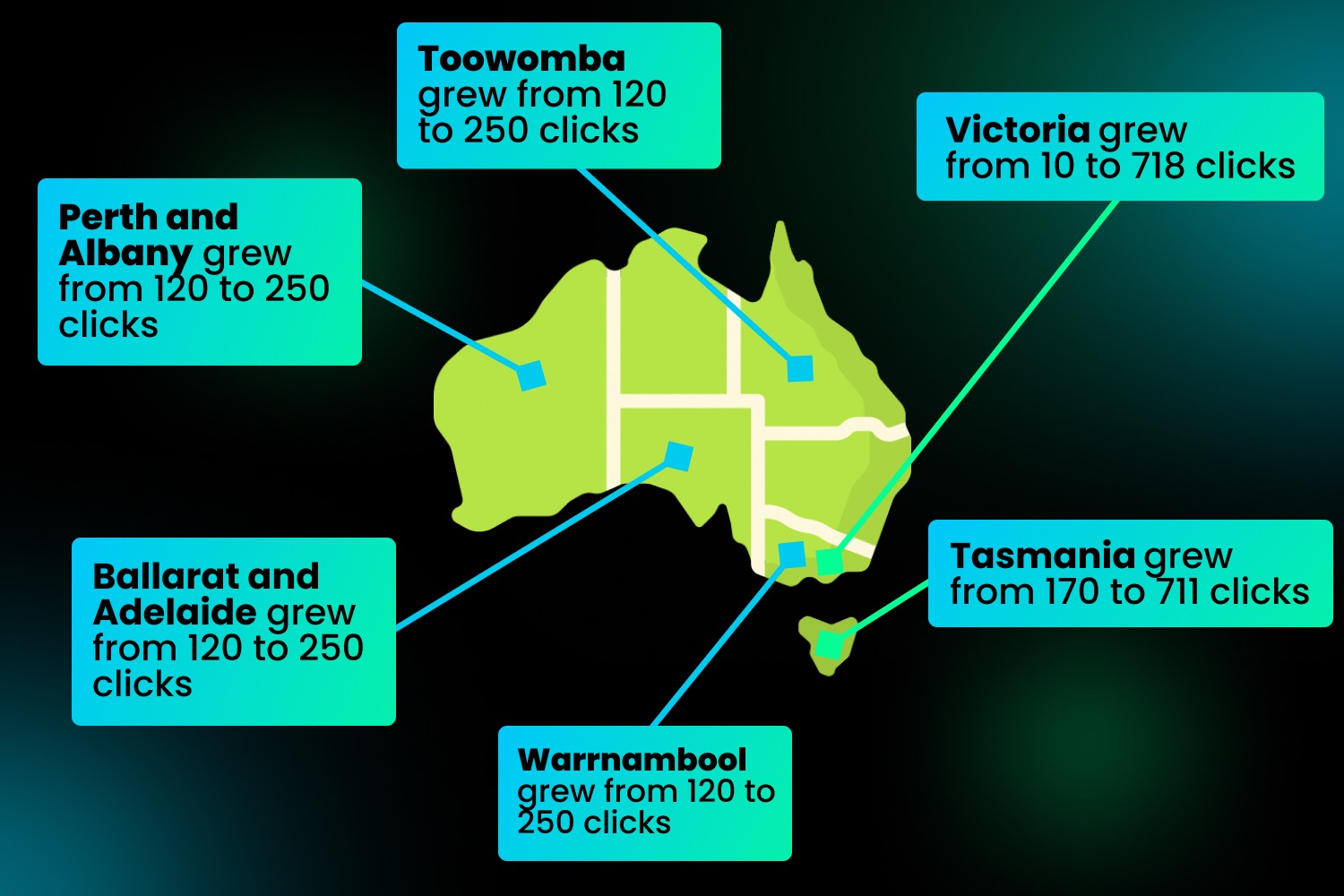
Within six months, The Finn Group’s Victoria pages grew from 10 to 718 organic clicks. The work behind that number was mostly structural, and it shows how one of Australia’s largest business brokers networks turned technical SEO into revenue infrastructure.
When we began working with The Finn Group, the website had a strong foundation but no clear path for organic growth. Our plan focused on local search and authority. We created dedicated pages for “business brokers + suburb” searches, built location pages for their 45 plus offices, and linked each office to its own Google Business Profile. We developed broker author pages so the people behind each deal were visible to Google, and we reviewed how AI tools described The Finn Group compared to its competitors.
The same structure lifted results across the country. Tasmania’s pages grew from 170 to 711 clicks, and city and area pages including Toowoomba and Perth grew from near-zero visibility to between 120 and 250 clicks each. Every location page gives that office its own presence in local search, which is where business owners look for a broker near them.
 For a listing-based finance website, why we treat technical SEO as revenue infrastructure. The platform needs to be fast, well-structured and easy to use, because every improvement compounds across hundreds of pages. We’ve now worked with The Finn Group for more than three years.
As Zac Finn, Director of The Finn Group, said, “Mindesigns always goes the extra mile with every task we send their way.”
How Eakins Finance & Insurance turned local search visibility into leads
When Lauren Eakins, owner of Eakins Finance & Insurance, came to us, her previous marketing support hadn’t delivered results. The website had been built with little UX consideration, and the content wasn’t generating qualified traffic. We started with the pages that move the needle most for a warm audience, the service pages, then redesigned the site and migrated it to WordPress so every page loaded fast and led somewhere.
The most pivotal work was making Lauren herself visible. We created her author bio, a short bio box on every article and a full profile page behind it, and we wrote articles from her real experience by recording our meetings with her and transcribing her stories into content. Google rewards content only a working broker could produce, and now her articles read that way. One of them generates around 30 qualified leads per month.
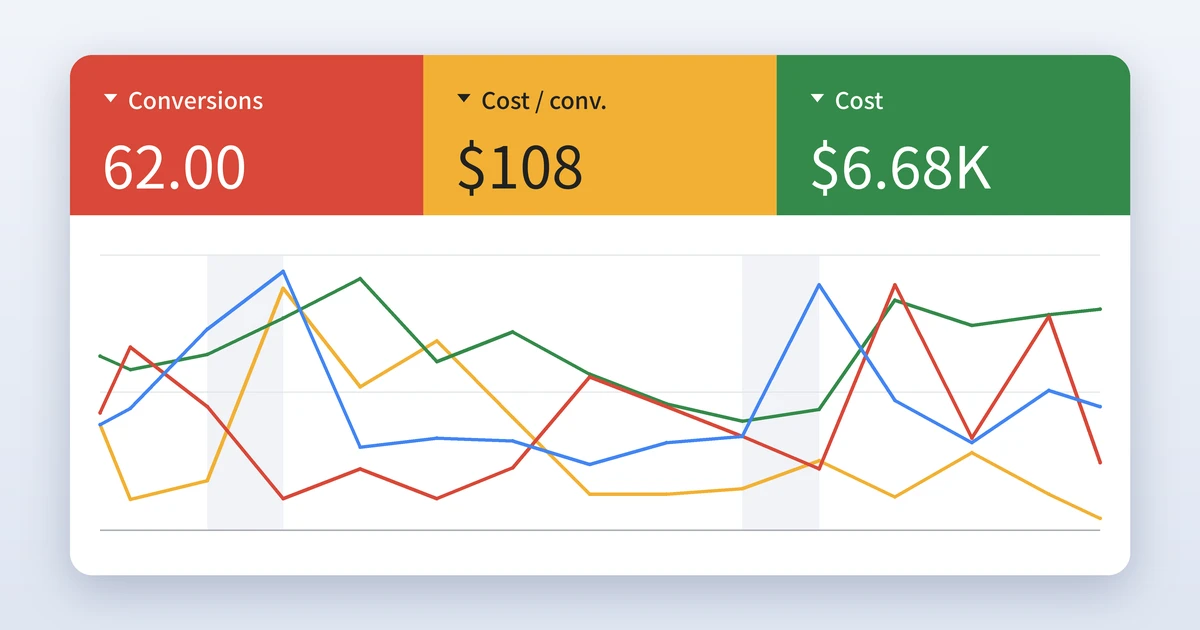
Google Ads ran alongside the SEO as a separate channel. Lauren had never tried them, and Cairns being a regional town makes ads far less competitive than in capital cities, so high-intent clicks came affordably, averaging around $100 per lead. SEO built the lasting visibility while ads captured demand immediately, and together they filled the pipeline faster than she could staff it. 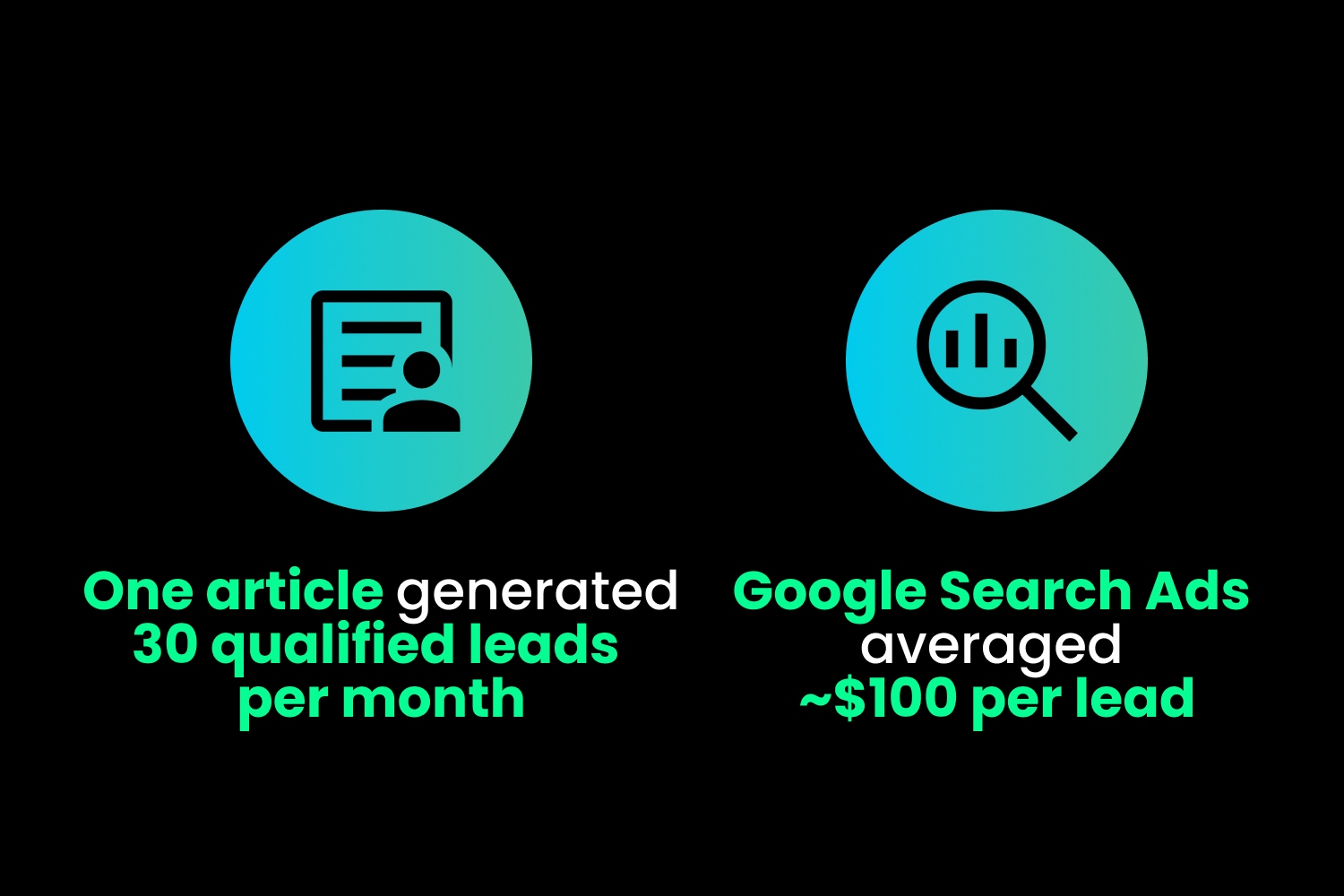
How financial services get recommended by AI assistants
AI search is now part of SEO for financial services. People compare providers by asking ChatGPT, Gemini and Claude for direct recommendations.
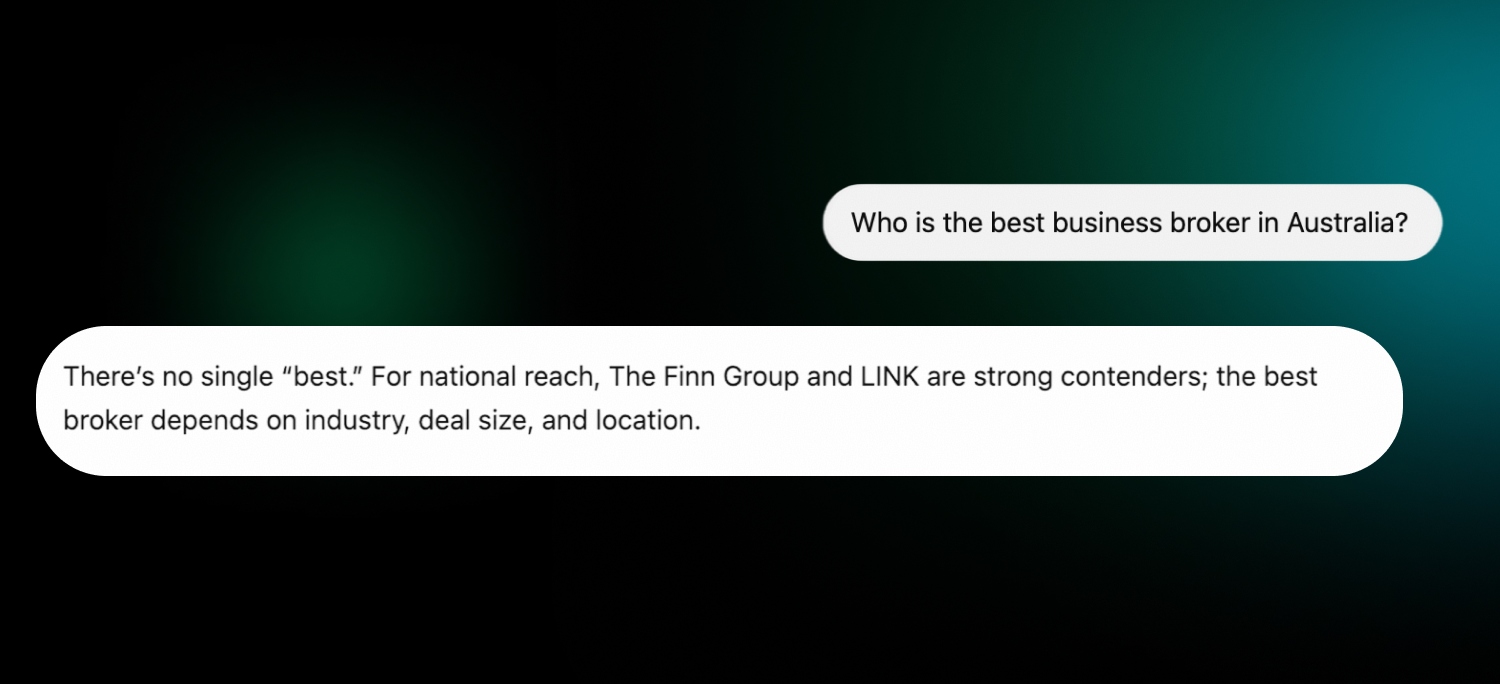
BrightEdge tracking found that educational finance queries, the “what is” and “how does it work” searches, now trigger Google AI Overviews 91% of the time. Meanwhile, local “near me” finance searches are the opposite. Google has removed AI Overviews from these almost entirely, so a search for a broker nearby still runs through the local pack and your Google Business Profile. For a finance brand, that split is the strategy. Educational content competes for AI citations, while local visibility still depends on a complete, active Business Profile.
Being recommended starts with being understood. AI tools need to know what your finance brand does, who you help, where you operate and why you can be trusted, and they learn this from your service pages, your reviews and the places your brand is mentioned.
It’s also important to stay consistent. Your business name, services and locations should match across your website, Google Business Profile, directories and LinkedIn, supported by structured data, so AI systems can confidently identify and recommend your brand.
Want a free consultation for your finance website?
In our experience, SEO is one of the strongest marketing strategies available to financial services. Unlike many industries, people genuinely search for these businesses every day. They look for top brokers, home loans, refinancing providers and financial advisers near them, and every one of those searches is a potential client comparing their options. We’ve seen what happens when finance brands capture that demand, from The Finn Group’s location pages to the article generating around 30 qualified leads a month for Eakins Finance & Insurance.
As a Semrush Agency Partner, we provide an in-depth SEO and competitor analysis for finance brands. It benchmarks your website against key competitors across visibility, content, technical performance and conversion opportunities, and shows where trust signals are missing and where untapped opportunities exist in organic search.
If you are a broker, adviser, fintech, lender or finance brand looking to grow, book a free consultation and we’ll help you identify the gaps holding you back.
FAQs
Why is SEO for Financial Services different from other industries?
Finance content can affect a person’s money, assets and future, so Google classifies it as YMYL and holds it to its highest quality standards. That means stronger trust signals, visible expertise and verifiable claims are requirements, while in most industries they are advantages.
What should a finance brand fix first?
Start with proof, not content volume. Adviser bios with real credentials, linked sources for important claims, reviews attached to an active Google Business Profile and case studies with genuine outcomes. In our client work, these trust signals move rankings faster than publishing more articles, because they are what Google’s quality raters and AI tools check first.
Can SEO content stay compliant for financial services?
Yes, with the right process. Avoid superlatives and unsupported promises, add a general advice disclaimer where content approaches regulated territory, and have a licensed broker or adviser review content before publishing. The same habits that satisfy compliance also strengthen E-E-A-T, so the two goals reinforce each other.
Do finance brands need AI search optimisation?
Based on our experience, yes. Educational finance queries now trigger Google AI Overviews 91% of the time, and buyers ask ChatGPT and Gemini directly for broker and adviser recommendations. The foundations are the same as strong SEO. Consistent business details, structured data, credible reviews and content that shows real expertise all help AI systems understand and recommend your brand.