For Marketing Leaders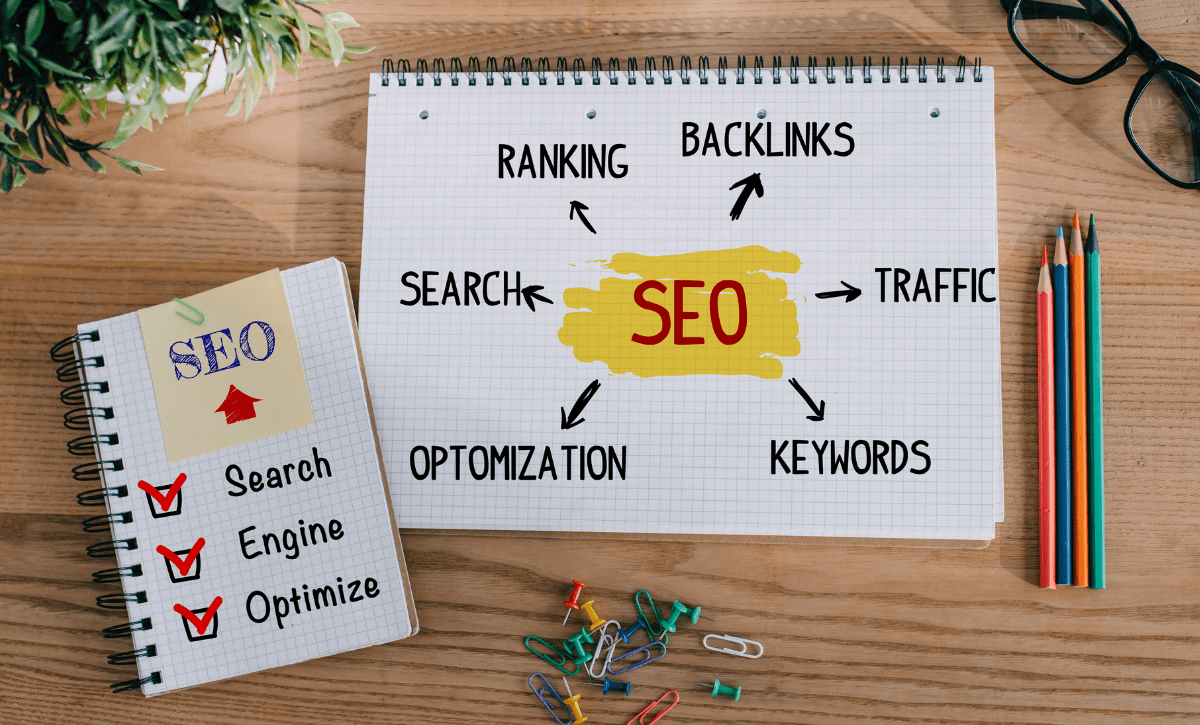
Authors intro – this is a great introduction to SEO if you are just a beginner. I tried to keep it simple and hope you enjoy the read.
In this article you will learn what is SEO and why it’s important. You will get an understanding of how Google’s algorithm works and how it impacts your website’s SEO ranking.
2026 Update from the Mindesigns team
We first published this guide back in 2022, and the fundamentals below still hold. Search engines reward relevant, useful content, and that hasn’t changed. What has changed is where that content shows up. Since 2024, Google has rolled out AI Overviews (the AI-written summary box at the top of results) and AI Mode (a full conversational search experience), and by 2026 these now appear across roughly half of all searches and reach billions of users every month.
For beginners, this means one important addition to the old playbook. The goal is no longer only to rank on Google. It’s to be cited by the AI that increasingly answers the question before anyone clicks. The good news is that the basics in this article are exactly what earns you that visibility. Learn these first, then read our deeper dive on the Future of SEO to see where it’s all heading.
Why trust this guide?
This isn’t theory we read somewhere. Mindesigns is an Australian digital marketing agency with offices in Sydney and Cairns, and SEO is one of our core services. Over the past decade, we’ve worked with 100+ Australian brands, including OES (a SEEK company), Sekuro, and The Finn Group, applying these exact fundamentals to real businesses. For OES, that work helped grow their website from 15,000 to 40,000 annual visits. Across our client base, we’ve lifted organic traffic by as much as 467%.
We’ve also lived through the disruption first-hand. Like many agencies, our clients were affected by Google’s algorithm and AI-search shifts, and we rebuilt our approach around what actually works now. That experience is why this guide stays grounded in fundamentals rather than chasing tactics that stop working with the next update.
If you’d rather have a team handle it, take a look at our SEO services
What is SEO?
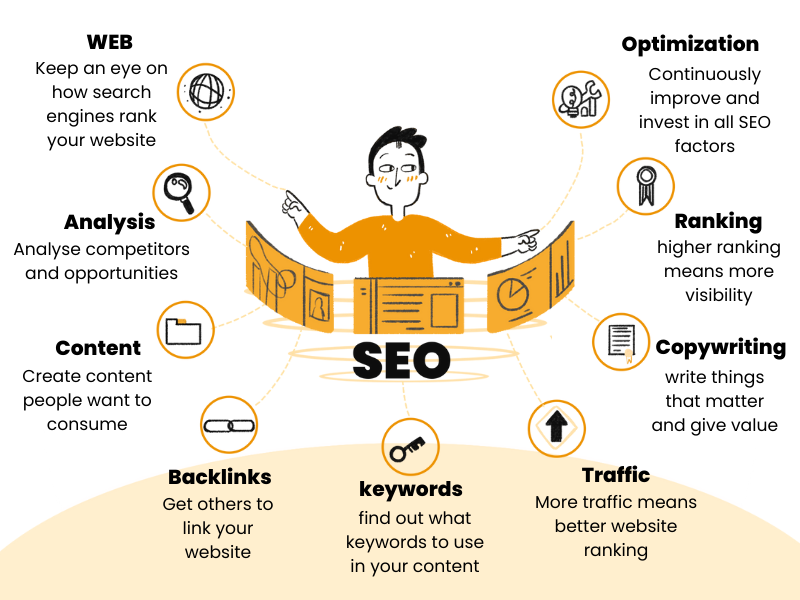
SEO stands for Search Engine Optimization. It refers to the process of optimizing your website’s content to improve its visibility on search engine results (such as Google, Yahoo or the like).
The goal of search engines such as Google is to generate the most relevant search results to satisfy your needs. If Google keeps you happy with the results it provides, they have done their job. Because essentially, they want you to come back and keep using their search engine.
The goal of SEO is to get your website a high search result ranking on Google. And the Goal of Google is to determine whether your website content is appropriate, relevant and preferable to show its visitors. Understanding that your website’s content needs to satisfy someone’s search intent is vital to a successful SEO strategy.
Why is SEO important?
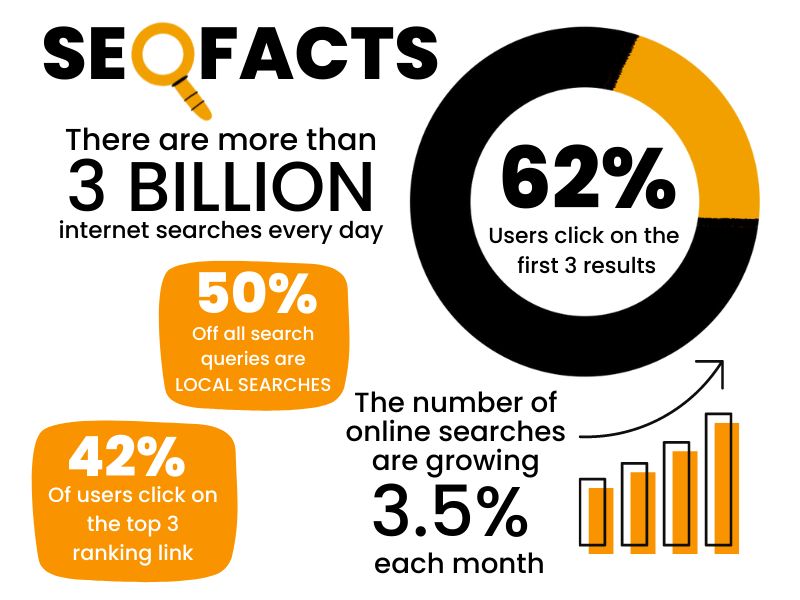
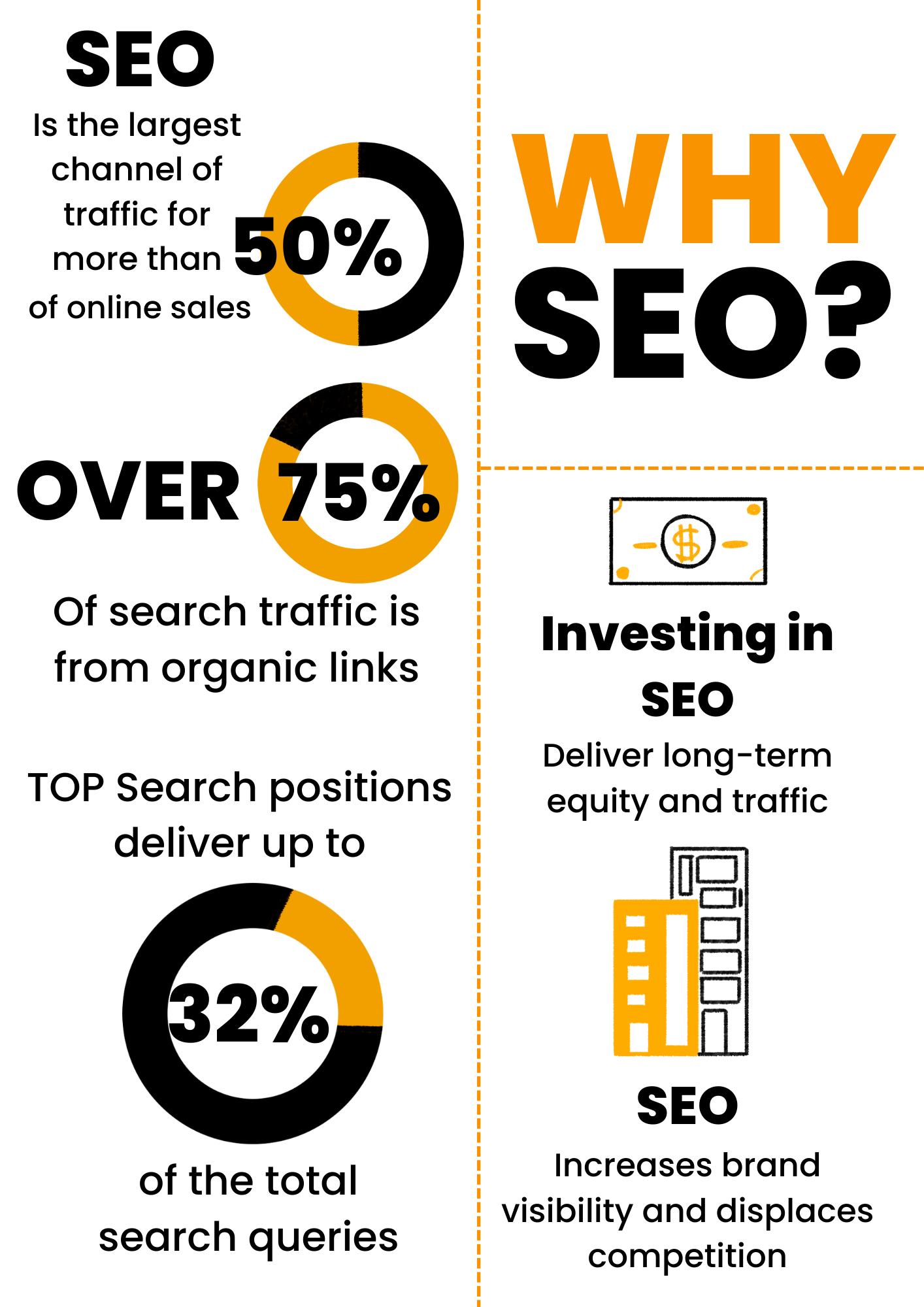
SEO is important because it’s one of the best organic traffic sources out there. As oppose to paying for ads, SEO search traffic is free and is typically consistent once you are ranking high. The only down side is that SEO takes time and results are not always guaranteed.
In Comparison to SEO, traffic from social media platforms is not as consistent. These networks are designed to show fresh content all the time. Therefore, posts and other type of content you might share will soon be forgotten, or not relevant.
SEO is also more consistent than your email marketing strategy. It is likely that your email marketing heavily depends on new subscribers. Not to mention emails eventually get marked as red, forgotten or end up in the spam box. So you consistently need to make up for contacts that have unsubscribed.
With SEO you don’t need to run after website visitors, they come to you. Giving you an opportunity to attract an audience you wouldn’t have access to otherwise.
How Google algorithm works?
Part 1 – Google crawling and indexing
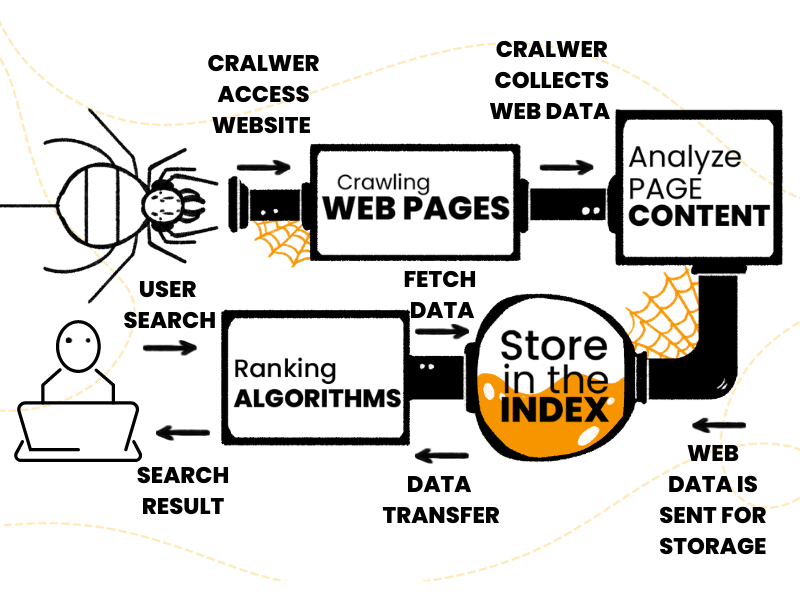
Google uses crawlers (also known as spiders) to gather public information from all over the web. This information such as the metadata within a website is used for indexing information in Google search engine. Crawlers are basically the current method Google uses to collect data.
Google inserts these crawlers into known (more trusted) websites that are referred to as seeds. They follow the hyperlinks to other web pages and continue spreading via the hyperlinks found on each site they visit.
The information they gather is sent back to Google servers which is then used in Google’s search algorithm. This algorithm is constantly being updated (almost 600 times a year), which is why SEO results are very unpredictable.
Part 2 – Google’s ranking algorithm
Google has hundreds of ranking signals which include visitor traffic, backlinks, tags, website speed, meta content and many more. So basically, it is impossible to crack Google’s algorithm. Also, its variables are always changing, so your SEO strategies need to be up-to-date.
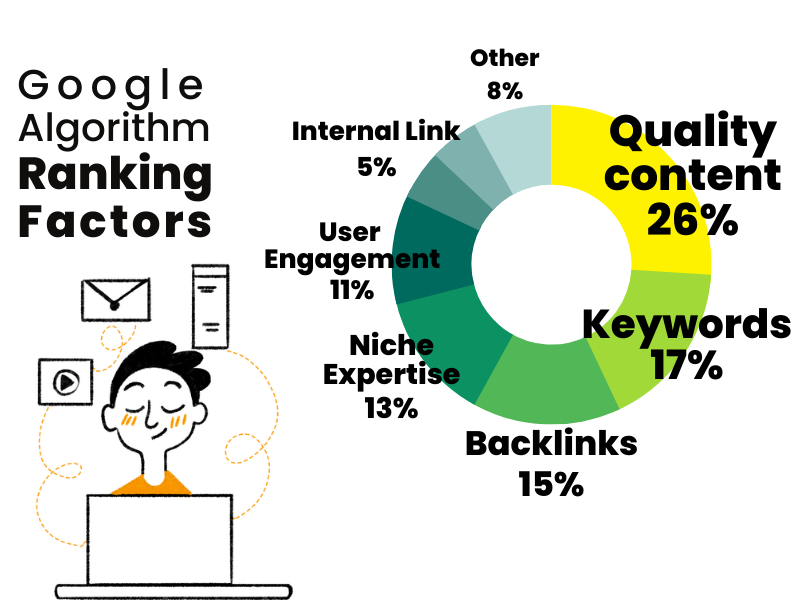
Google provide guidelines that cover which factors impact a website ranking and how it can improve. Here are some of the main indicators Google uses in its algorithm –
Backlinks – Backlinks are hyperlinks from other websites to your website pages. Think of them as votes. The more votes you have from credible sources the more trust Google has in your website. Studies have shown that more credible backlinks (high ranking websites) mean more website traffic.
Traffic – Google can determine how much traffic a website receives. More traffic means better ranking with Google.
Website performance and infrastructure – Google can assess your website performance and infrastructure. A faster and more organized website will get better rating with Google.
Search intent, keywords and content – This is a critical concept to understand, so pay attention. Google will try to show the most relevant content to a searcher’s keyword. So, keywords and the actual website content must be relevant to a person’s search intent. Otherwise, Google will not show it.
For example, for “TV set” google will show ecommerce websites and shopping ads for TVs. And for “TV setup” google will show many different articles on how to setup your TV. For example, how to mount your TV, setup TV channels, colour settings etc.
Your website content does not need to be long, follow a strict guide or full of spammy keywords. The intent of your website content is to be of use to the visitor and provide value.
Should I pay for SEO?
Optimizing SEO is not an easy job and quite time consuming. The answer to this question really depends on whether you got time to learn SEO. If you got time to invest, we highly recommend to learn how to apply SEO. Other than being a rewarding and demanded skill. It’s one of the cheapest and most sustainable ways to drive potential customers to your website.
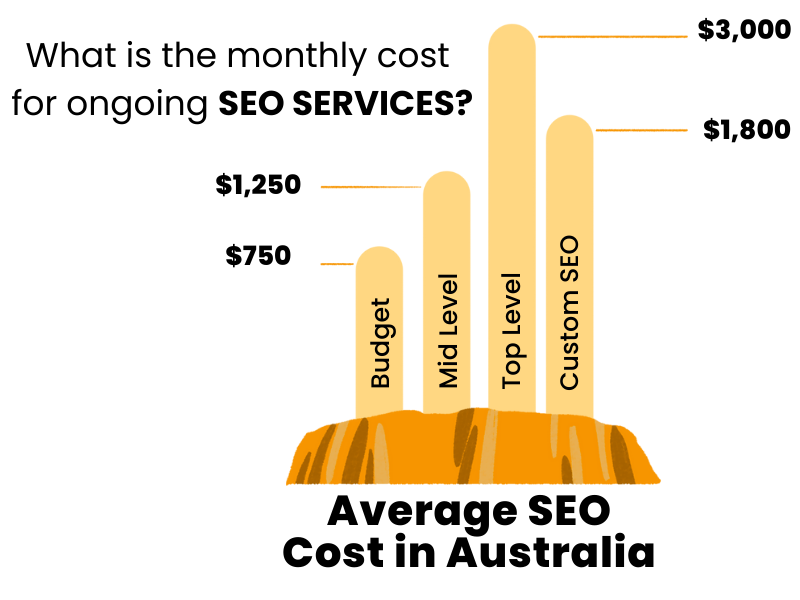
These days SEO is a full-time profession, which some people find exciting and rewarding. Especially when you start seeing results for your SEO efforts. But like every trade some people have no time or desire to do it. If this is you, you might want to check our full package SEO services page for more information.
Will SEO exist in 5 years?
As long as we use search engines on the internet to find what we want, SEO is not going away. Meaning you can relax, and continue investing your time and money in SEO. Whether you are learning it yourself or paying someone else to do it.
Even in a decentralized environment (Web 3.0) people will still need search engines. The methods and tools used to answer people’s questions are not going away. They will only change and evolve, just like SEO has been doing for the last 20+ years.