For Marketing Leaders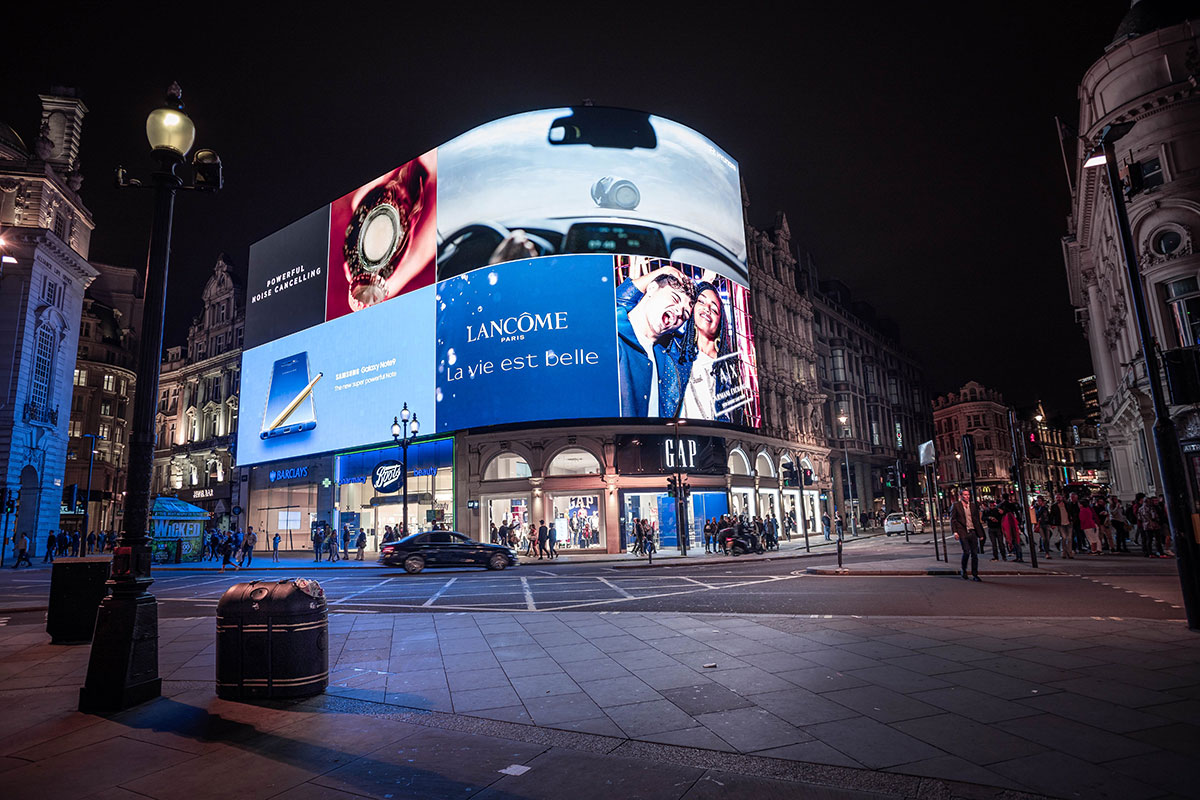
Written by Omer Bernstein, Head of Marketing and Sales at Mindesigns. Omer works as a billboard advertising agent, negotiating directly with media owners across Queensland and the rest of Australia, and has booked static, digital, and airport billboard placements for businesses ranging from local operators to national brands.
Originally published November 2023. Last updated in July 2026 with current pricing based on our recent bookings and the latest OMA market data.
In 2026, billboard advertising in Australia costs between $1,000 and $30,000+ per month per site. Regional static boards start around $1,000–$3,000, capital-city sites typically run $8,000–$30,000, and landmark digital sites in Sydney and Melbourne can exceed $100,000 per four-week period.
Here’s my honest take after negotiating billboard contracts for 8 years: the rate card is only the starting point. The final invoice depends on location, format, campaign length, share of voice, and most importantly, how well you negotiate. This guide breaks down real 2026 pricing, the hidden costs that surprise first-time buyers, and how to get a better rate.
| Location | Static (per 4 weeks) | Digital (per 4 weeks) |
|---|---|---|
| Sydney (CBD / prime) | $15,000 – $30,000 | $20,000 – $40,000+ |
| Melbourne | $12,000 – $25,000 | $15,000 – $35,000 |
| Brisbane | $2,000 – $20,000 | $5,000 – $25,000 |
| Perth / Adelaide | $4,000 – $15,000 | $6,000 – $18,000 |
| Regional QLD (Cairns, Townsville, Mackay) | $1,000 – $7,000 | $2,000 – $9,000 |
| Landmark sites (Sydney/Melbourne) | $100,000+ | $100,000+ |
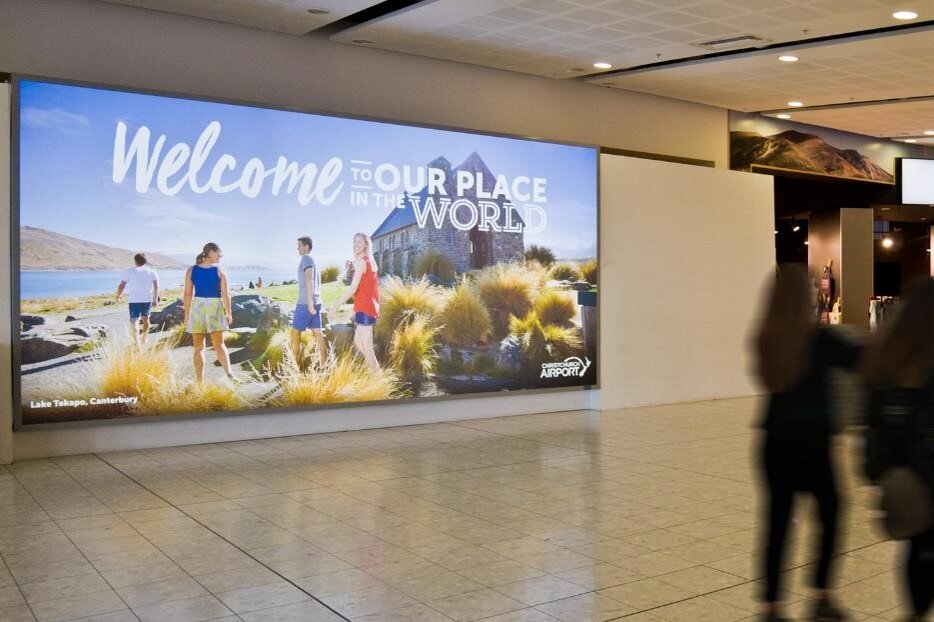
From our recent bookings: a 6x3m static site on the Bruce Highway north of Brisbane ran $4,500 per four-week period including installation, while a digital rotation slot in a Cairns shopping precinct came in at $400 per week.
Billboard costs by format
| Format | Typical size | Cost per 4 weeks |
|---|---|---|
| Classic / 24-sheet (static) | 6m x 3m | $1,900 – $6,000 |
| Supersite (static) | 12.66m x 3.35m | $8,000 – $25,000 |
| Landmark / Spectacular | 18.99m x 4.57m | $30,000 – $100,000+ |
| Digital large format | Varies | $5,000 – $40,000 (per rotation slot) |
| Street furniture (bus shelters) | 1.8m x 1.2m | From ~$5,500 per pack |
| Airport | Varies | Premium — quote on request |
The real cost of a campaign (not just the media)
The lease is only one line on the invoice. A static billboard campaign has three core costs, plus a few that catch first-time buyers off guard:
| Cost item | Typical price |
|---|---|
| Media (site lease, per 4 weeks) | See tables above |
| Print production of the skin | ~$500 – $1,500 depending on size |
| Installation | From ~$395 per site |
| Creative / design | $300 – $2,000+ |
| Often-forgotten extras | |
| Council signage levies (some LGAs, esp. tourist zones) | Varies — confirm before booking |
| Extra artwork revision rounds | ~$200 – $500 per round |
| Reprinting a damaged skin | Full print cost again |
Money-saving tip from our own campaigns: if you’re running multiple same-sized sites, rotate one printed skin between locations month to month instead of printing several. You pay installation each move, but save the full print cost every time.
Digital billboards have no print or install costs. You only pay for the media and creative, which is part of why they’ve become the default for shorter campaigns.
How billboard pricing actually works in Australia
Billboards are sold in 4-week “lunar” periods. The Australian OOH industry runs on a 13-period lunar calendar rather than calendar months. Static billboards are booked for a minimum of one lunar period (28 days). Digital billboards can usually be booked for as little as 1 day to a week if you are using a DSP like Cassie.co.
Digital sites sell “share of voice.” Your ad shares the screen with typically 5–9 other advertisers, rotating in roughly 10-second spots. The prices quoted for digital are usually for one rotation slot. Owning the full screen costs several times more. Always ask what share of voice a quoted price includes.
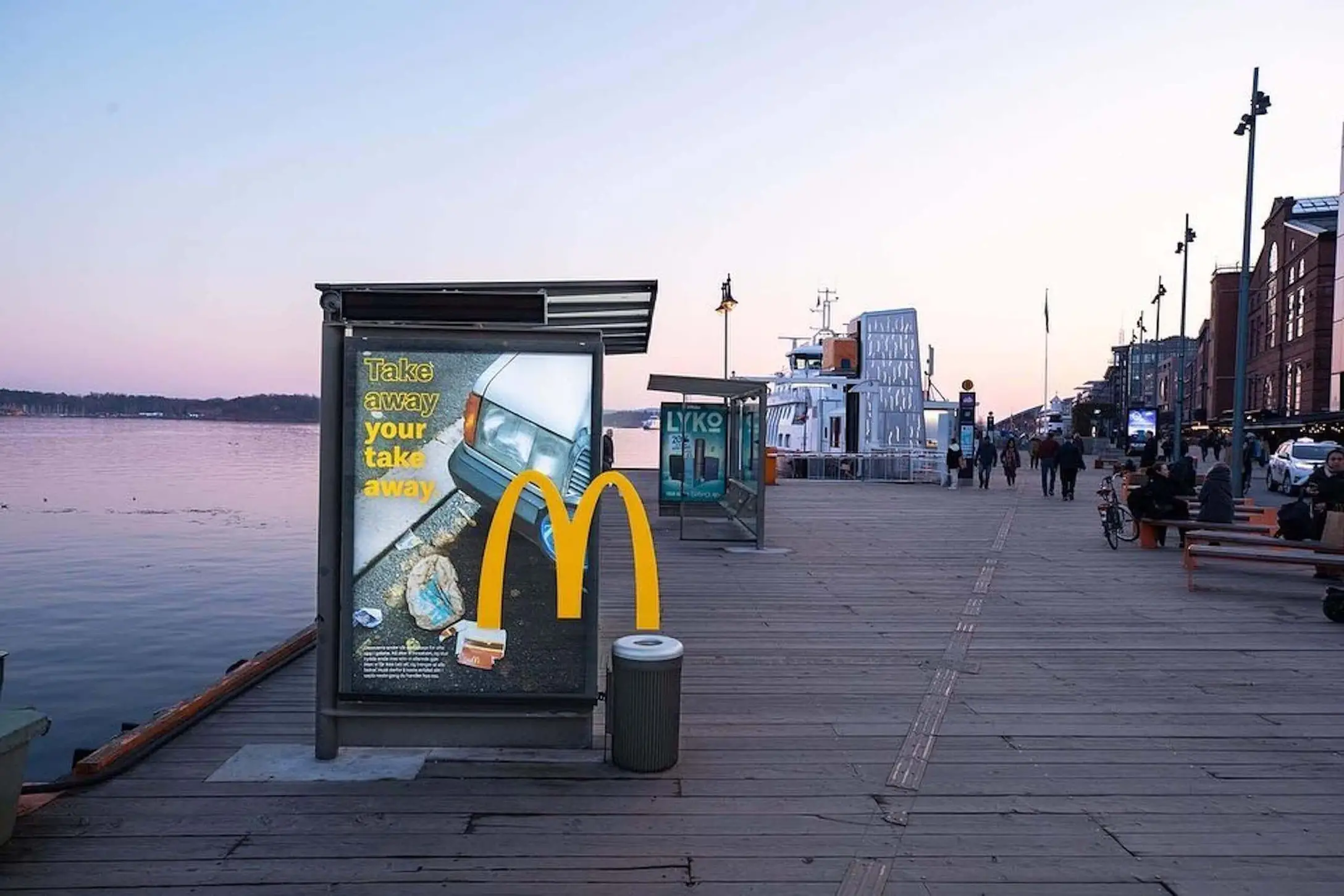
Book about three months ahead. Popular sites can book out 6–12 months in advance, and you’ll want roughly a month for creative and printing. Last-minute remnant inventory does come up before each posting period. This is where working with an agent pays off, because we hear about it first.
Compare formats using CPM, not the sticker price. Static boards look cheap per month, but you pay for every passing car whether they notice or not. In 2026, static OOH CPMs sit around $8–$15, while premium digital large-format runs roughly $25–$45. The digital premium buys deliver measured, verified audience. Which one is “cheaper” depends entirely on your audience and objective.
What drives billboard costs up or down
Location is the biggest factor. A site on the Bruce Highway approaching Brisbane can pass 160,000+ vehicles a day; a regional site in Mackay might see 3,500. You’re paying for eyeballs. But more traffic isn’t automatically better. A cheaper regional board can outperform a premium metro site if that’s where your customers actually are.
Size. Bigger boards cost more. A supersite delivers roughly double the impact of a classic 6x3m, and roughly double-plus the price.
Duration. Rates drop meaningfully on longer commitments. Locking in 6–12 months typically secures a significantly better period rate than a one-off booking, and long campaigns also tend to deliver better recall and ROI.
Demand and timing. Expect higher rates around Christmas, major events, and election periods. If your campaign is flexible, the quieter periods after New Year can be genuinely cheaper.
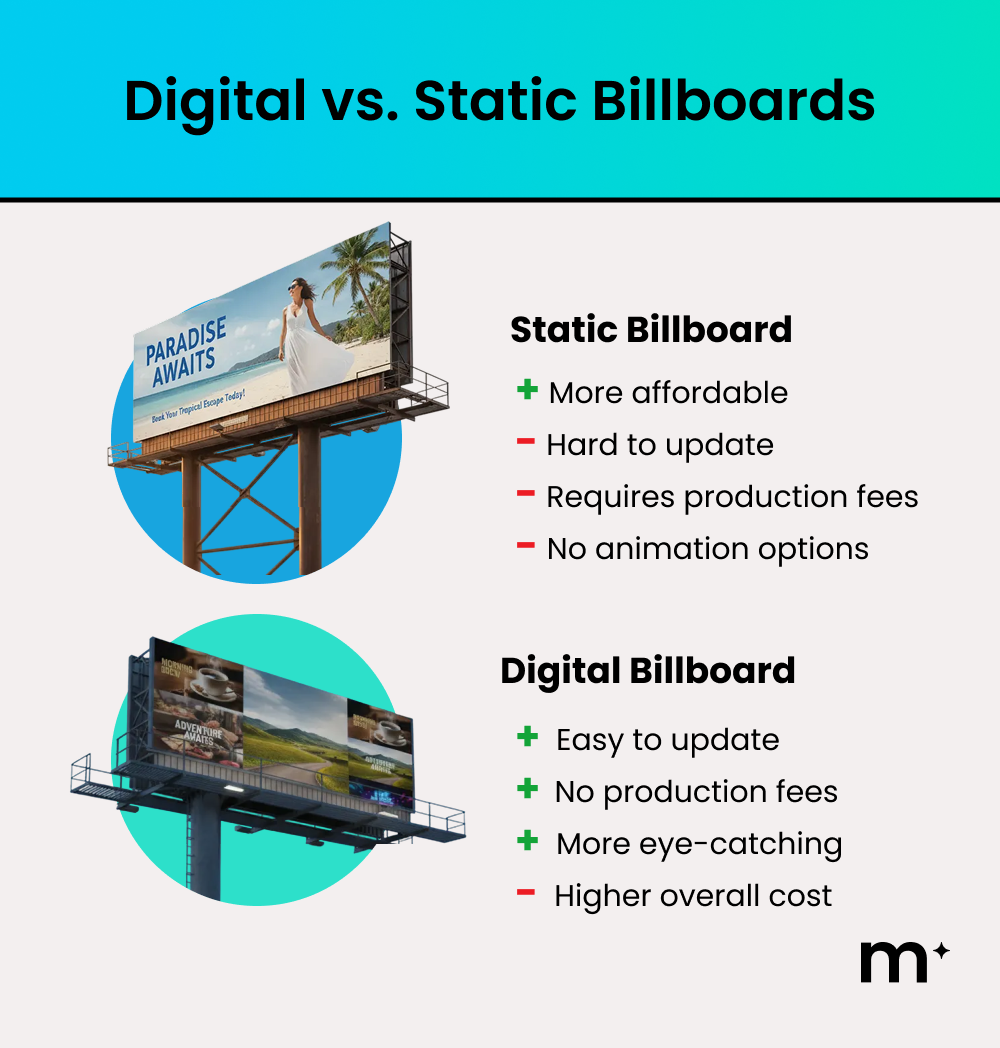
Static vs digital. Digital carries a 20–50% premium over a comparable static board in the same market, but eliminates print and install costs and lets you change creative instantly, run dayparted messages, or split-test.
Negotiation. Rate cards are opening positions. Right of Renewal (ROR) clauses, multi-site packages, and remnant inventory can substantially affect the final price. For example, we recently ran a $130K national campaign for appliance giant Midea, where negotiation alone stretched the budget to include significantly more sites and screenplays across Sydney, Melbourne, Brisbane and Perth than the media owners’ initial quotes covered.
Is billboard advertising still worth it in 2026?
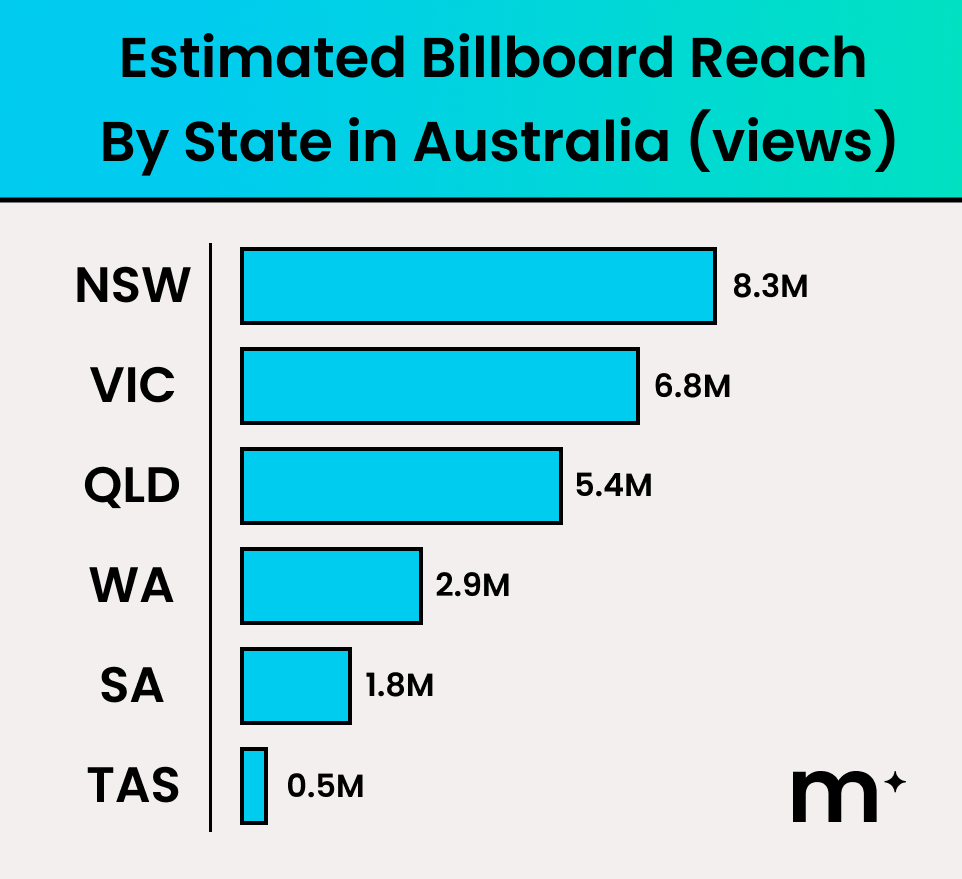
The numbers say yes — and the market is growing, not shrinking. Australian out-of-home reached $1.4 billion in net media revenue in 2025, up more than 11% on the prior year, and Q1 2026 added another $339 million. OMA data shows OOH now reaches 97% of Australians, and digital formats now account for over three-quarters of all OOH spend
The reasons businesses keep buying billboards haven’t changed: you can’t skip, block, or scroll past them; they run 24/7; and repeated exposure on a commuter route builds recall in a way most digital channels can’t. Roughly 88% of Australian consumers say brands they see on billboards stand out from competitors.
Where billboards fail is almost never the medium — it’s the creative or the location. A board your audience never drives past is wasted money at any price. [Optional: link to your “Best Billboard Campaigns” article here — strong internal link between your two billboard pieces.]
Standard billboard sizes and formats in Australia
Sizes are largely standardised by the Outdoor Media Association (OMA):
- Classic / 24-sheet (static): 6m x 3m (18m²) — the workhorse format on arterial roads
- Poster (static): 3m x 2.4m (7.2m²)
- Supersite (static): 12.66m x 3.35m — major roadways and transit corridors
- Landmark / Spectacular: 18.99m x 4.57m — the biggest standard format
- Digital: varies from street-level panels to landmark screens
- Street furniture: bus shelters, tram stops — usually sold in packs
- Airport: premium environments with long dwell times and affluent audiences
How to get a better deal on billboard advertising
Work with an agent. This isn’t a case where cutting out the middleman saves money, it’s usually the opposite. Agents know the real market rates (not the rate card), hold relationships with the media owners, hear about remnant inventory first, and know exactly how far each vendor can be pushed. Media owners also routinely offer agents rates they won’t offer a business walking in directly.
Ask about Right of Renewal (ROR), multi-site packages, and long-term rates — these three levers save clients more than anything else we do.
Talk to a billboard agent
If you’d like current availability and pricing for a specific area, get in touch — we’ll give you real numbers, not rate cards.
Phone: 0435 920 802
Email: omer@mindesigns.com.au
Frequently asked questions
How much does a billboard cost per month in Australia? Between $1,000 (small regional static) and $30,000+ (prime capital-city sites) per four-week period, plus around $500–$1,500 for printing and from $395 for installation on static sites.
How much does a billboard cost in Sydney? Prime Sydney locations average $15,000–$30,000 per four-week period for static, more for digital. Landmark sites exceed $100,000 per period.
Are digital billboards more expensive than static? Per period, yes — typically a 20–50% premium in the same market. But digital has no print or installation costs and minimum bookings of one week instead of four, so short campaigns are often cheaper on digital.
What’s the minimum booking period? Four weeks (one lunar period) for static billboards; usually one week for digital.
Can small businesses afford billboard advertising? Yes — regional static sites from around $1,000–$3,000 per month, or street furniture packs, put OOH within reach of most local businesses. The key is matching the site to where your customers actually are.
How far in advance should I book? Plan around three months out. High-demand sites can book out 6–12 months ahead, though last-minute remnant deals occasionally appear.